What if a single volcanic eruption could alter global climate patterns? Réunion Island’s ongoing lava spill is a stark reminder of how events in space and geology impact your world. With climate change already reshaping economies, this eruption could have ripple effects you can’t afford to ignore.
The Bottom Line Up Front

As lava from Réunion Island’s Piton de la Fournaise volcano reaches the Indian Ocean, this event underscores the powerful forces shaping our planet. The interplay between volcanic activity and oceanic environments is not just a geological curiosity; it has crucial implications for climate, ecosystems, and even global maritime economies. Understanding these dynamics matters right now because they can impact your job, your investments, and the natural resources we all rely on.
The latest eruption, which began in February 2026, is a reminder that volcanic islands are not just serene paradises. They are active geological hotspots, influencing ocean currents, weather patterns, and even carbon dioxide levels in the atmosphere. As someone who keeps an eye on how environmental changes affect the economy, it’s essential to grasp what this volcanic activity means for global trade and resource management.
Breaking It Down
Video: today: Live Footage lava eruption Piton de la Fournaise volcano burn main road and sea
Volcanic Activity and Its Immediate Effects
Starting February 13, 2026, Piton de la Fournaise began a series of eruptions characterized by dramatic lava fountains reaching heights of up to 50 meters. This sequence marked the volcano’s 151st documented eruption since the 17th century. The lava flow has advanced towards the eastern coastal areas, threatening local ecosystems and potentially affecting tourism, a major industry for the island. The island itself, located about 700 kilometers east of Madagascar, emerged from a volcanic hotspot approximately two million years ago, and it remains one of the most active volcanoes globally.
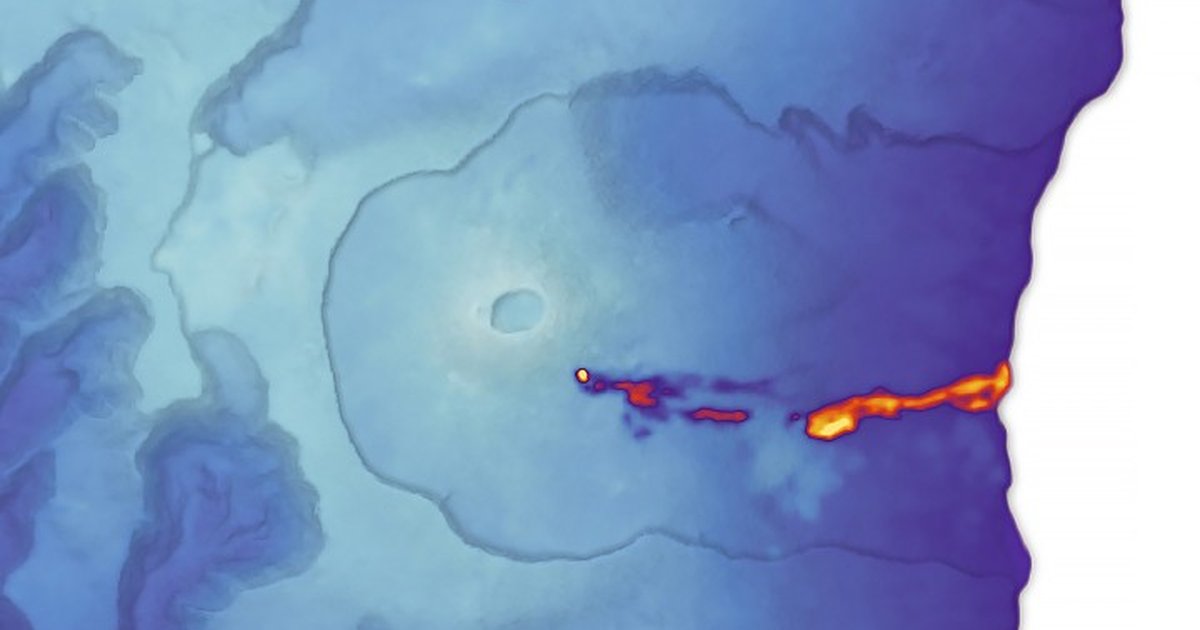
NASA’s satellite imagery captured the lava flow on March 28, 2026, showcasing the heat emanating from the active site. These thermal images reveal how vast areas of vegetation are being transformed into barren landscapes. The ongoing eruption is not merely a local phenomenon; it has broader implications for climate science and environmental monitoring. The heat released can influence localized weather patterns, which can subsequently affect agricultural output in surrounding regions.
Environmental and Economic Implications
The impact of volcanic eruptions extends beyond immediate geographical changes. The interaction of hot lava with ocean water can produce steam explosions and contribute to altered oceanic conditions. This has the potential to affect marine biodiversity and the fishing industries that depend on stable ocean temperatures. For the United States, where the fishing industry is worth over $200 billion, any significant changes in ocean ecosystems can ripple through the economy.
Moreover, the release of volcanic gases, including carbon dioxide and sulfur dioxide, plays a role in atmospheric chemistry. Increased carbon dioxide levels from volcanic eruptions can contribute to global warming. According to the NASA Earth Observatory, volcanic eruptions have historically contributed to short-term climate variations. Understanding these factors is crucial for policymakers as they navigate climate change mitigation and adaptation strategies.
The Historical Context of Volcanic Activity
This eruption at Piton de la Fournaise is not an isolated incident. Historical data shows a pattern of eruptions that often correlate with climatic events. For example, the 1991 eruption of Mount Pinatubo in the Philippines had a global cooling effect for several years due to the massive amounts of ash and sulfur dioxide released into the atmosphere. Similarly, the current situation at Réunion Island suggests a need to reevaluate how we understand volcanic activity in relation to climate science
As a comparison, the 2023 eruption of Kilauea in Hawaii also showcased the potential for volcanic activity to reshape not only local environments but global climatic conditions. The interplay of volcanic eruptions and climate can prompt shifts in policy responses, impacting everything from energy production to agricultural practices.
The American Stakes
The ongoing volcanic activity at Réunion Island has significant implications for American jobs and markets. For example, if local fisheries are disrupted, this could lead to increased prices for seafood in the U.S. market, affecting both consumers and businesses reliant on stable supplies. Additionally, fluctuations in global fish stocks can impact employment in sectors tied to fishing, processing, and distribution.
Politically, volcanic eruptions can provoke discussions around environmental regulations and disaster preparedness. As the Biden administration continues to push for climate action, events like this eruption can underscore the urgency of implementing sustainable practices to protect both ecosystems and economies. Increased public awareness of volcanic impacts may lead to a demand for stronger regulatory measures to manage environmental risks.
Companies with interests in renewable energy or coastal infrastructure may find opportunities to innovate in response to the changing environmental landscape. Conversely, industries reliant on stable ocean conditions, such as tourism and fishing, may face challenges. They must adapt to shifting realities brought about by natural disasters.
Your Action Plan
As an informed reader, here are concrete steps you can take in light of the ongoing volcanic activity at Réunion Island:
- Monitor seafood prices in U.S. markets. Understanding how volcanic activity impacts fishing can inform your purchasing decisions.
- Stay updated on environmental regulations that arise in response to natural disasters. This knowledge can help you navigate investments in affected industries.
- If you’re involved in agriculture, consider diversifying your crop options. Changes in climate patterns can affect crop yields and stability.
- Engage in advocacy for sustainable practices in industries that impact coastal regions. Supporting organizations focused on environmental protection can make a difference.
Numbers That Matter
- 150+ documented eruptions of Piton de la Fournaise since the 17th century.
- 700 kilometers: the distance of Réunion Island from Madagascar.
- $200 billion: the annual value of the U.S. fishing industry.
- 50 meters: the height of the lava fountains observed during the latest eruption.
- 2 million years: the age of Réunion Island as a result of volcanic activity.
The 90-Day Outlook
In the coming months, expect closer monitoring of volcanic activity from NASA and other meteorological organizations. The situation at Réunion Island will likely prompt increased research into how such eruptions influence oceanic and climate conditions. By the end of 2026, we may see new regulations or initiatives aimed at better preparing for the economic impacts of volcanic activity.
Marcus Osei’s Verdict
This event is reminiscent of the 1991 eruption of Mount Pinatubo in the Philippines, which drastically changed weather patterns and had lasting global implications. Just as Pinatubo’s ash cloud affected climate, Piton de la Fournaise’s lava could have unforeseen consequences on local weather and ecology.
My prediction is that by mid-2027, we will see significant shifts in both the landscape and policy responses on Réunion Island. Authorities must focus on emergency preparedness and environmental monitoring as lava flows continue to reshape the coastline.