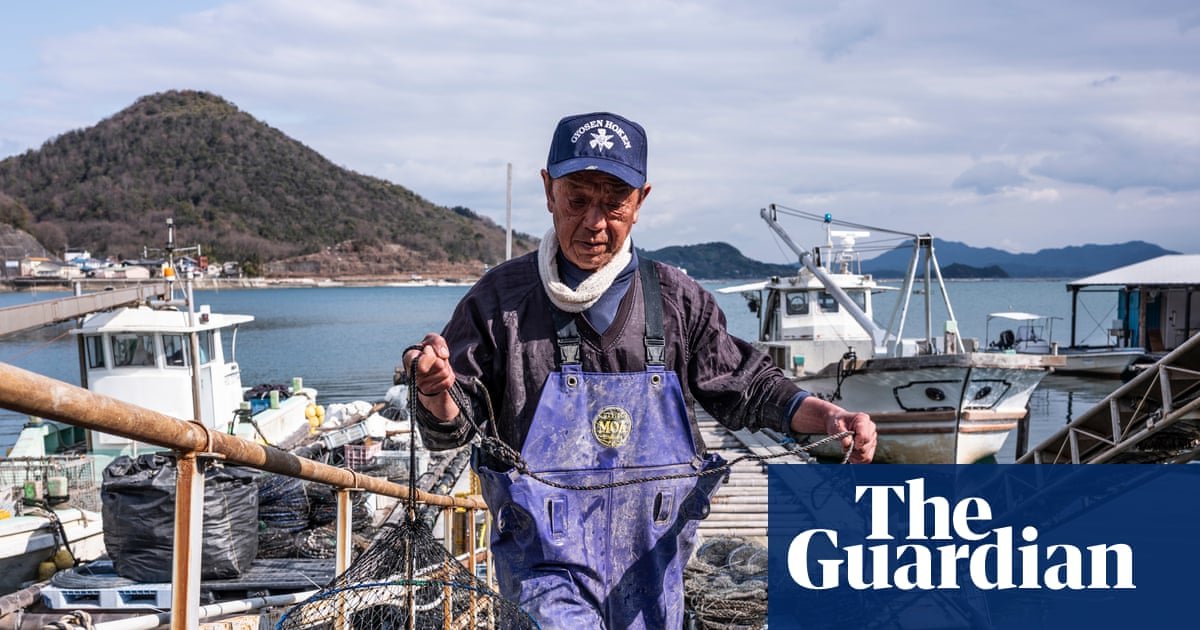
90% of Japan’s oysters are dying due to climate change. This crisis threatens not just local economies, but global seafood supply chains. If we ignore these warnings, our favorite seafood dishes could vanish from menus everywhere.
The Bottom Line Up Front
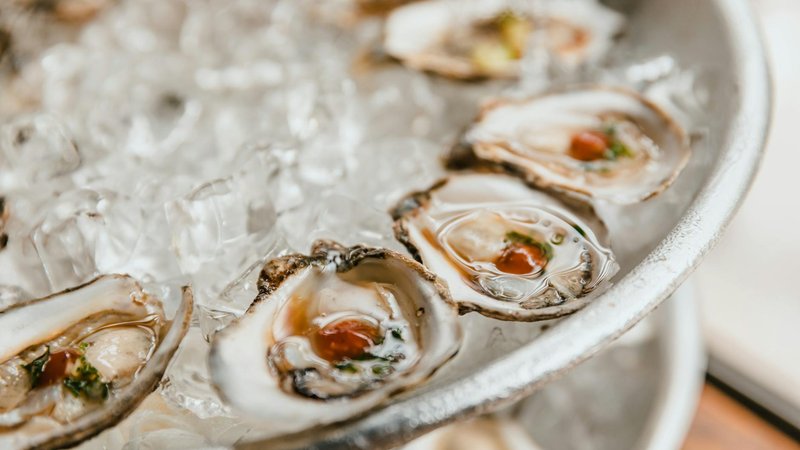
Climate change is killing Japan’s oysters at an alarming rate. Recent reports highlight that the oyster death rate in Hiroshima has surged to 90%. This crisis threatens not only local seafood markets but also raises significant concerns about global marine ecosystems and the ripple effects on economies, including the United States.
The implications extend beyond mere seafood consumption. As climate change alters marine environments, the U.S. needs to pay attention. American jobs, particularly in the fishing industry, as well as consumer prices for seafood, could feel the strain. The situation in Japan serves as a potent warning of what could lie ahead if proactive measures are not taken.
Breaking It Down
Video: Oysters were dying at an alarming rate and scientists blame climate change
Warming Waters in Hiroshima
In Hiroshima, Japan, the local oyster industry faces unprecedented challenges. The Kure oyster festival, a beloved local event, saw a significant drop in oyster sizes and quantities this year. Local chefs and consumers are noticing a stark difference, with people like Nobuyuki Miyaoka lamenting the smaller oysters compared to previous years. This decline is attributed directly to climate change, specifically rising sea temperatures.
Reports indicate that the warming seas have caused mass mortality among oysters, disrupting a trade that has long been a cornerstone of local culture and economy. The Hiroshima prefecture produces the bulk of Japan’s farmed oysters, making this situation critical for both local and national economies. If current trends continue, consumers can expect higher prices and limited availability of a staple seafood.
Impact on Marine Ecosystems
The environmental ramifications go beyond just oysters. Campaigners have pointed out that the overfishing of marine areas, even those designated as protected, has led to a stark decline in various marine species. For instance, the UK has seen trawlers catch over 1.3 million tonnes of fish from supposedly protected areas, indicating a grave oversight in regulatory practices. This trend underscores a global issue: climate change and human activities are pushing marine life to the brink.
In the context of climate change, the decline of oysters in Japan mirrors broader shifts in marine ecosystems worldwide. Many species are experiencing similar stressors due to rising ocean temperatures and acidification, leading to population declines. The loss of one species can create a domino effect, impacting entire ecosystems. For instance, oysters play a crucial role in maintaining water quality and providing habitat for other marine life.
A Historical Parallel
The current oyster crisis in Japan can be likened to past environmental disasters that stemmed from climate-related issues. For example, the collapse of the cod fishery off Newfoundland in the early 1990s serves as a stark reminder of how quickly an industry can unravel. Overfishing combined with changing ocean conditions led to a collapse that devastated local economies and livelihoods.
Historically, the American fishing industry has faced similar challenges. The decline of fish stocks along the U.S. East Coast has had profound impacts on jobs and communities. If the trend continues, we may find ourselves revisiting these painful lessons as climate change accelerates the decline of marine life, including economically important species like oysters.
The American Stakes
The oyster crisis in Japan holds significant implications for American jobs and markets. The U.S. seafood industry is already experiencing pressures from climate change. A drop in supply due to declining oyster populations elsewhere could drive up prices for consumers. If you are a seafood lover, your next meal might become more expensive.
The political landscape is also affected. As climate change continues to disrupt industries, lawmakers will face increasing pressure to implement regulations that protect marine life. This could lead to stricter fishing quotas and sustainability measures that impact how seafood is harvested. The U.S. government must take this opportunity to invest in climate resilience for coastal communities.
On the flip side, some companies may stand to gain from this crisis. Aquaculture businesses focusing on sustainable practices could see a rise in demand as consumers become more conscious of the environmental impact of their food choices. Companies that adapt to changing conditions and innovate will find opportunities in a challenging landscape.
Your Action Plan
What can you do in light of this crisis? Here are four concrete steps to consider:
1. **Stay Informed**: Follow developments in the seafood industry and the impacts of climate change. Knowledge is power, and understanding these dynamics can help you make informed choices.
2. **Support Sustainable Practices**: Choose to buy seafood from sustainable sources. Look for certifications like the Marine Stewardship Council (MSC) label, which indicates responsible fishing practices.
3. **Advocate for Policy Change**: Support policies that aim to protect marine ecosystems. Write to your local representatives about the importance of sustainable fisheries and climate action.
4. **Engage in Community Initiatives**: Participate in local clean-up efforts or educational programs focused on marine conservation. Every action counts toward protecting our oceans.
Numbers That Matter
- 90%: The reported death rate of oysters in Hiroshima due to rising sea temperatures.
- 1.3 million tonnes: The amount of fish caught by trawlers in supposedly protected UK waters over four years.
- 40%: The proportion of England’s seas designated as marine protected areas, many of which are under threat.
- $2.3 billion: Estimated economic contributions of the U.S. seafood industry in 2021.
- 80%: The estimated percentage of marine species impacted by climate change according to various studies.
- 12 months: The timeframe in which experts predict further drastic declines in marine biodiversity if current trends continue.
The 90-Day Outlook
In the next three months, watch for potential policy shifts aimed at marine conservation. With growing public awareness of climate change impacts, lawmakers may introduce new regulations on fishing practices or funding for aquaculture initiatives. Expect heightened media coverage, as the plight of oysters could serve as a rallying point for broader climate action. The crisis in Japan could be a critical moment that influences American seafood markets and climate policies alike.
Marcus Osei’s Verdict
In my view, climate change is no longer a distant threat; it’s here and affecting your plate. If Japan doesn’t implement robust climate adaptation strategies and sustainable practices, we could see a collapse of its oyster market within 12 months. The future of this iconic delicacy hinges on immediate action by local authorities and consumers alike.