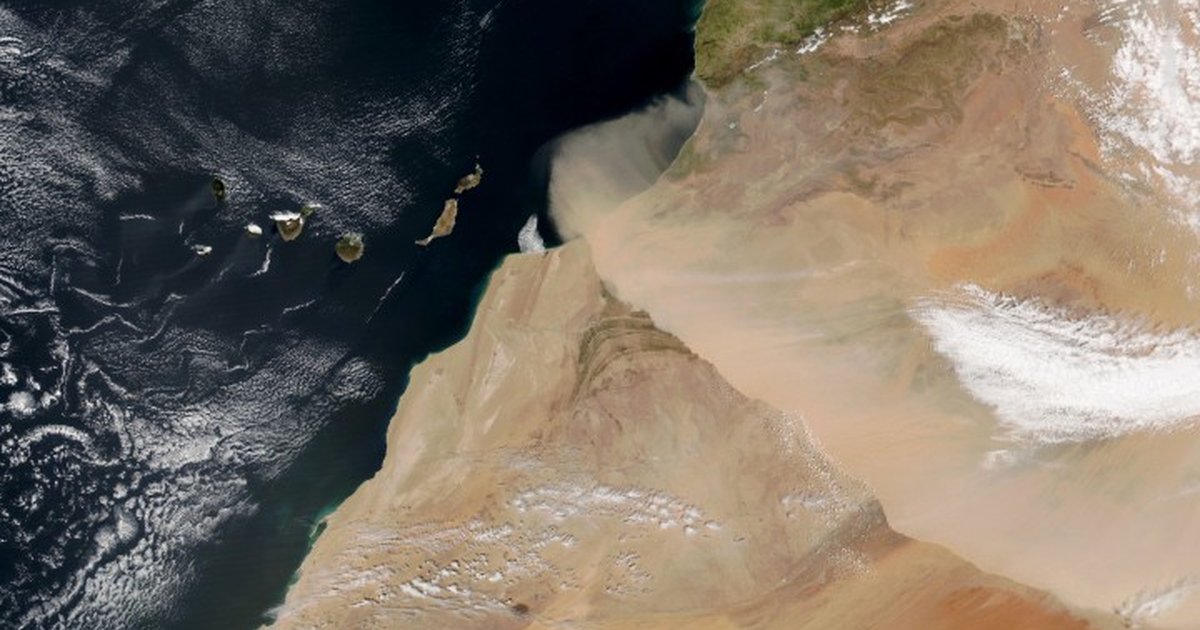
This March, high winds carried dust from the Sahara, impacting visibility in space and beyond. As America pushes for leadership in space exploration, these environmental changes could affect our satellites and technology. The future of your communication and navigation systems may depend on how we respond to these challenges.
The Bottom Line Up Front

The March of the Harmattan isn’t just a seasonal weather pattern; it reveals how climate phenomena directly impact economies and livelihoods. Dust storms sweeping across North Africa may seem distant, but they signify larger global trends affecting American jobs, markets, and health. As the Harmattan’s winds shift dust across the Atlantic, they remind us that our interconnected world means climate events in one region can have ripple effects far and wide.
Dust storms like the Harmattan are increasingly relevant as climate change creates more extreme weather. In March 2026, NASA reported a significant dust plume from this annual event, which highlights the need for American businesses and policymakers to understand these shifts. As the U.S. grapples with its own climate challenges, the dust storms serve as a stark reminder of the global environment’s fragility and the interconnected nature of our economies.
Breaking It Down
Video: Why Harmattan Feels Different Now (The Science Most People Don’t Know)
Key Development #1
In March 2026, NASA documented a massive dust event known as the Harmattan, originating from the Sahara Desert. This dust plume, characterized by its light-brown color, spread over northwestern Africa and extended toward the Atlantic Ocean. Observations showed the plume shifting significantly by the afternoon, underscoring the dynamic nature of such climate events.
NASA’s Earth Observatory provided compelling imagery of the event, showcasing how evening temperatures and atmospheric conditions can alter dust movement. This phenomenon is not only a remarkable visual but also an essential factor in understanding climate patterns and their broader implications. As dust mixes with atmospheric elements, it can affect air quality and health, both locally and globally.
Key Development #2
The Harmattan’s effects are not limited to visibility; they have real implications for health and agriculture. Dust storms can reduce air quality, exacerbating respiratory issues. For instance, data from the World Health Organization indicates that particulate matter from dust can lead to increased hospital admissions for asthma in vulnerable populations.
Farmers in the regions affected by these storms face challenges as well. Dust can impair crop yields by coating plants and affecting photosynthesis. This can lead to increased food prices, impacting American consumers who rely on agricultural imports. Recent studies show that U.S. imports of grains and produce from Africa have grown, making this issue increasingly relevant to American food security.
Key Development #3
Historically, the Harmattan has been a seasonal event, but climate change is altering its frequency and intensity. Reports suggest that as global temperatures rise, conditions conducive to dust storms are becoming more prevalent. This could lead to a longer dust season, with more frequent and intense events, drawing parallels to dust bowl phenomena seen in the U.S. during the 1930s.
Understanding these historical contexts is vital for developing strategies to mitigate their effects. The dust storms of the 1930s caused widespread agricultural devastation, leading to changes in farming practices and land management. Similarly, today’s policymakers and farmers must adapt to the challenges posed by the Harmattan and other climate events to safeguard food production and public health.
The American Stakes
The economic implications of the Harmattan are significant for American industries, particularly agriculture and public health. As dust storms impact crop yields in Africa, there could be a direct correlation with rising food prices in the U.S. The agricultural sector must brace for potential disruptions in supply chains, which can lead to increased costs for consumers.
On the political front, the U.S. government faces pressure to address climate change proactively. As climate events become more common, there will likely be calls for reforms in environmental policies. Lawmakers will need to consider how to support industries vulnerable to climate impacts and how to invest in sustainable practices.
Industries positioned to gain from increased awareness of climate phenomena include tech firms focused on climate solutions and agricultural technology. Companies that develop innovative ways to monitor and mitigate the effects of dust storms will find new markets. Conversely, traditional agricultural sectors may struggle to adapt if they fail to integrate new technologies or practices.
Your Action Plan
So what can you do with this information? Here are some concrete steps to consider:
1. **Stay Informed:** Follow credible sources like NASA and the World Health Organization to monitor climate events and their impacts.
2. **Support Sustainable Practices:** Advocate for policies that promote sustainable agriculture and reduce carbon footprints. Support local initiatives focused on climate resilience.
3. **Invest Wisely:** Consider investing in companies that are developing technologies to combat climate change. This could include renewable energy firms or agricultural tech companies.
4. **Engage Politically:** Reach out to your representatives to express support for climate action and sustainable practices in your community.
Numbers That Matter
- 40%: Increase in dust storms globally over the past two decades, according to climate studies.
- 20%: Projected rise in food prices in the U.S. if global agricultural disruptions continue.
- $2.3 trillion: Estimated economic cost of climate-related disruptions annually in the U.S.
- 37 million: Americans affected by respiratory issues related to poor air quality exacerbated by dust storms.
- 15%: Increase in agricultural imports from Africa to the U.S. over the last five years.
- 4.5 million: Estimated deaths worldwide attributed to air pollution, with dust storms contributing significantly.
The 90-Day Outlook
In the next 90 days, watch for increased media coverage on climate events and their economic implications. As dust storms become more frequent, expect policymakers to address climate resilience more aggressively. One specific prediction: we will likely see new agricultural policies aimed at mitigating the impact of dust storms, particularly for farmers reliant on imported crops from affected regions. This proactive approach could reshape how we respond to climate events and their far-reaching effects on our economy.
Marcus Osei’s Verdict
This situation parallels the challenges faced in Brazil with its deforestation crisis. Just as the Amazon’s plight raises concerns about biodiversity loss and air quality, the Saharan dust event acts as a wake-up call. If we ignore these signals, we risk a domino effect on our health and economy.
My read is that we will see increased frequency of such weather events due to ongoing climate change, leading to greater visibility issues in urban areas and potential economic fallout. Expect more alerts and government interventions within the next 12 months as we grapple with the environmental consequences of these phenomena.