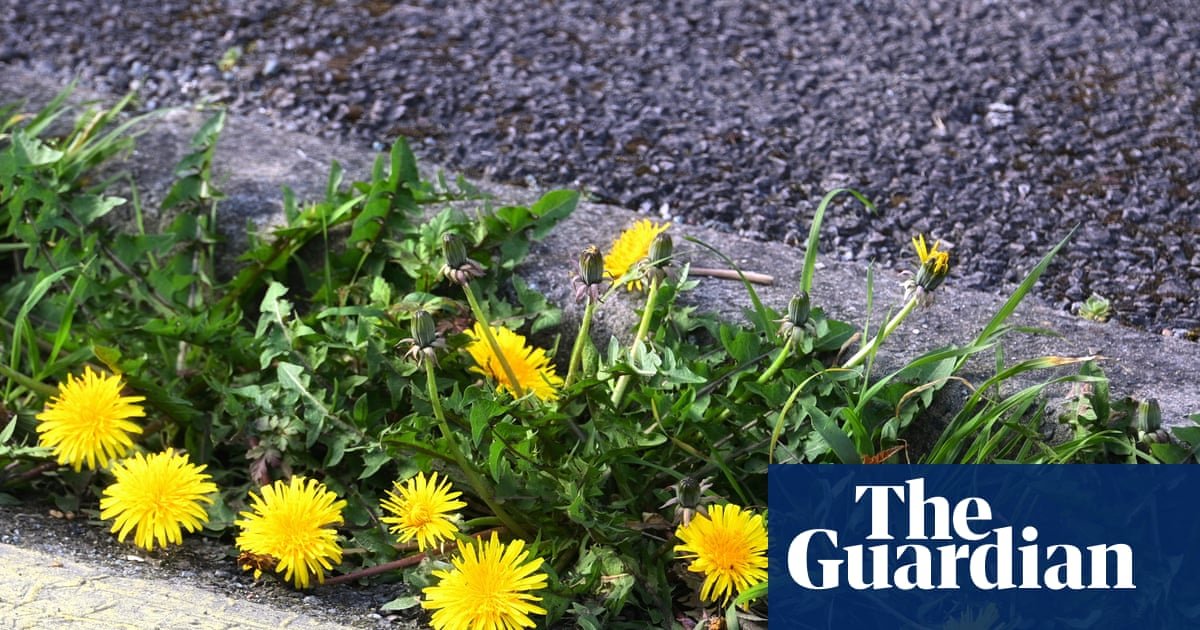
What happens when climate change sparks a revolution in our urban landscapes? As cities grapple with rising temperatures, nature adapts—and so must we. The resilience of unexpected heroes like dandelions could reshape our relationship with the environment.
Why This Story Matters Right Now
The rising visibility of climate change impacts on local ecosystems should alarm every American. Our environment is changing rapidly, impacting everything from agriculture to urban living. These changes not only threaten biodiversity but also your job, your health, and your quality of life.
The urgency is underscored by recent studies showing significant shifts in local flora and fauna due to climate change. For instance, dandelions are blooming earlier than ever in urban settings, showcasing how adaptive nature can be amidst human disruption. This phenomenon is not just a curiosity; it’s a stark reminder of our environmental responsibilities and the changes we must embrace.
The Full Story, Explained
Video: Dandelions – An Undervalued and Underrated Wildflower
The Background
Climate change has been a looming threat for decades, but its ramifications are becoming more pronounced. The IPCC’s sixth assessment report, released in early 2023, highlighted that human activities have already warmed the planet by 1.1 degrees Celsius above pre-industrial levels. This increase has led to more extreme weather events, rising sea levels, and shifts in ecosystems worldwide.
In the U.S., the environmental landscape has also been affected by policy changes. The Biden administration has prioritized climate action, investing over $500 billion in renewable energy and sustainability initiatives. However, the rollback of regulations by previous administrations created an environment of uncertainty, hindering progress until recently.
Urban areas are especially vulnerable to these changes. The National Oceanic and Atmospheric Administration (NOAA) reported that cities are warming at a rate 1.5 times that of rural areas due to the urban heat island effect. This reality forces Americans to confront the consequences of climate change more directly.
What Just Changed
Recent observations in urban centers like Stoke-on-Trent, UK, reveal an unexpected resilience in local ecosystems. In April 2026, a report from The Guardian described how dandelions, often dismissed as weeds, are thriving in neglected spaces. These resilient plants symbolize nature’s adaptability in an era of climate change.
The ecological significance of dandelions extends beyond aesthetics. Their early blooms provide essential food for pollinators like bees, which are critical for many crops. According to studies, an estimated one-third of the food Americans consume depends on pollinators. Hence, dandelions play a pivotal role in our agricultural ecosystem, making their presence more than just a minor detail.
This newfound attention on urban flora like dandelions urges Americans to reevaluate their relationship with nature. Instead of viewing biodiversity and “weeds” as nuisances, we should recognize their ecological roles.
The Reaction
Responses from environmentalists highlight a growing awareness of the importance of urban biodiversity. Experts argue that cities must prioritize green spaces. The American Society of Landscape Architects has advocated for urban planning that incorporates native plants. This approach supports local ecosystems and enhances the aesthetic appeal of cities.
Similarly, public reactions have ranged from curiosity to concern. Many Americans express a desire for greener urban environments. Polls indicate that 65% of Americans believe local governments should invest in urban gardens and green spaces. At the same time, skepticism remains about whether these initiatives can effectively combat climate change.
This ongoing dialogue reflects a broader trend. As citizens become more engaged with environmental issues, they push for accountability from their local governments. The demand for sustainable practices is growing, driven by a generational shift towards environmental responsibility.
The Hidden Angle
Mainstream narratives often overlook the role of small, seemingly insignificant plants in the fight against climate change. The focus tends to remain on grand strategies and large-scale initiatives. However, the story of the dandelion speaks to the power of local actions and the resilience of nature.
Contrary to popular belief, these small plants are not just weeds; they are essential contributors to urban biodiversity. Their ability to thrive in tough conditions reflects the need for adaptive strategies in urban planning. Ignoring these details means missing out on practical solutions that enhance our urban environments.
Moreover, the shift in perspective towards plants like dandelions may serve as a catalyst for broader ecological awareness. Recognizing the interconnectedness of urban flora and human well-being is crucial for tackling climate change. This understanding can foster a culture of appreciation for nature, even in its most unrefined forms.
Impact Scorecard
- Winners: Urban gardeners, local pollinators, and environmental advocacy groups benefit from increased awareness of biodiversity.
- Losers: Chemical herbicide manufacturers face challenges as more people embrace organic gardening methods.
- Wildcards: Changes in local policies can either hinder or help urban biodiversity initiatives. Public engagement can sway these decisions.
- Timeline: Watch for key local government meetings over the next three months, where green initiatives may be discussed.
What You Should Do
Take action by advocating for local green initiatives in your community. Attend city council meetings to voice support for urban gardening programs. If you’re a homeowner or renter, consider planting native species that thrive in your area. This not only supports local ecosystems but can also enhance the value of your property.
Additionally, educate yourself and others about the importance of biodiversity in urban settings. Support local farmers’ markets and community-supported agriculture (CSA) programs that prioritize sustainable practices. Your purchasing decisions can drive demand for environmentally-friendly products.
The Verdict
The resilience of plants like dandelions serves as a powerful reminder of nature’s adaptability amidst climate change. As Americans, we must recognize our role in fostering this resilience through sustainable practices. The urgency of this moment calls for immediate action, not just on a personal level but at the community and policy levels.
By the end of 2026, I predict a significant shift in urban planning policies favoring biodiversity. Cities will increasingly incorporate green spaces into their designs, reshaping urban living for a more sustainable future. This change won’t just benefit the environment; it will enhance overall quality of life for all citizens.
By embracing these small changes, we can create a ripple effect that fosters a healthier planet for future generations. The dandelion’s story is just the beginning; it’s up to us to ensure its legacy continues.
IPCC’s Sixth Assessment Report highlights the urgency of climate change impacts. NOAA provides valuable resources for understanding climate challenges. For more on urban biodiversity, see the American Society of Landscape Architects.
Together, we can make a difference. Let’s not just delight in the dandelion; let’s learn from it.
Marcus Osei’s Verdict
Looking internationally, countries like the Netherlands effectively integrate wildflowers into urban landscapes. They recognize that biodiversity strengthens communities, both socially and environmentally. This approach contrasts sharply with the U.S., where we often prioritize manicured lawns over native flora.
I predict a growing movement for grassroots environmental appreciation will take root by mid-2027. As more people resonate with the dandelion’s story, we may see a shift in public sentiment towards supporting local biodiversity initiatives.