What if the next giant leap for mankind reshapes the $400 billion space industry? NASA’s Artemis 2 mission is set to reignite American leadership in space exploration. Your investment in this future could hinge on how we navigate this pivotal moment.
The Bottom Line Up Front

The Artemis II mission is a pivotal moment for NASA and the American space industry. It marks the first crewed lunar flyby since the Apollo program, set to enhance our understanding of deep space travel. This mission is not just about exploration; it’s a demonstration of technological prowess and a critical step toward sustainable human presence on the Moon, and eventually Mars.
As the U.S. faces increasing competition from countries like China in space exploration, Artemis II represents a chance to reaffirm American leadership in space. The mission aims to generate valuable data on the Moon’s environment, crucial for future missions and planetary defense strategies.
Breaking It Down
Video: Artemis II countdown & launch: Full liftoff video
Key Development #1: Artemis II Launch and Objectives
NASA’s Artemis II mission was officially scheduled to launch on November 2024. This mission will send a crew of four astronauts around the Moon, including NASA’s Reid Wiseman, Victor Glover, Christina Koch, and CSA’s Jeremy Hansen. The primary goal is to test the Orion spacecraft and its systems in a deep space environment, vital for the upcoming Artemis III mission, which aims to land humans on the Moon.
During this mission, astronauts will collect data on the spacecraft’s performance and conduct tests on life support systems, navigation, and communication. These tests are essential for ensuring the safety and success of future lunar landings and establishing a sustainable lunar presence, as outlined in NASA’s Artemis program objectives.
Key Development #2: The Role of Industry Partners
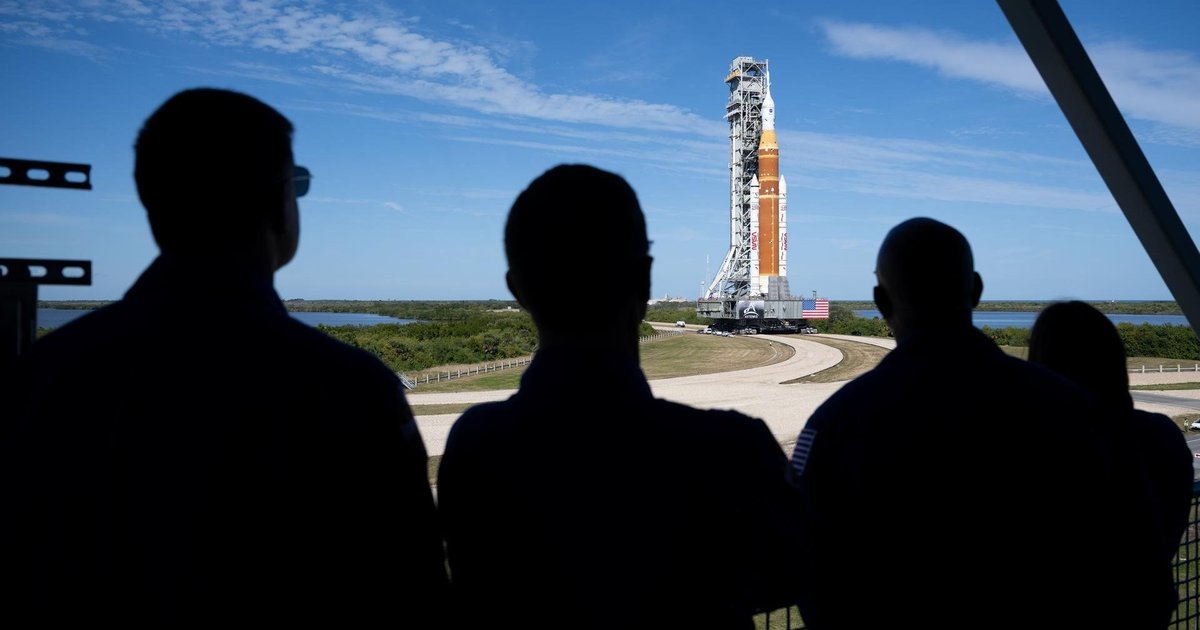
While SpaceX and Blue Origin dominate headlines in the commercial space sector, traditional aerospace companies remain integral to Artemis II’s success. Boeing and Lockheed Martin are crucial players, having developed the Space Launch System (SLS) and the Orion spacecraft, respectively. Their involvement underscores the importance of established aerospace firms in the broader landscape of space exploration.
The collaboration between NASA and these companies reflects a hybrid approach to space exploration, blending government oversight with private-sector innovation. This partnership not only enhances mission capabilities but also supports thousands of American jobs in aerospace manufacturing and engineering.
Key Development #3: Strategic Competition with China
Artemis II is taking place against a backdrop of fierce global competition in space exploration, particularly with China’s ambitious lunar program. In recent years, China has made significant strides in space technology, including the successful landing of its Chang’e missions on the Moon. As reported, the Chinese government aims to establish a permanent lunar base by the 2030s, posing a direct challenge to American ambitions.
This geopolitical landscape adds urgency to Artemis II and subsequent missions. The U.S. must not only focus on technological advancements but also on international collaboration and competition strategies. Without decisive action, America risks falling behind in the new space race.
The American Stakes
Jobs in the space industry are at the forefront of the stakes surrounding Artemis II. The Artemis program is projected to create thousands of American jobs in engineering, manufacturing, and technology sectors. According to NASA estimates, the Artemis program could generate around 69,000 jobs directly and indirectly, boosting local economies in states like Alabama, Florida, and Texas where much of the work is concentrated.
Politically, Artemis II represents a significant investment in the U.S. space program, with funding allocated through the 2022 bipartisan infrastructure law. This funding not only supports technological development but also aims to inspire public interest and support for NASA’s initiatives. As global attention turns to space exploration, the political implications could influence funding and policy decisions in the coming years.
Companies like SpaceX and Blue Origin stand to gain from the Artemis program’s momentum. Their ongoing projects, such as the Starship and New Glenn rockets, are positioned to benefit from increased government contracts and partnerships. In contrast, companies that do not adapt to the evolving space landscape may struggle to compete, highlighting the need for innovation and agility in the industry.
Your Action Plan
For Americans interested in the space industry and its implications for the economy, here are actionable steps to consider:
- Stay informed about NASA’s Artemis missions through their official website and news outlets. Understanding the missions’ developments can provide insight into job opportunities in aerospace.
- Support policies that promote funding for space exploration. Advocating for continued bipartisan support can ensure the longevity of NASA and its missions.
- Monitor the performance of private aerospace companies. Companies like SpaceX and Boeing are crucial players in the U.S. space industry. Their successes or failures can affect job markets and technological advancements.
- Engage in educational programs or initiatives related to STEM (Science, Technology, Engineering, and Mathematics). The future of the space industry depends on a knowledgeable workforce.
Numbers That Matter
- 69,000: Estimated number of jobs created by the Artemis program in the U.S.
- 4: Number of astronauts on the Artemis II mission, set to launch in November 2024.
- 2030s: Target timeline for China to establish a permanent lunar base, increasing competition with the U.S.
- $2.5 billion: Estimated investment in the Artemis program through 2025, with bipartisan support.
- 50: Years since the last crewed lunar mission during the Apollo program, highlighting the significance of Artemis II.
The 90-Day Outlook
In the next 90 days, attention will focus on the final preparations for Artemis II’s launch. Anticipate updates on crew training and technical assessments. As the launch approaches, expect increased media coverage and public interest, which could influence funding discussions in Congress. By mid-2026, the focus will shift to how the data gathered from this mission will inform future lunar landings and potential Mars missions.
Marcus Osei’s Verdict
I predict that within 18 months, we will see a shift in both funding and public support for NASA’s initiatives as results from Artemis 2 come in. The mission’s success could redefine the framework for international cooperation in space and set the stage for increased competition in the space industry.