What happens when a tech giant like Apple shifts focus away from high-end computing? This move signals a changing landscape in technology, where smartphones dominate. Your next smartphone review might just reveal where innovation is heading — and what it means for your devices.
Why This Story Matters Right Now

Apple’s decision to discontinue the Mac Pro is a pivotal moment for American consumers and tech enthusiasts alike. This move signals a major shift in how technology companies approach high-end computing solutions. If you’re invested in tech or simply rely on powerful machines for work or creativity, this directly impacts your options and budget.
The discontinuation comes at a time when many professionals are looking for robust desktop solutions. The Mac Pro was once a premier option for creatives and engineers. Now, its exit raises questions about the future of high-performance desktops in an era dominated by laptops and mobile devices.
The Full Story, Explained
Video: How to Fix MacBook Stuck on Apple Logo?
The Background
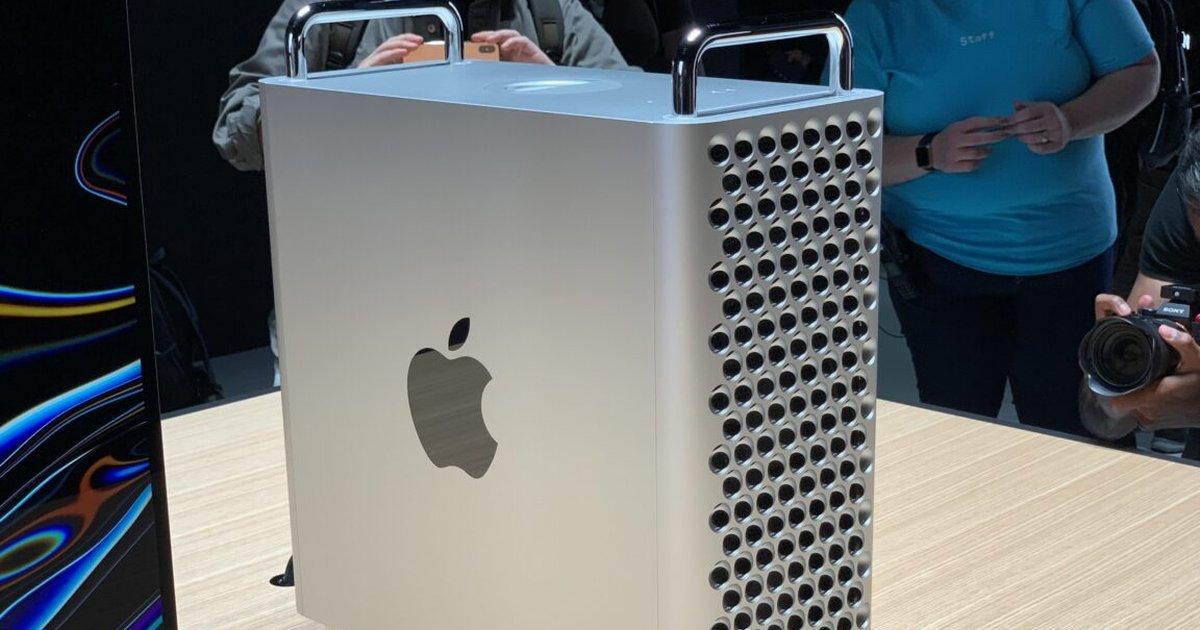
The journey of the Mac Pro has been tumultuous since its inception over a decade ago. Initially, Apple launched the Mac Pro in 2006, positioning it as a high-performance workstation for professionals. However, the introduction of the cylindrical “trash can” design in 2013 was met with mixed reviews due to its limited upgradeability and cooling issues.
In 2019, Apple attempted to revive the Mac Pro with a modular design, allowing users to upgrade components more easily. Despite this effort, the product struggled to maintain its relevance in a rapidly evolving tech landscape. Reports surfaced in late 2025 indicating that the Mac Pro was once again “on the back burner,” hinting at a lack of future updates.
By mid-2023, Apple released the M2 Ultra model, which many hoped would reinvigorate interest. Instead, it became clear that the desktop was now out of sync with Apple’s focus on mobile and integrated solutions. The decision to cease production was announced in March 2026, confirming that no further models are planned for the future.
What Just Changed
The official confirmation of the Mac Pro’s discontinuation was made public on March 26, 2026. Apple stated that the last iteration, the M2 Ultra, would be the final version. This announcement underscores a larger trend in the tech industry — the movement towards compact and portable devices, which are increasingly favored over traditional desktops.
Financially, this shift reflects a growing market preference. In 2025, desktop sales accounted for only 15% of the overall PC market, down from 27% in 2010. As more users opt for laptops and tablets, high-end desktops like the Mac Pro struggle to justify their steep price tags, which often exceed $6,000.
Moreover, Apple’s strategy has increasingly leaned towards integrating its hardware and software ecosystems. With the Mac Pro discontinued, the company can focus on enhancing its laptop line, which has seen significant sales growth. The future lies in devices like the MacBook Pro, which can deliver high performance without the bulk of a desktop.
The Reaction
Industry experts quickly reacted to Apple’s announcement. Tech analysts noted that this decision aligns with broader market trends. According to a report from Gartner, worldwide PC shipments fell by 10% in 2025, highlighting a clear consumer shift towards more versatile devices.
Moreover, existing Mac Pro users expressed disappointment. Many had invested heavily in the ecosystem, hoping for future upgrades. As one user commented, “This feels like a betrayal after investing so much in a platform that now seems obsolete.”
Market analysts expect sales of Apple’s laptops to increase even further as former Mac Pro users seek alternatives. The shift may also open up opportunities for competitors like Dell and Lenovo, who continue to offer robust workstation options.
The Hidden Angle
While mainstream coverage focuses on the discontinuation itself, what’s often overlooked is the broader implication for the professional computing landscape. The Mac Pro’s demise reflects a valuable lesson about consumer preferences in technology. High-performance desktops are being replaced by more versatile devices that can meet professional demands.
Another angle worth exploring is the environmental impact of this decision. As companies become more focused on sustainability, Apple’s pivot away from large, power-hungry desktops aligns with green technology trends. More consumers are seeking energy-efficient devices, and Apple’s shift could encourage other companies to reevaluate their product lines as well.
Impact Scorecard
- Winners: Apple’s laptop division, competitors in the high-end laptop market, consumers seeking portable performance.
- Losers: Mac Pro users, traditional desktop manufacturers, professionals reliant on high-end workstations.
- Wildcards: Economic shifts affecting consumer spending, potential innovations in laptop technology, regulatory changes impacting energy consumption standards.
- Timeline: Watch for further announcements from Apple regarding its laptop lineup in the next 60 days; also, keep an eye on competitors’ responses.
What You Should Do
If you rely on high-performance desktops for your work, now is the time to reassess your options. Consider whether a powerful laptop could meet your needs. The technology available in laptops today is often sufficient for demanding tasks, including video editing and software development.
Additionally, if you’re a current Mac Pro user, evaluate your workflow to see if switching to a laptop could enhance your productivity. With advancements in processing power, many laptops now offer performance levels that were once exclusive to desktops.
Lastly, hold off on investing in any remaining Mac Pro models. As Apple pivots away from this segment, the resale value of these machines may diminish further. Instead, explore alternative configurations in the MacBook Pro line that offer similar capabilities.
The Verdict
The discontinuation of the Mac Pro is more than just the end of a product; it marks a significant turning point in the technology landscape. It signals a broader shift towards portable computing solutions. Apple’s decision illustrates that even established giants must adapt to changing consumer preferences.
By the end of 2026, I predict we will see a greater emphasis on integrated devices capable of handling demanding tasks, leading to a decline in traditional desktops. Companies that fail to innovate in this space may find themselves left behind as the market continues to evolve.
Marcus Osei’s Verdict
This situation mirrors trends seen in the automotive industry, where luxury brands like Mercedes-Benz are pivoting to electric vehicles while phasing out traditional combustion engines. A similar pattern is emerging in tech; companies prioritize mainstream products that generate sales over specialized offerings that serve smaller markets.
My prediction is clear: by mid-2027, we will see more evidence of Apple focusing solely on its high-margin consumer products, leaving professionals to seek alternative solutions. If history is any guide, Apple’s legacy in professional hardware may be winding down.