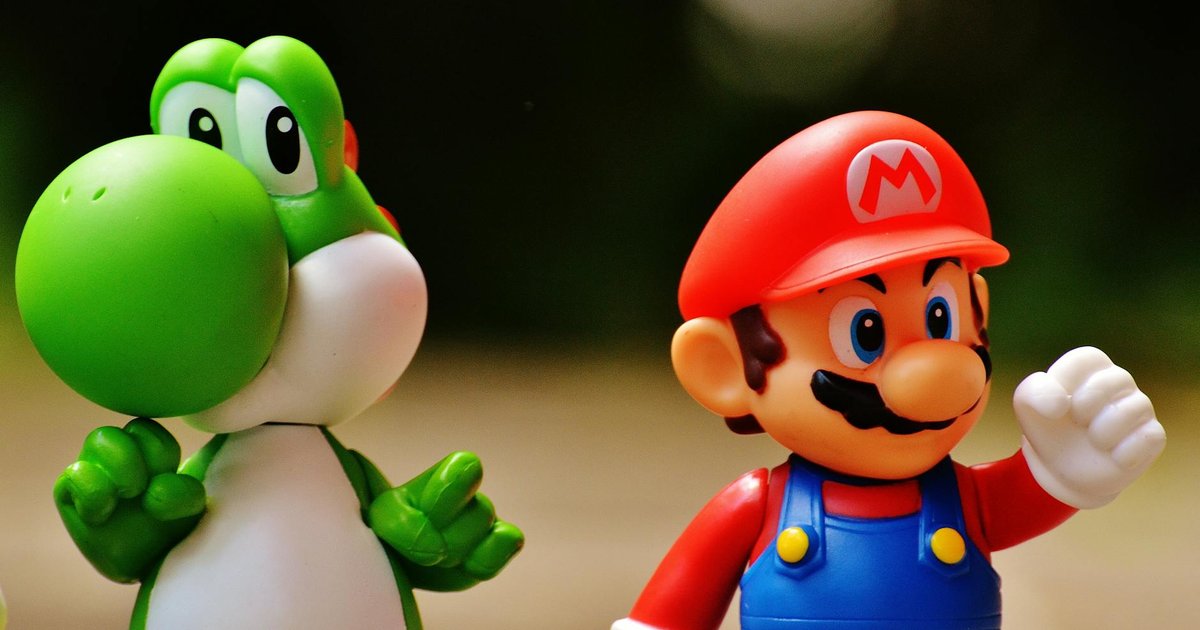
What happens when a beloved video game franchise hits the big screen and critics tear it apart? The Super Mario Galaxy Movie is raking in box office bucks, but early reviews paint a grim picture. For millions of fans, this film’s success or failure could redefine how Hollywood treats video game adaptations.
Why This Story Matters Right Now
Video game adaptations have historically struggled, but the release of The Super Mario Galaxy Movie marks a pivotal moment. This film is poised to either breathe new life into video game storytelling or reinforce the idea that these adaptations rarely succeed. For American audiences, the stakes are high: the success or failure of this movie could either herald a new era for video game films or lead to further skepticism about the genre.
Why does this matter now? The film’s release coincides with a growing trend in Hollywood to adapt video games into major motion pictures. With over 3 billion gamers worldwide, the potential for financial success is massive. However, critics are divided, and the outcome could influence future investments in video game adaptations.
The Full Story, Explained
Video: The Super Mario Galaxy Movie – Movie Review
The Background
The Super Mario franchise has enjoyed immense popularity since its inception in the 1980s. With more than 360 million units sold globally, it’s one of the best-selling video game franchises ever. The first cinematic attempt, Super Mario Bros. in 1993, was a critical and commercial failure, only grossing $20 million against a $48 million budget. Fast forward to 2022, when The Super Mario Bros. Movie was released, grossing over $1.2 billion worldwide and reigniting interest in video game adaptations.
In early 2026, anticipation for The Super Mario Galaxy Movie reached a fever pitch. This sequel, a follow-up to the successful 2022 film, aimed to build on the franchise’s appeal. However, early reviews reveal a stark contrast between audience enjoyment and critical reception, bringing the film’s prospects into question. The landscape for video game adaptations has evolved, but so have audience expectations.
What Just Changed
The Super Mario Galaxy Movie hit theaters in April 2026. While box office predictions suggested a strong opening weekend, critical reception has been disappointing. As of April 10, the film holds a dismal 37 on Metacritic, significantly lower than the 46 earned by its predecessor. Critics from major outlets have slammed the film as “hollow” and “lacking substance,” with some claiming it falls short of the original’s charm.
Despite this, user reviews on platforms like Rotten Tomatoes show a different narrative. Many viewers enjoy the Easter eggs and visual appeal, with a user score of 8.1. This disparity raises questions about the film’s potential longevity at the box office and what it means for future adaptations of beloved franchises.
The Reaction
Responses to the film’s release have been polarized. Film critics, including those from Variety and The Wrap, have expressed disappointment. They argue that the film lacks the depth required for a successful cinematic experience. In contrast, gaming outlets like IGN and Game Informer offered moderately positive reviews, highlighting the film’s visual effects and appeal to younger audiences.
This divergence in opinion signals a larger trend in how video game adaptations are perceived. As American consumers increasingly demand quality content, the challenge for filmmakers becomes creating a narrative that resonates across demographics. The success of The Super Mario Galaxy Movie will depend on its ability to bridge this gap.
The Hidden Angle
Mainstream coverage often overlooks the cultural significance of video game adaptations. For many viewers, these films are more than entertainment; they represent nostalgia and connection to their childhood. The success of The Super Mario Galaxy Movie could influence how future projects are developed, potentially leading to a focus on character-driven narratives rather than visual spectacle.
A contrarian perspective suggests that the film’s failings may not solely lie in its execution. The expectations for video game adaptations have skyrocketed, driven by the success of franchises like Marvel and Star Wars. This sets an impossibly high bar for films like The Super Mario Galaxy Movie, which may struggle to meet audience demands in an era of high-stakes storytelling.
Impact Scorecard
- Winners: Nintendo, for its continued brand strength; younger audiences, who find joy in the film’s visual style; streaming platforms, which may benefit from increased interest in gaming content.
- Losers: Film critics, as their credibility wavers in the face of audience enthusiasm; investors in video game adaptations, who may hesitate to fund future projects; traditional studios, facing competition from streaming giants.
- Wildcards: The potential for a strong international box office showing; audience response on social media; the influence of user-generated content and reviews.
- Timeline: Key dates to watch include April 14 for box office results, and mid-May for the full impact on streaming viewership.
What You Should Do
If you’re considering investing in media related to video games, keep a close eye on audience reactions to The Super Mario Galaxy Movie. Understanding what resonates with viewers could guide your decisions. Additionally, follow the evolving landscape of video game adaptations to identify emerging trends.
For those in the gaming industry, consider how the mixed reception of this film might impact future projects. Aligning storytelling with audience expectations will be crucial in establishing a successful adaptation. Engage with your community to gauge feedback and adapt your approach accordingly.
The Verdict
The Super Mario Galaxy Movie illustrates the challenges of adapting beloved franchises. While it may find success at the box office due to its brand recognition, the overall critical reception suggests a disconnect between creators and audiences. This film could either pave the way for better adaptations or reinforce the notion that video game movies struggle to find their footing in a cinematic world.
By the end of 2026, I predict that this film’s mixed reception will lead to a cautious approach among studios. They will likely focus on adapting franchises with a proven track record of storytelling and character development. The future of video game films hangs in the balance, dependent on how filmmakers respond to audience demands.
Marcus Osei’s Verdict
What I find concerning is the growing divide between critic and audience scores. Critics rate the film at an abysmal 37 on Metacritic, while fans are scoring it significantly higher. Is this a sign of a deeper disconnect in how films are perceived by different demographics?
In my view, the film’s reception will determine whether franchises can rely exclusively on brand loyalty or if they must innovate to attract a broader audience. As we move forward, I’ll keep an eye on ticket sales and audience reactions in the coming weeks. My prediction is that by mid-2027, we’ll see whether this franchise can adapt successfully or if it will continue to stumble along the path of diminishing returns.