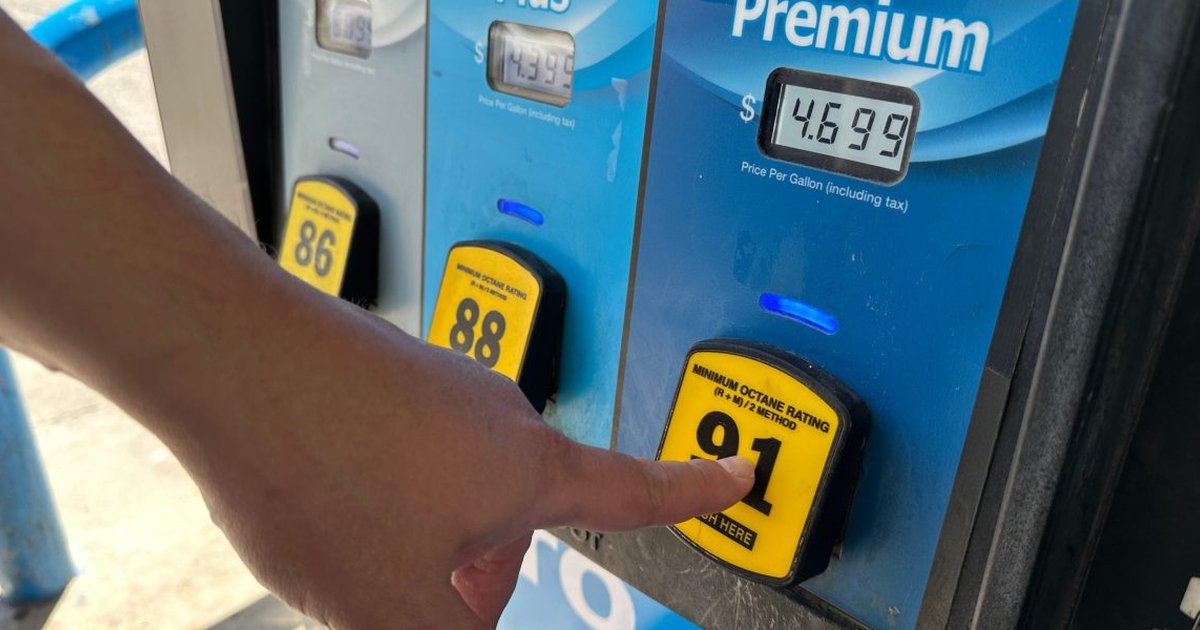
$4.7 trillion in market value could be at risk. Hidden state gas taxes are inflating prices at tribally owned convenience stores. These costs could ripple through your wallet and the stock market.
75 cents. That’s the average difference in gas prices per gallon between Native American reservations and nearby urban areas. While inflation continues to climb and global oil prices remain volatile, this discrepancy reveals a significant opportunity for American consumers. Can you afford to ignore such savings when filling up your tank?
The Bottom Line Up Front
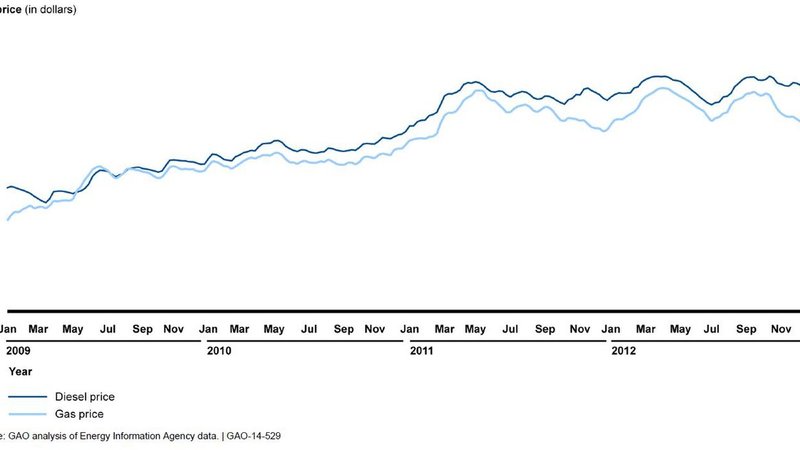
Native American reservations are becoming unexpected havens for cheaper gas, thanks to state tax exemptions. This situation not only affects local consumers but also has broader implications for the stock market and American economic policy. As gas prices rise nationally, these tax breaks highlight a critical intersection of state and federal law, tribal sovereignty, and consumer behavior.
With gas prices reaching an average of $4.15 per gallon since the onset of the Iran war, the economic landscape is shifting. Consumers are seeking out cheaper alternatives, often driving long distances to fill up at tribally-owned stations. This trend is reshaping market dynamics, giving Native American tribes unique leverage in the fuel market.
Breaking It Down
Video: Gas Prices Spiking? Here's What Your Car Isn't Telling You
Key Development #1 — the core mechanism
Tribes on Native American reservations are exempt from state fuel taxes, allowing them to sell gas at significantly lower prices. This tax exemption stems from a long-standing legal principle that states cannot impose taxes on Native Americans for activities conducted on their land. The Supreme Court has upheld this principle for over a century, protecting tribal sovereignty and enabling these tribes to pass savings onto consumers.
This situation unfolded in three stages. First, the geopolitical tensions surrounding the Iran war triggered a spike in gas prices, which rose over $1 since February 2026. As prices hit $4.15 a gallon, consumers began to search for cheaper options. The second stage saw savvy consumers using apps like GasBuddy to locate the nearest tribally-owned gas stations, often driving considerable distances to save money.
Finally, the structural shift is locking in a new economic reality. Tribes are not only providing cheaper fuel but also enhancing their economic independence through gas sales. The revenues generated from these stations are reinvested into tribal communities, funding essential services like healthcare and education. This dynamic could alter consumer behavior permanently, as more people become aware of the savings available on tribal lands.
Key Development #2 — a real-world case study
Take the Tulalip Reservation near Seattle, for example. Junelle Lewis drives 30 minutes to fill her Chevrolet Suburban at the Tulalip Market, paying $4.84 a gallon—75 cents less than local stations. Her experience is not an outlier; many consumers are flocking to tribally-owned gas stations across states like California, New Mexico, and Oklahoma.
At the Chukchansi Crossing Fuel Station in California, prices were reported at $5.09, 60 cents below nearby stations. These examples illustrate a broader trend: as more consumers seek savings, the business model for tribally-owned gas stations becomes more viable. In a country where inflation is influencing everyday expenses, these savings matter.
Key Development #3
This scenario has historical parallels in other sectors where tax exemptions and unique business models have led to economic advantages. For instance, the tobacco industry historically benefited from similar tax breaks on tribal lands, allowing for lower prices and higher profitability. In both cases, these arrangements have fostered economic growth in communities often overlooked by mainstream markets.
The American Stakes
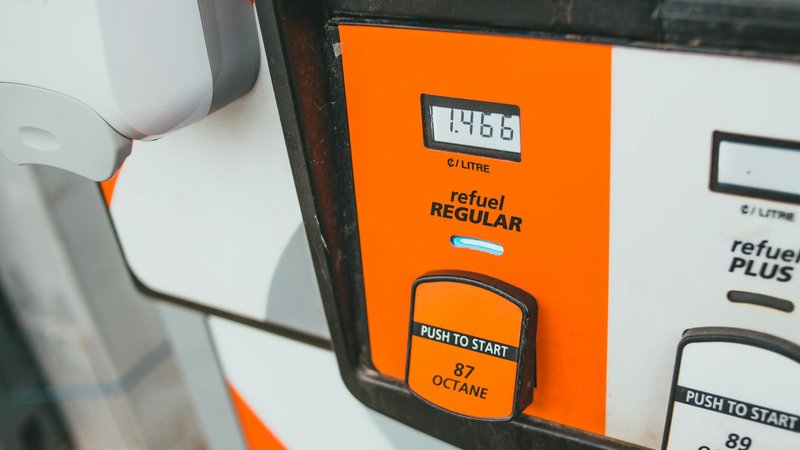
For American consumers, this means tangible savings at the pump, which can be especially crucial amid rising inflation. As gas prices are projected to continue their upward trajectory, those savings can add up quickly. For instance, Jamie Cross, a resident of New Mexico, reported gas prices on the Mescalero Apache Reservation as low as $3.79—significantly cheaper than nearby options. This kind of price differential can influence consumer choices and spending habits in profound ways.
From a political perspective, the situation raises questions about state taxation policies and the legal frameworks governing tribal lands. As more consumers turn to these stations for cheaper fuel, state lawmakers may feel pressure to address the implications of such tax exemptions. Additionally, the federal government may need to reconsider its stance on tribal sovereignty in economic matters.
The potential winners in this scenario include tribal nations, which can leverage their tax-exempt status for economic development, and consumers seeking lower prices. Conversely, traditional gas stations near reservations face increased competition and may struggle to maintain their customer base in the face of rising prices.
Tribal fuel prices, often lower due to the exemption from state gas taxes, reveal significant disparities in the energy market that can influence investor behavior and stock valuations. As consumers flock to these tax-free alternatives, conventional gas prices may face upward pressure, impacting supply chain dynamics and fueling broader economic discussions. This trend not only highlights the competitive advantages for tribal gas stations but also raises questions about the sustainability of traditional fuel pricing models amid shifting consumer preferences and regulatory frameworks.
Your Action Plan
So, what should you do with this information? Here are four concrete steps to consider:
- Monitor gas prices in your area using apps like GasBuddy to take advantage of lower prices.
- Consider making a trip to a nearby Native American reservation for fuel savings.
- Stay informed about local and federal policies regarding tribal tax exemptions and fuel pricing.
- Engage in community discussions about the implications of these tax exemptions on local economies.
Numbers That Matter
- $4.15 — the current average gas price in the U.S. since the Iran war began.
- 75 cents — the average price difference between tribally-owned gas and local stations.
- 496 — the number of tribally-owned convenience stores with gas stations across the U.S.
- 60% — the percentage of lower gas prices reported at certain tribally-owned stations in California compared to nearby stations.
- 35 — the number of states with federally recognized Native American tribes benefiting from these tax exemptions.
The 90-Day Outlook
In the next three months, expect rising consumer interest in tribal gas stations as prices continue to climb. If inflation persists and geopolitical tensions remain high, more consumers will likely seek out these stations for savings. This trend could lead to a reevaluation of state tax policies as lawmakers assess the impact on local economies.
Gas prices are set to shape consumer behavior. Are you ready to take advantage?
Marcus Osei’s Verdict
History rhymes here: remember the early 2000s when Native American casinos flourished? They reshaped economic landscapes, pushing states to rethink their approaches to regulation and taxation. Now, these gas stations are the new frontier for tribes asserting their economic rights.
What nobody is asking is how this affects the broader fuel market in the U.S. If these tribes succeed, could we see a ripple effect, forcing state governments to reconsider their own taxation policies? It’s a valid concern, especially as the nation grapples with rising energy prices and inflationary pressures.
Similar dynamics play out in countries like Canada, where Indigenous communities are leveraging their land rights for economic benefits. Their gas stations operate under different regulations, which creates competitive advantages that challenge conventional market players.
I predict that by mid-2027, we will see intensified discussions around state fuel taxes and potential legislative changes. States may feel pressured to adapt to this new competition or face backlash from consumers. The tribal gas station phenomenon could become a pivotal case study in how local economies reshape national policies.
Frequently Asked Questions
What are tribal fuel prices and how do they compare to state gas prices?
Tribal fuel prices refer to the cost of gasoline sold at gas stations owned by tribal nations. These prices often differ from state gas prices due to various factors, including tax exemptions for tribal entities. Understanding these differences can reveal the impact of state gas taxes on overall fuel costs.
How do state gas taxes affect the stock market?
State gas taxes can influence the stock market by impacting fuel prices and consumer spending. Higher taxes may lead to increased fuel costs, affecting consumer behavior and potentially reducing profits for companies tied to the transportation sector. Analyzing tribal fuel prices can provide insight into these hidden costs.
What deals can consumers find at tribally owned gas stations?
Consumers can often find competitive prices and promotions at tribally owned gas stations. These stations may offer discounts, loyalty programs, or lower fuel prices compared to non-tribal counterparts, driven by their unique tax statuses. Shoppers can benefit from these deals while supporting local economies.