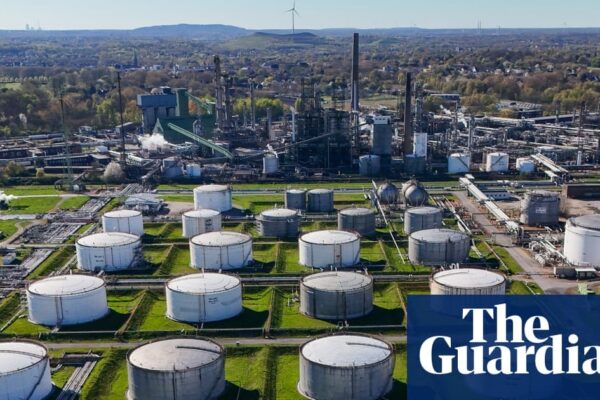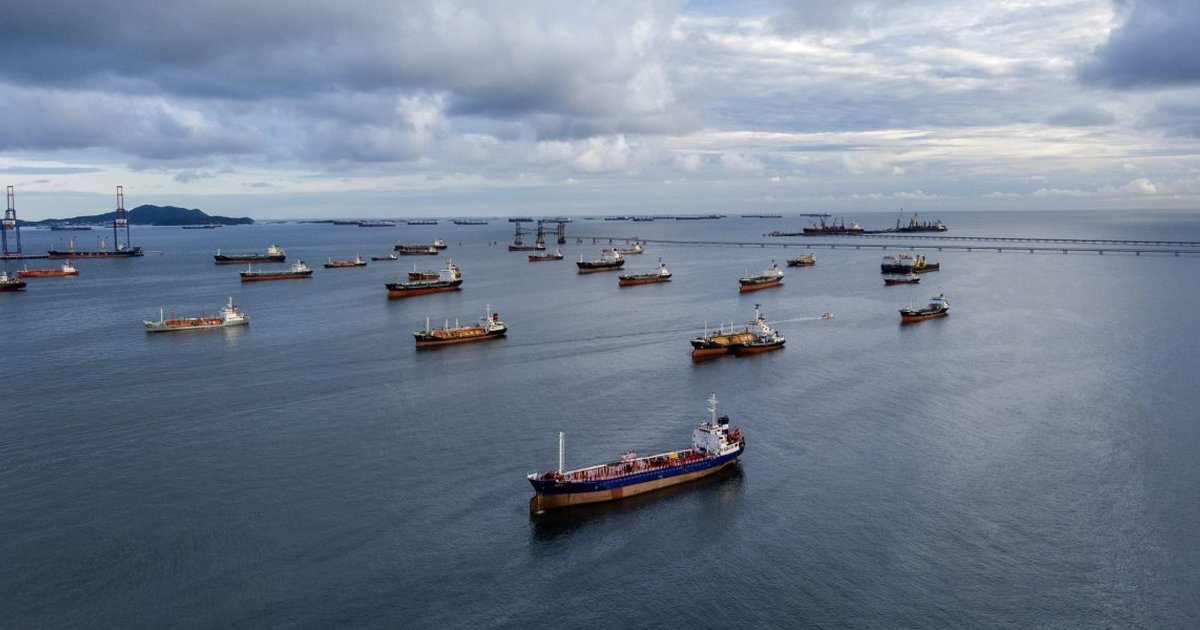
$4.7 trillion. That’s what’s at stake in the Strait of Hormuz crisis. If tensions escalate, your stock market returns could take a serious hit.
70% of the world’s liquefied natural gas and 20% of global crude oil pass through the Strait of Hormuz. This critical chokepoint is now closed due to escalating tensions and conflict involving Iran. What does this mean for your grocery bill and the stock market?
The Bottom Line Up Front
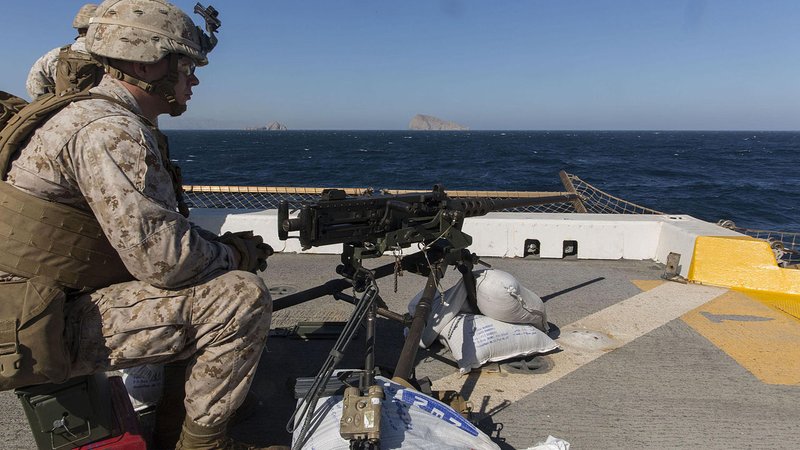
The closure of the Strait of Hormuz is a ticking time bomb for food prices worldwide and an unpredictable variable for stock market stability. With half the world’s calories at risk, American consumers will soon feel the pinch. High prices and food scarcity could redefine your summer barbecues and the stock market landscape in ways that haven’t yet registered on Wall Street.
As fertilizer supplies plummet due to the conflict, farmers are left scrambling. Your corn, livestock feed, and ultimately your dinner plate are at stake. The ripple effects of these disruptions will soon manifest in higher prices and potentially lower stock market performance for food-related sectors.
Breaking It Down
Video: Strait of Hormuz crisis: Trump Uutimatums, Iran response & rising war fears explained
Key Development #1 — the core mechanism
The immediate trigger for this crisis lies in the closure of the Strait of Hormuz, which began in early March 2026. This closure has disrupted the transport of vital resources, including approximately one-third of internationally traded fertilizers, essential for modern agriculture. The result is a spike in fertilizer prices and a looming agricultural crisis that will affect the global food supply.
Stage 1: The Iranian conflict directly led to the closure of the Strait, causing immediate interruptions in oil and gas shipments. This shutdown has cascading effects, particularly for fertilizer production, which relies heavily on natural gas. Reports suggest that nitrogen fertilizer production dropped by 20% as costs soared by up to 70% in the wake of the closure, making it unaffordable for many farmers.
Stage 2: Farmers are now facing difficult choices: either limit their fertilizer usage or switch to crops requiring less fertilizer. Many in the U.S. Corn Belt fear that applying less fertilizer will reduce corn yields by 10% to 25%. This could lead to decreased corn and wheat supplies, which are crucial for livestock feed as well as human consumption.
Stage 3: These changes will not revert quickly. The agricultural landscape has shifted, locking in potentially lower yields for the foreseeable future. The combination of reduced fertilizer availability and increased costs will likely change the dynamics of supply and demand in the market permanently.
Key Development #2 — a real-world case study
In Brazil, the crisis is already affecting local markets and farmers. Brazilian farmers typically rely on imported fertilizers that now face delays and soaring prices. For instance, the interruption in fertilizer supply has led to projections of a 15% drop in soybean yields during the 2026 season.
Farmers had been operating on tight margins even before this disruption, and now they are forced to make drastic cuts. This is not just a localized problem; with Brazil being one of the largest exporters of soybeans, the impact will ripple through global markets, affecting prices in the U.S. and beyond. The USDA has already warned of a 3.1% average increase in food prices, but many experts believe this is only the beginning.
Key Development #3
Historically, similar supply chain disruptions have led to significant food crises. The 2007-2008 food price crisis, driven by high oil prices and poor harvests, saw food riots across various countries. Today, we face a similar situation, but the stakes are higher. More than 300 million people were already facing food insecurity before this crisis, and the United Nations warns that an additional 45 million could join them by the end of 2026.
The American Stakes
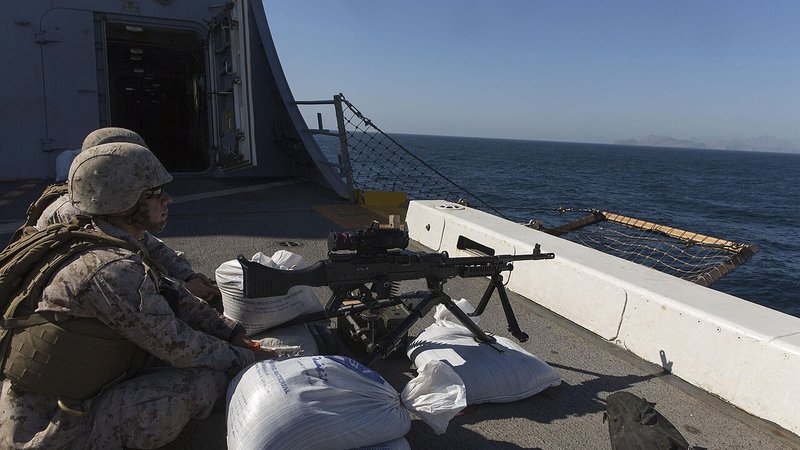
The economic implications for American consumers are stark. Higher food prices are a certainty, but the ultimate question is how quickly these costs will hit your wallet. The stock market, particularly sectors tied to agriculture and food production, will likely react negatively as these price hikes become clearer. If you’re invested in these sectors, now is the time to reassess your holdings.
The political ramifications could also shift the landscape. Expect calls for government intervention to alleviate mounting food costs. With midterm elections approaching, politicians will need to address rising consumer prices or risk losing voter support. Policy changes could include subsidies for farmers or strategic reserves of essential goods.
On the corporate side, some companies may stand to benefit while others will struggle. Producers with strong supply chains may weather the storm better than those reliant on imports. Watch how firms adapt; those that can pivot quickly will likely emerge stronger, while others may falter.
The escalating Strait of Hormuz crisis poses significant risks to global oil supply and, consequently, your stock market returns. As tensions rise in this critical maritime chokepoint, investors face potential spikes in oil prices and disruptions in energy markets, which can lead to increased volatility across various sectors. Companies reliant on stable energy costs may experience declining stock performance, while broader market sentiment could waver amid fears of geopolitical instability and economic slowdown, underscoring the interconnectedness of international trade and financial markets.
Your Action Plan
What should you do with this information? First, keep an eye on food prices and adapt your budget accordingly. Stock up on non-perishable items while prices are still relatively stable.
Second, monitor the stock market closely. Look for signs of instability in consumer staples and agricultural stocks. Diversify your investments to cushion against potential downturns in affected sectors.
Third, engage in community discussions about food security. Advocate for local and national policies that support sustainable agriculture and strengthen food supply chains. These efforts will be crucial as the situation evolves.
Numbers That Matter
- 20% — The percentage of global crude oil that passes through the Strait of Hormuz.
- 70% — The increase in nitrogen fertilizer costs due to the conflict.
- 300 million — The number of people already facing food insecurity worldwide.
- 15% — Projected drop in soybean yields in Brazil.
- 3.1% — The USDA’s projected average increase in all food prices in the U.S.
The 90-Day Outlook
Watch for continued volatility in food prices over the next few months. As fertilizer shortages become more pronounced, expect price increases to ripple through the supply chain. By the end of 2026, the market may experience a significant adjustment period as consumers react to new price realities.
Be prepared for higher prices and possible shortages. The situation is fluid, and the implications for your dinner table and the stock market are profound.
Marcus Osei’s Verdict
What nobody is asking is whether we are prepared for the cascading effects on food supply chains. We’re already witnessing soaring prices for staple crops as uncertainty looms. The evidence points to a pattern of instability, echoing the 2008 food price crisis when rising oil prices led to widespread unrest and government interventions.
In my view, we are entering a precarious phase similar to what we experienced in the energy sector a decade ago, where disruptions led to massive volatility in markets. The agricultural sector isn’t immune from this risk, especially if tensions continue. If the strait remains closed, expect widespread supply shortages in major crops like wheat and corn.
I predict that by mid-2027, we will see significant shifts in food availability, leading to potential market shocks. Investors and consumers alike should brace for impact as food inflation may outpace what we’ve seen in recent years.
Frequently Asked Questions
What is the Strait of Hormuz crisis and how does it affect my investments?
The Strait of Hormuz crisis refers to geopolitical tensions in this crucial shipping route for oil. These tensions can lead to increased oil prices and market volatility, negatively impacting stock market returns as investors react to potential disruptions.
How can the Strait of Hormuz crisis influence global oil prices?
The Strait of Hormuz is a vital passage for oil transport. Any crisis here can restrict oil flow, causing supply shortages and driving prices up. Fluctuating oil prices directly influence global markets, affecting various sectors and investor sentiment.
What should investors do during the Strait of Hormuz crisis?
Investors should monitor global news and oil price trends closely during the Strait of Hormuz crisis. Diversifying portfolios and considering defensive stocks or commodities can help mitigate risks associated with market volatility during such geopolitical events.