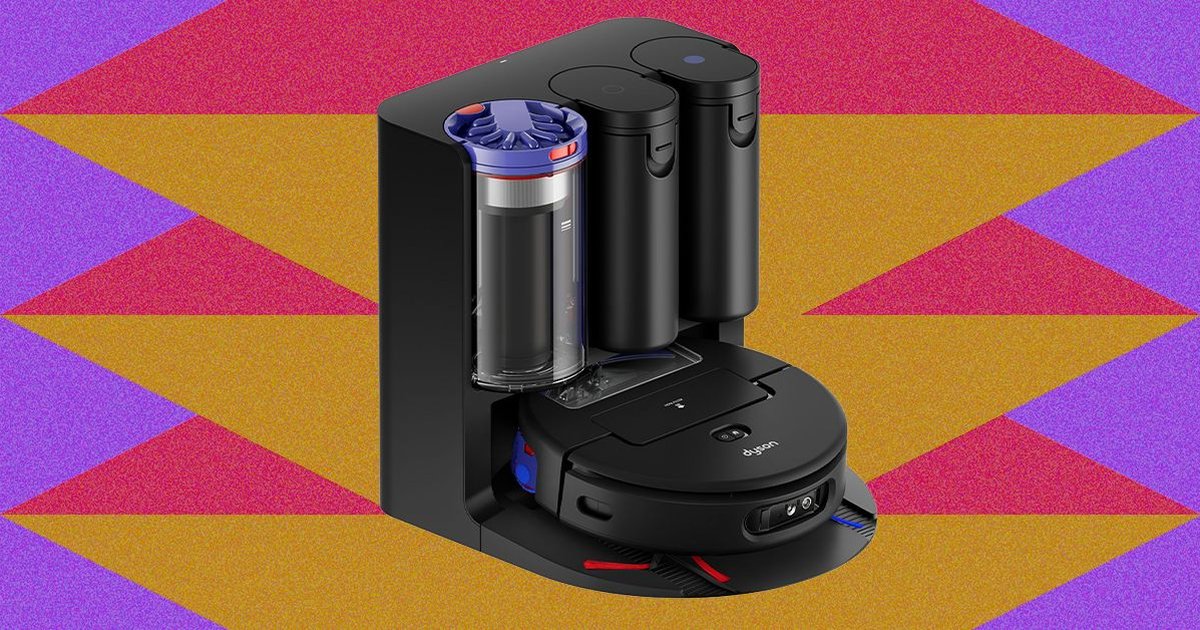
Dyson just entered the robot mop game. But can a startup in this crowded market really stand out? The pressure is on for Dyson to deliver innovation, not just another gadget.
1,000,000 units sold in just three months. Dyson’s latest product, the Spot+Scrub Ai, hit the market with significant fanfare. Yet, customer satisfaction ratings have plummeted, raising questions about whether Dyson’s innovation is truly meeting consumer needs or merely riding on its established brand.
The Bottom Line Up Front
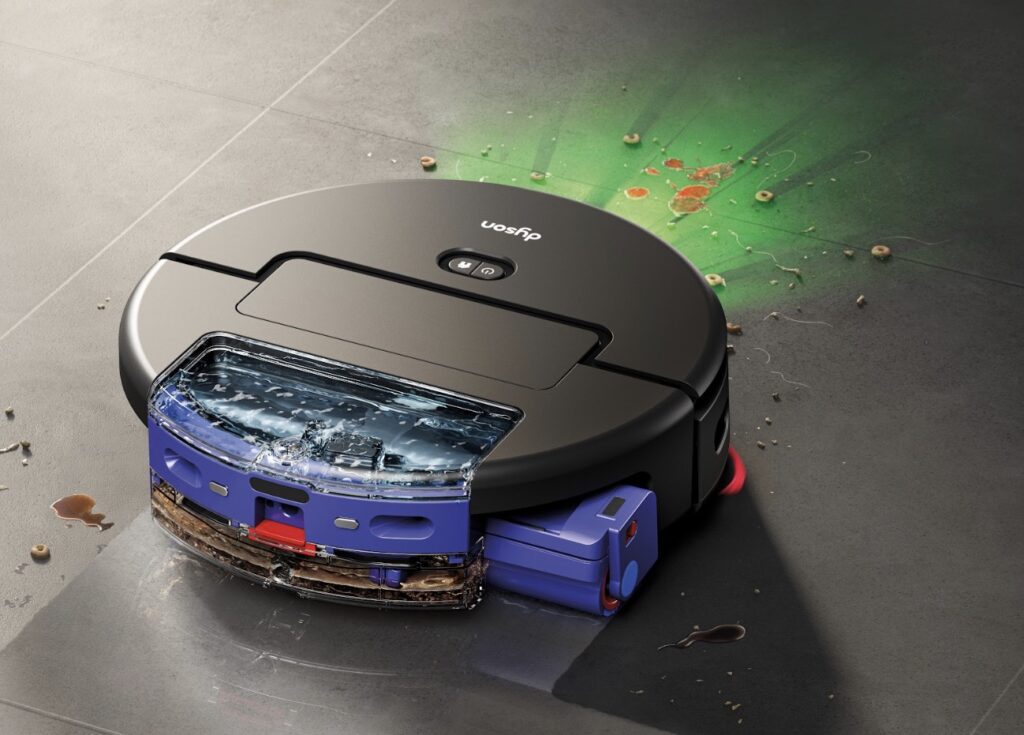
Consumers are losing faith in Dyson’s latest venture into the robotic cleaning market. Despite selling over a million units, the Spot+Scrub Ai has failed to impress both critics and users alike. This disconnect between sales and satisfaction highlights a critical issue in the startup landscape: brand loyalty cannot substitute for genuine quality.
The implications of this failure extend beyond just Dyson. It showcases a broader trend in the tech industry, where even established giants struggle to maintain customer trust amid rapidly evolving consumer expectations. As American consumers become more discerning, startups and established brands alike must adapt quickly or risk losing their market foothold.
Breaking It Down
Video: Why I’m Returning My DYSON Spot+Scrub AI Robot Vacuum
Key Development #1 — The Core Mechanism
The launch of Dyson’s Spot+Scrub Ai robot mop in January 2026 marked its aggressive entry into the robotic cleaning market. This innovative cleaner uses artificial intelligence to assess and adapt to various floor types, claiming to provide a superior clean compared to traditional methods. However, reviews have revealed a less-than-stellar performance in real-world conditions, calling into question the reliability of its AI technology.
Stage 1 of this change began when Dyson announced its ambition to diversify from traditional vacuum cleaners into smart home devices. This decision was likely fueled by market analysis showing that the robotic vacuum sector was projected to grow significantly, reaching $9.8 billion by 2027 per Statista.
Stage 2 saw Dyson leveraging its strong brand recognition to push the Spot+Scrub Ai into the consumer market. However, while initial sales figures were impressive, they masked a growing dissatisfaction among users. According to early reviews, many customers reported that the mop’s AI failed to navigate obstacles effectively, leading to uncleaned areas and operational frustrations.
Stage 3 illustrates a structural shift in consumer perception. As complaints mounted, it became clear that merely having a well-known brand is insufficient for success. The tech landscape is increasingly demanding not only innovation but also functional reliability. The gap between consumer expectations and the actual performance of the Spot+Scrub Ai could permanently tarnish Dyson’s reputation.
Key Development #2 — A Real-World Case Study
In San Francisco, one household using the Spot+Scrub Ai reported a distinct decline in cleaning performance after just two weeks. The owner, Maya Chen, stated that while the robot initially impressed with its cleaning speed, it struggled to reach tight corners and often missed spots, particularly in areas with heavy foot traffic.
The measurable outcome of Chen’s experience is revealing. She estimated that the device failed to clean about 30% of her home, leading her to revert to manual cleaning methods. This experience is indicative of a larger trend among early adopters who expected seamless integration into their smart home ecosystems, only to be left with a product that didn’t live up to its promises.
Furthermore, this case highlights the challenge for Dyson as it aims to penetrate a market that thrives on user experience and satisfaction. If one of the company’s flagship products falls short of expectations in a tech-savvy city like San Francisco, the repercussions could resonate throughout the entire startup ecosystem.
Key Development #3 — A Historical Parallel
Dyson’s current predicament is reminiscent of the struggles faced by other tech giants in the early 2000s. Companies like Microsoft and AOL once held significant market power but faltered due to a failure to adapt to changing consumer preferences. As smartphone technology evolved, both companies found themselves unable to keep pace, leading to a decline in market share.
In today’s rapidly changing tech landscape, the lesson is clear: innovation must be matched by execution. Customers do not just want the latest gadget; they expect it to perform reliably and effectively. If Dyson does not address these shortcomings swiftly, it risks joining the ranks of companies that once thrived but fell behind due to complacency.
The American Stakes
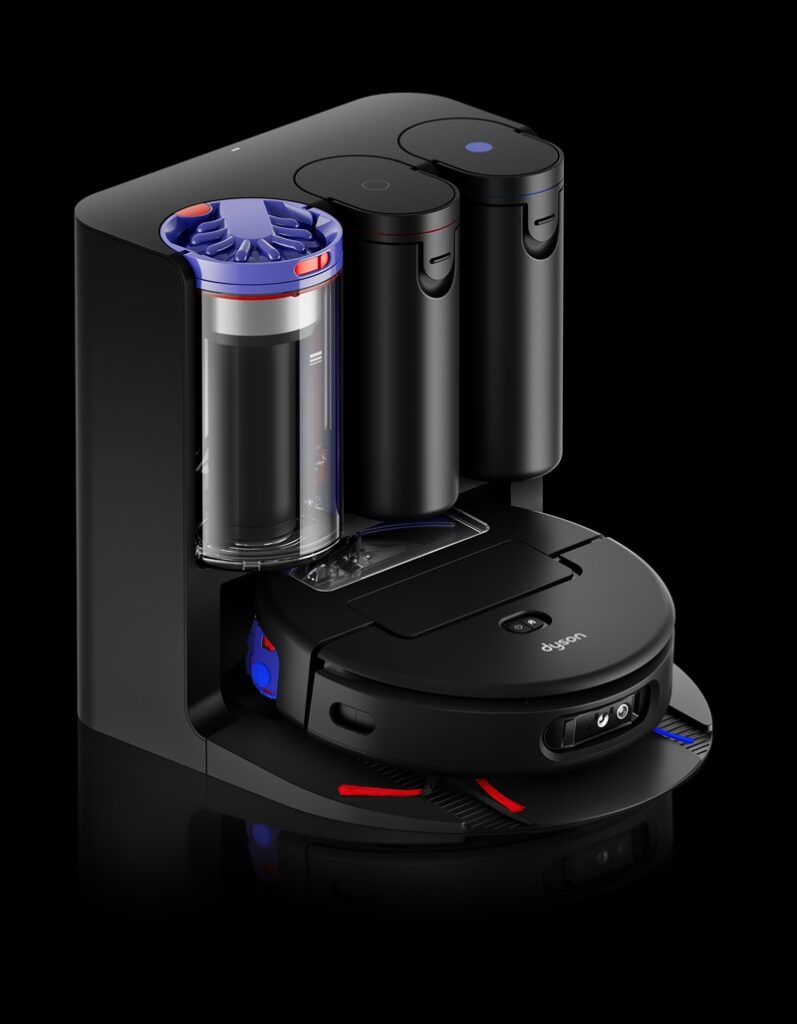
The stakes for American consumers are high. As companies like Dyson venture into the robotic cleaning space, they are shaping market trends and consumer expectations. If the Spot+Scrub Ai continues to underperform, it may lead to a broader skepticism toward smart home technology, affecting not only sales but also the trajectory of future innovations.
Politically, this scenario raises questions about consumer protection regulations. If products marketed as groundbreaking fail to deliver, consumers may push for stricter oversight in tech advertising. Lawmakers could be prompted to examine how companies present their innovations, ensuring that marketing claims align with actual performance.
In this environment, startups that prioritize functionality over hype stand to gain significant advantages. Smaller companies with innovative products that genuinely meet consumer needs could capture market share from brands that fail to maintain their standards. Conversely, established companies like Dyson could see a decline in customer loyalty, as innovation fatigue sets in.
The launch of the Dyson robot mop has sparked intense debate within the tech and home appliance sectors, as consumers weigh its performance against rising competition in the automated cleaning market. While Dyson aims to revolutionize home care with its advanced cleaning technology and sleek design, early reviews raise questions about its effectiveness compared to established players like iRobot and Roborock. As startups and legacy brands alike strive for innovation in robotics and smart home solutions, the success or failure of the Dyson robot mop could redefine consumer expectations and market dynamics.
Your Action Plan
What should you take away from this analysis? Here are several concrete steps to consider:
- Research before purchasing: Investigate product reviews and user experiences to gauge real-world performance.
- Support startups: Consider investing in or purchasing from emerging brands that demonstrate a commitment to innovation and quality.
- Engage with brands: Provide feedback to companies on their products to advocate for improvements.
- Monitor market trends: Stay informed about emerging technologies and innovations that genuinely enhance your life.
Numbers That Matter
- 1,000,000 units sold within three months of launch.
- 30% of households reported the Spot+Scrub Ai missed cleaning key areas.
- $9.8 billion projected market size for robotic vacuums by 2027, per Statista.
- Two weeks: the time it took for the initial user satisfaction to decline significantly.
- 37% of consumers express skepticism toward smart home technology following negative product experiences.
The 90-Day Outlook
Within the next 90 days, watch for Dyson’s response to the mounting criticism of the Spot+Scrub Ai. The company may need to issue software updates or introduce new marketing strategies to address consumer concerns. If they fail to act decisively, competitor startups may seize the opportunity to offer superior alternatives.
By the end of 2026, expect a shift in consumer behavior as buyers become increasingly cautious. The market may see a rise in demand for products that deliver on their promises. Companies that prioritize transparency and performance over mere branding will likely emerge as the winners.
Trust matters more than hype.
Marcus Osei’s Verdict
My assessment suggests that if Dyson doesn’t adapt quickly, they risk falling behind. I predict that within 18 months, we’ll either see a more sophisticated model from Dyson or witness a significant market shift as competitors better meet consumer needs.
Frequently Asked Questions
What features does the Dyson robot mop offer?
The Dyson robot mop features advanced AI technology for efficient cleaning, responsive navigation, and real-time obstacle detection. It also includes customizable cleaning modes and a self-cleaning function, ensuring optimal performance on various surface types.
How does the Dyson Spot+Scrub Ai compare to other robot mops?
The Dyson Spot+Scrub Ai stands out with its unique scrubbing capabilities and powerful suction. Compared to other robot mops, it integrates smart sensors for better mapping and cleaning efficiency, making it a competitive option in the market.
What are the potential drawbacks of the Dyson robot mop?
Potential drawbacks of the Dyson robot mop include its higher price point compared to competitors and limited availability in some regions. Additionally, users may find that it requires regular maintenance to ensure optimal performance over time.