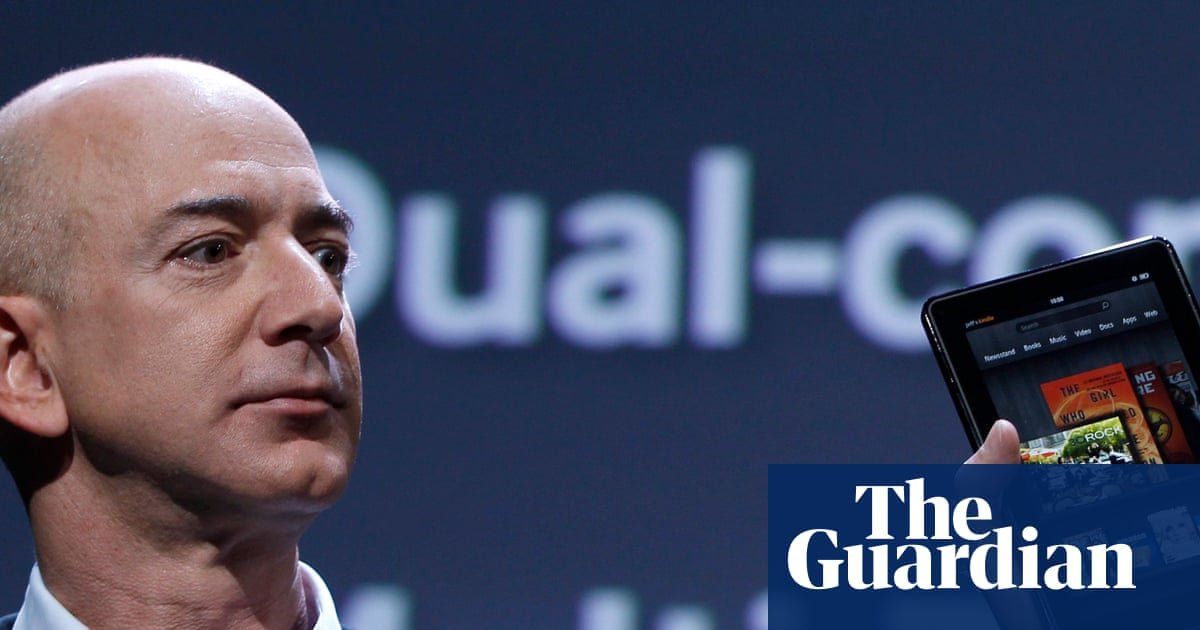
Two million Kindle e-readers will soon be obsolete, forcing loyal users into a digital corner. This shutdown raises critical trade policy questions about consumer rights and the lifecycle of technology in America. Will you be left behind as companies prioritize profit over support?
2 million. That’s the estimated number of older Kindle devices, released before 2013, that Amazon will stop supporting on May 20, 2026. This decision leaves long-time ebook fans unable to access new content from the Kindle store, effectively rendering their devices obsolete. How will this shift impact your reading experience and the broader landscape of digital media?
Why This Story Matters Right Now
This move by Amazon isn’t just about outdated technology; it underscores a significant shift in trade policy surrounding digital products and consumer rights. As an American consumer, you might feel the direct consequences of this decision. The digital content ecosystem is rapidly evolving, and policies must adapt to protect consumers and foster innovation.
The timing of this announcement coincides with growing debates over digital rights and the implications of planned obsolescence. Consumers are increasingly frustrated with companies that prioritize profit over user experience. The Kindle decision sheds light on broader industry trends where tech giants leverage their market power in ways that can diminish consumer access and choice.
The Full Story, Explained
Video: Amazon kindle tablet low battery 🔋
The Background
Amazon launched its first Kindle in 2007, revolutionizing the way we read by shifting to an entirely digital format. Over the years, the Kindle line expanded, with new models offering advancements in display technology and battery life. However, the company has consistently faced criticism for not providing adequate support for older models.
From the Kindle 1st generation to the Kindle Fire HD, many devices that once enjoyed significant popularity are now outdated. The end of support marks a pivotal moment in consumer technology history, reflecting a larger trend in the tech industry. As companies release new products, they often discontinue support for older models to push consumers toward newer devices.
What Just Changed — and How It Works
Starting May 20, 2026, Kindle devices released before 2013, including the Kindle Touch and early Fire tablets, will no longer receive software updates. This effectively prevents owners from accessing new titles on the Kindle store, disrupting their reading habits. The immediate effect is clear: a significant number of loyal consumers face a sudden loss of functionality.
The secondary effects ripple across the digital marketplace. First, readers may turn to other platforms or physical books, creating a potential decline in Amazon’s ebook sales. Second, this decision could lead to increased scrutiny from regulators and consumer advocacy groups demanding better treatment for users of digital products.
Long-term, this could reshape the landscape of digital media consumption. If companies continue to adopt similar policies, consumers may hesitate to invest in digital platforms that lack longevity. The emphasis on planned obsolescence raises questions about the sustainability of digital ecosystems.
Real-World Proof
Consider the case of Netflix’s gradual phasing out of DVD rentals—a service that once defined the company. As streaming became the norm, subscribers had to adjust to a new reality, losing access to a vast library of older films. This transition reflects a broader trend among digital media services, where companies must continually innovate or risk alienating their user base. Netflix’s shift directly impacted their subscriber numbers, showing how tech decisions resonate across the market.
Similar outcomes could arise from Amazon’s Kindle decision. If consumers abandon the platform due to dissatisfaction, Amazon could lose a hefty share of the ebook market. The stakes are higher than they appear; these decisions can alter market dynamics and consumer loyalty.
The Reaction
Reactions from consumers have been swift and critical. Many Kindle users expressed frustration across social media platforms, calling for Amazon to reconsider its decision. Consumer advocacy groups are also stepping in, questioning whether this move aligns with fair trade practices and consumer rights.
Experts from the tech industry are weighing in as well. Some analysts argue that Amazon’s actions may provoke regulatory scrutiny over digital product support. According to a recent report from BBC Technology, ongoing consumer dissatisfaction in this area may lead to more stringent regulations concerning digital content accessibility.
The Hidden Angle
What mainstream coverage often overlooks is the broader implications of this decision on consumer rights and digital policy. While many articles focus on the technical aspects of unsupported devices, the real story lies in the erosion of consumer trust. This could lead to a backlash against not just Amazon, but the entire tech industry.
Furthermore, planned obsolescence raises ethical questions about how corporations value their consumers. With increasing attention on sustainability and responsibility, the public may demand more from companies like Amazon. They could pressure tech giants to adopt policies that prioritize longevity and support for older devices, pushing for a shift in trade policy toward consumer-friendly practices.
Impact Scorecard
- Winners: Competitors like Barnes & Noble, which could attract disillusioned Kindle users.
- Losers: Amazon, as it risks alienating a loyal customer base and may face regulatory repercussions.
- Wildcards: The emergence of new reading platforms or shifts in consumer behavior could disrupt market dynamics.
- Timeline: Key dates to watch include May 20, 2026, when the support ends, and any regulatory responses in the following months.
The recent Amazon Kindle shutdown has sparked significant debate over the implications for digital publishing and consumer rights, as many readers face the potential loss of access to their purchased e-books. This situation not only raises concerns about the longevity of digital products but also highlights the need for clearer trade policies regarding intellectual property in the tech industry. As e-readers become increasingly central to the reading experience, questions arise about how companies manage digital content and the responsibilities they hold towards consumers in an evolving economic landscape.
What You Should Do
As a consumer, consider your options. If you own an older Kindle device, now is the time to explore alternatives. Whether it’s upgrading to a newer Kindle model or transitioning to competing platforms, you have the power to decide where to invest your reading time and money.
Stay informed about digital rights and support policies for your devices. Engage in discussions on social media or forums to elevate the conversation around consumer rights and demand better support from tech companies.
The Verdict
Amazon’s decision to end support for older Kindle devices underscores a troubling trend in consumer technology. It highlights the need for a shift in trade policy that favors consumer rights over corporate profit.
The landscape of digital media is shifting, and you have a stake in how it evolves. Don’t let companies dictate your access to content. Stand up for your rights as a consumer.
Read smart, stay informed.
Marcus Osei’s Verdict
What nobody is asking is how this move may push Kindle users to consider alternatives. As digital platforms increasingly dictate the lifespan of devices, consumers must navigate a landscape where their investments could quickly become outdated. This is especially concerning as a growing number of consumers in Europe are turning to independent platforms for book purchases due to similar practices from major retailers.
My prediction is clear: within 6 months, we will see a significant shift as users begin abandoning the Kindle ecosystem for more sustainable options. In my view, this will push Amazon to adapt its strategy to retain customers, particularly as market competition intensifies.
Frequently Asked Questions
What are the implications of the Amazon Kindle shutdown for e-reader users?
The Amazon Kindle shutdown affects approximately 2 million e-readers, leaving users without access to their purchased content. This raises concerns about consumer rights and the viability of digital ownership, as users lose access to books and features they paid for.
How does the Amazon Kindle shutdown impact trade policy?
The shutdown prompts discussions around trade policy, particularly regarding digital goods and services. It highlights the need for regulations that protect consumers' rights in digital marketplaces and the implications for international trade agreements.
What alternatives do readers have after the Kindle shutdown?
Readers can explore alternative e-readers and platforms that support various file formats. Options include Kobo, Nook, or apps like Apple Books and Google Play Books, which allow users to access their library on different devices.