What if AI’s next big breakthrough comes from a partnership instead of competition? Anthropic’s Claude Design and Canva are trending together, reshaping how we think about creativity and technology. This collaboration could redefine market dynamics and influence your work and daily life.
1.3 billion. That’s how many people use Canva globally, making it a dominant force in graphic design. Meanwhile, Anthropic’s recent launch of Claude Design promises to reshape the landscape for creators who rely on digital tools. But what does this mean for the future of design and the American workforce?
The Bottom Line Up Front
Anthropic’s Claude Design is a game-changer that merges AI capabilities with graphic design. By aligning itself with Canva, rather than directly competing, Anthropic positions itself to capitalize on the booming demand for user-friendly design tools. This collaboration signals a shift in the tech landscape where complementary innovation can lead to greater market growth.
American creators and businesses must pay attention. The integration of AI into design processes could streamline workflows and reduce costs. But it also raises questions about job security in a sector already grappling with automation.
Breaking It Down
Video: Claude Design Dropped and the Design Community Has Thoughts!
Key Development #1 — the core mechanism
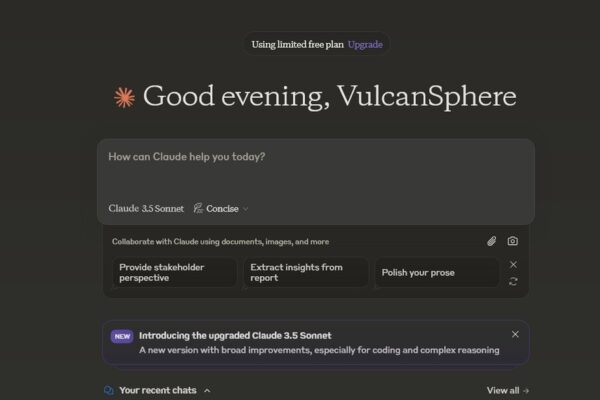
Anthropic launched Claude Design on March 15, 2026, targeting graphic designers and content creators. This innovative platform allows users to generate design elements through AI-driven prompts, facilitating rapid prototyping and creativity. By enabling compatibility with Canva, Claude Design invites a broader audience into the creative process, merging AI’s efficiency with Canva’s accessibility.
Stage 1: The trigger was the rise in demand for AI-driven creativity tools. Users want faster, more intuitive ways to create visual content. This trend accelerated during the pandemic as remote work and digital content consumption surged.
Stage 2: As the technology spread, other companies like Adobe and Figma began feeling the pressure. Stock prices for these competitors dropped sharply after the announcement of Claude Design, signaling investor concern about their market positions. For instance, Figma’s stock fell approximately 15% within days, reflecting fears of losing market share to this new entrant.
Stage 3: Claude Design locks in a structural shift where AI becomes a standard tool for design professionals. This marks a departure from traditional design methods, where human creativity was the primary driver. Now, AI collaboration is becoming essential. Expect this trend to expand beyond graphic design into other creative fields, such as video production and web design.
Key Development #2 — a real-world case study
Take the case of a small marketing agency in Austin, Texas, that adopted Claude Design shortly after its launch. They reported a 40% reduction in project turnaround times. By leveraging Claude Design’s AI capabilities, the agency generated prototypes in minutes, allowing for quicker client feedback and revisions.
This efficiency translated into tangible financial benefits. The agency increased its client base by 25% within three months of implementing the tool. They reported that Claude Design not only improved productivity but also enhanced creativity, as designers could explore multiple concepts without significant time investments.
Key Development #3
Historically, technology has disrupted creative fields, much as digital photography changed traditional photography. In the late 1990s, the rise of digital editing software threatened the livelihood of many photographers. Today, the introduction of AI design tools signals a similar crossroads for graphic designers.
As automation becomes more ingrained in creative processes, professionals must adapt or risk obsolescence. This shift could prompt a re-evaluation of design education, focusing more on collaboration with technology rather than traditional skills alone.
The American Stakes
The integration of Claude Design into the design ecosystem can affect American jobs significantly. While it offers unprecedented efficiency, it also raises concerns about the future of creative employment. The debate between automation enhancing creativity versus replacing it will define the next decade for graphic designers across the U.S.
Politically, this development could lead to calls for regulation regarding AI in creative fields. As job displacement becomes a pressing issue, expect increased scrutiny from lawmakers aiming to protect workers. The implications could be far-reaching, influencing everything from labor laws to education policies.
Companies positioned to benefit from this shift include tech giants like Anthropic, which stands to gain market share rapidly. Conversely, traditional design tools like Adobe and Figma may struggle to adapt without reinventing their offerings. Their current business models hinge on human-centric creativity, which may not align with the future dominated by AI.
The Claude Design Canva partnership is set to redefine the intersection of artificial intelligence and graphic design, highlighting a growing trend in tech collaborations. By integrating Claude’s advanced AI capabilities with Canva’s user-friendly design tools, the initiative aims to streamline creative workflows for businesses and individuals alike. This strategic alliance not only enhances user experience but also reflects the broader industry shift towards AI-driven solutions, showcasing how partnerships are shaping the future of digital content creation.
Your Action Plan
What can you do with this information? Here are a few actionable steps:
- Explore Claude Design’s features to understand its potential impact on your workflow.
- Monitor industry responses from competitors like Adobe and Figma. Their adaptations will reveal how the market is evolving.
- Consider upskilling in AI tools that integrate with design software, preparing yourself for a more automated future.
- Engage in discussions about the role of AI in creative work. Share your insights and experiences with peers.
Numbers That Matter
- 1.3 billion — Canva’s global user base, indicating its immense market influence.
- 40% — Reduction in project turnaround times reported by an Austin marketing agency after using Claude Design.
- 25% — Increase in client base within three months for the same agency after adopting the AI tool.
- 15% — Drop in Figma’s stock price following the announcement of Claude Design, highlighting investor concerns.
- 3/15/2026 — Launch date for Claude Design, marking a significant date for AI in design.
The 90-Day Outlook
As we move through 2026, keep an eye on how Claude Design evolves. Anthropic is likely to introduce more advanced features that could further disrupt traditional design workflows. Additionally, watch for responses from Adobe and Figma as they reassess their strategies in light of this new competitive landscape.
Expect a reorientation of the design industry towards AI collaboration.
FAQ: What You Need to Know About Claude Design
What is Claude Design?
Claude Design is an AI-driven design platform from Anthropic that enables users to create visual content using prompts.
How does it integrate with Canva?
Claude Design works with Canva to enhance user experience, allowing seamless transitions between AI-generated designs and traditional design workflows.
What benefits does Claude Design offer?
It speeds up the design process, improves creativity, and allows for rapid prototyping without extensive manual work.
Who should use Claude Design?
Graphic designers, marketers, and anyone needing visual content can benefit from this tool, particularly those looking to streamline their workflow.
How might this affect jobs in graphic design?
While it offers efficiency, there is concern about job displacement as AI tools become more prevalent in creative industries.
Key Takeaways: Collaboration Over Competition
In conclusion, Anthropic’s Claude Design exemplifies a shift towards collaboration in the digital design space. By partnering with Canva, it opens up new avenues for creators while challenging traditional design roles. This trend could redefine how we think about creativity, automation, and the future of work in America.
As this story continues to unfold, staying informed will be crucial for anyone in the creative sector. The stakes are high, and the outcomes will shape the landscape of design for years to come.
Marcus Osei’s Verdict
What nobody is asking is how this collaboration could change the landscape of AI-driven design tools in a market saturated with competitors. With companies like Adobe ramping up their capabilities in AI, will Canva and Anthropic’s partnership really be enough to stand out?
I see parallels in the way industries adapt. Look at how Tesla partnered with Panasonic for battery technology. It propelled both companies forward but also raised questions about intellectual property and market positioning. Similarly, Anthropic’s path is fraught with potential pitfalls.
Looking ahead, I predict that this collaboration will yield a significant product offering by mid-2027, shaping the future of digital design. Success hinges on how well they can harmonize their technologies without stifling each other’s core values.
Frequently Asked Questions
What is the Claude Design Canva partnership about?
The Claude Design Canva partnership focuses on merging Anthropic's AI capabilities with Canva's design tools. This collaboration aims to enhance user experience by integrating advanced AI features into the design process, making it easier for users to create visually appealing content.
How does the partnership influence AI trends?
The partnership between Claude Design and Canva influences AI trends by setting new standards in creative design tools. By leveraging AI advancements, the collaboration drives innovation, encouraging the adoption of intelligent features that streamline design workflows and improve user accessibility.
What innovative features are expected from Claude Design and Canva's collaboration?
Innovative features expected from the Claude Design and Canva collaboration include AI-driven design suggestions, automated content generation, and enhanced personalization options. These features aim to empower users, simplify the design process, and foster creativity through intelligent assistance.