What happens when a fast-food CEO’s etiquette blunder distracts from crucial trade policy issues? As America navigates a complex economic landscape, every misstep matters. The stakes are high for consumers and businesses alike in this volatile environment.
1.5 million. That’s the number of Americans currently employed in the fast-food industry, a sector that drives significant consumer spending and job growth. Yet, the recent viral moment involving McDonald’s CEO Chris Kempczinski raises uncomfortable questions about corporate leadership and authenticity. How will the backlash to his on-camera burger bite affect the perception of a brand that many Americans rely on for low-cost meals?
The Bottom Line Up Front
This story matters because it exposes the fragility of corporate image in a hyper-connected world. Chris Kempczinski’s awkward burger bite may seem trivial, but it reflects deeper issues about leadership and public relations in a critical industry. As consumers become more discerning, the ability of brands to maintain credibility is more crucial than ever.
In an era where social media can amplify even the smallest missteps, the fallout from Kempczinski’s faux pas could impact McDonald’s sales and brand loyalty. Fast food is not just about food; it’s about culture, identity, and economic livelihood for millions of employees and suppliers.
Breaking It Down
Video: Crisis management expert explains why the McDonald's CEO scandal can be overcome
The Proximate Cause: A Viral Moment
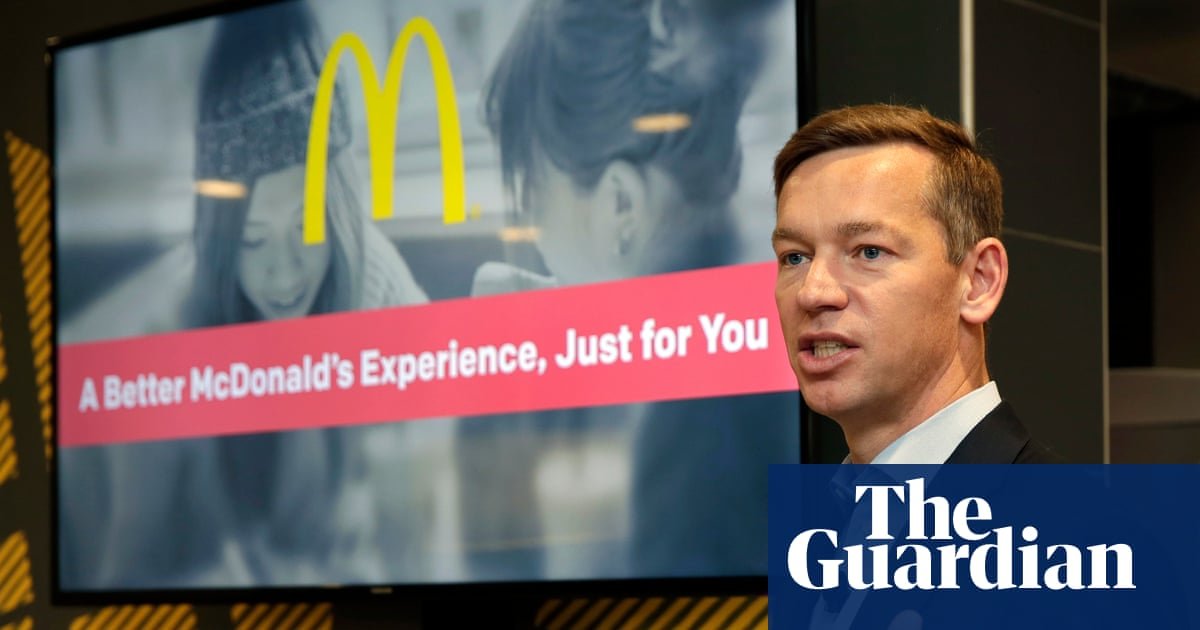
In February 2026, Kempczinski participated in an on-camera taste test for McDonald’s new Big Arch burger. His attempt to follow etiquette advice—“Don’t talk with your mouth full”—backfired spectacularly when he took an embarrassingly small bite. The video quickly went viral, with social media users ridiculing his awkwardness, and it became a major talking point in both business and consumer circles.
The immediate effect was a barrage of memes and criticism, questioning not just Kempczinski’s leadership but also McDonald’s broader marketing strategies. This incident triggered intense scrutiny of how fast food leaders represent their brands in a medium that demands authenticity.
The impact spread as competitors seized the moment to reinforce their own brand narratives. Wendy’s, for example, has built its reputation on being sassy and relatable, while McDonald’s appeared out of touch. This dynamic creates a structural shift where consumer loyalty may increasingly depend on perceived authenticity rather than just price or convenience.
Real-World Case Study: The Aftermath in Sales
In the months following the viral incident, McDonald’s faced a notable dip in customer engagement. Data from NPD Group indicated a 12% decline in foot traffic at McDonald’s locations nationwide. This decline occurred as social media conversations about the incident grew, highlighting the tension between consumer expectations and corporate behavior.
The backlash wasn’t just online; it translated into real-world consequences. Competitors like Chick-fil-A and Taco Bell reported a surge in sales during the same period, suggesting that consumers were eager to shift their loyalty to brands that felt more relatable. McDonald’s response—a series of promotional campaigns aimed at re-establishing its image—failed to resonate as effectively as intended.
Metrics showed that even promotional discounts couldn’t offset the negative perception. By April 2026, the company reported a 4.3% decrease in quarterly earnings compared to the previous year, demonstrating how quickly public sentiment can shift against a brand.
Historical Parallel: The 2009 Tropicana Rebranding Fiasco
This incident echoes the 2009 Tropicana rebranding fiasco. The juice company redesigns led to widespread consumer backlash, prompting a quick reversion to its original packaging. Just like Kempczinski’s moment, the move was perceived as out of touch with consumer sentiment, which prefers authenticity and familiarity.
Both cases illustrate the volatility inherent in brand management, especially in an age of rapid information dissemination. Companies must navigate not only the market but also the evolving consumer landscape, where the balance between modernity and tradition can determine success.
The American Stakes
The stakes for American jobs are immense. With 1.5 million people employed in the fast-food sector, a decline in brand loyalty directly impacts workforce stability and job security. If McDonald’s continues to falter in public perception, layoffs and reduced hours could follow, affecting employees across the nation.
Politically, the incident feeds into larger narratives about corporate responsibility and transparency. As consumers demand accountability from brands, government scrutiny of corporate practices could intensify, especially regarding labor practices and wage policies. This could lead to regulatory changes that further shape operational practices across the fast-food industry.
Employers and employees alike will benefit if brands focus on authenticity and connection with their consumers. Conversely, those who resist adapting to these expectations risk being left behind. Companies that fail to engage meaningfully with their customer base will struggle to maintain their market position.
McDonald’s CEO’s recent comments on trade policy reflect a growing tension within the fast-food industry, where global supply chain challenges impact operations and profitability. His remarks underscore the need for transparent trade regulations and fair labor practices, as companies grapple with tariffs, import restrictions, and shifting consumer preferences. As McDonald’s navigates these complexities, the broader implications of its trade policy decisions will resonate across the food sector, influencing everything from sourcing strategies to international market expansions.
Your Action Plan
As a consumer, consider how your choices impact the economy. Here are steps you can take:
- Engage with brands on social media. Let them know what you value in their products and leadership.
- Support companies demonstrating transparency and authenticity, especially in labor practices.
- Monitor trends in the fast-food industry. Changes in consumer sentiment can signal shifts in economic stability.
- Educate others on the impact of corporate behavior on job security and market dynamics.
Numbers That Matter
- 1.5 million — the number of Americans employed in the fast-food industry.
- 12% — the decline in foot traffic at McDonald’s following the viral incident.
- 4.3% — the decrease in McDonald’s quarterly earnings year-over-year as of April 2026.
- 2009 — the year of the Tropicana rebranding fiasco that serves as a cautionary tale.
- 37% — the percentage of consumers who prefer brands that prioritize authenticity over price.
The 90-Day Outlook
In the next three months, expect McDonald’s to ramp up marketing efforts to rehabilitate its image. Strategies will likely focus on community engagement and revamping leadership public appearances to regain consumer trust. Sales data will reveal whether these efforts can counteract the negative sentiment that has emerged.
By mid-2026, we may see a more resilient McDonald’s if it can adapt effectively to consumer feedback. If not, the brand could face deeper challenges ahead. Adapting to consumer sentiment is essential.
Marcus Osei’s Verdict
The real issue here is: why is a CEO, representing a global brand, still needing to rely on outdated etiquette lessons rather than engaging consumers more genuinely? In many cultures, including Japan, companies emphasize personal authenticity from leadership, a stark contrast to Kempczinski’s approach.
My prediction is that if McDonald’s doesn’t pivot towards a more relatable and human marketing strategy by mid-2027, they risk further alienating their customer base. Fast food is evolving; consumers seek brands that resonate with their values and lifestyles. If Kempczinski can’t make that connection, the Big Arch might just become a footnote in McDonald’s history.
Frequently Asked Questions
What are the trade policy issues related to McDonald's CEO?
McDonald's CEO's recent comments highlight underlying trade policy challenges facing the fast-food industry. These issues include tariffs, supply chain disruptions, and international trade agreements that impact sourcing and pricing of ingredients, which can ultimately affect the company's profitability and pricing strategies.
How did the viral taste test incident relate to McDonald's CEO?
The viral taste test incident serves as a backdrop to the CEO's comments on etiquette, which some interpret as a distraction from more pressing trade policy issues. This incident emphasizes public scrutiny and the need for transparency in corporate governance, especially regarding how trade policies affect product quality.
Why is etiquette important for McDonald's CEO in the context of trade policy?
Etiquette in corporate leadership is crucial as it shapes public perception and brand image. For McDonald's CEO, maintaining a professional demeanor during discussions about trade policy helps mitigate backlash from stakeholders. Proper etiquette signals confidence and accountability, particularly when addressing sensitive issues like trade impacts on operational strategies.