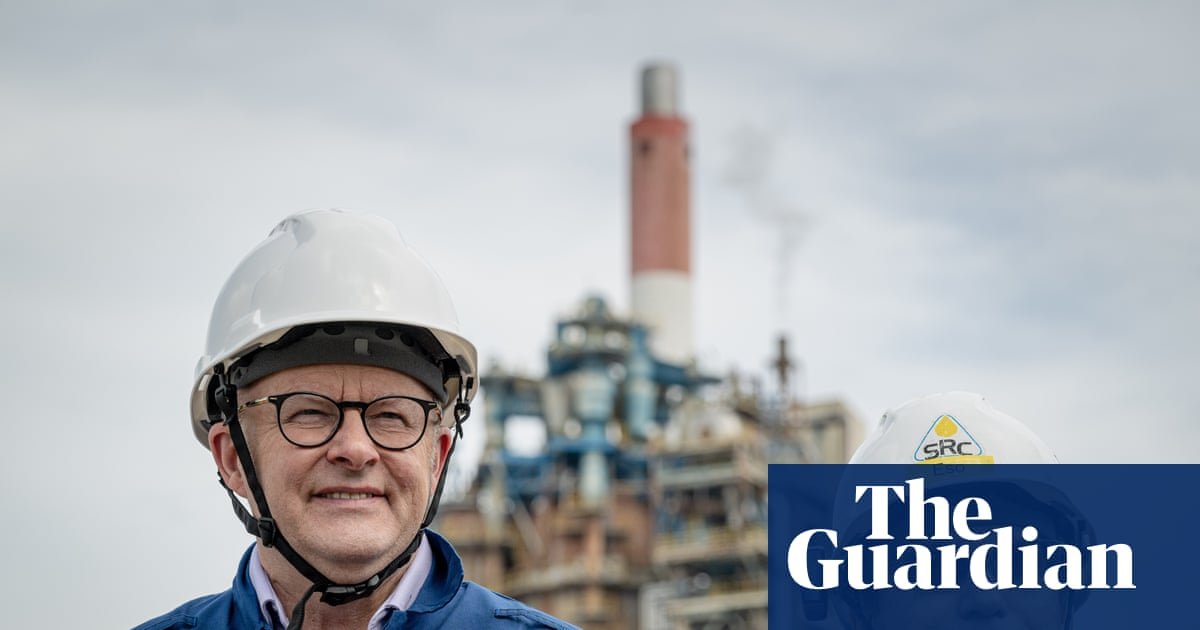
What happens when a country’s fuel supply hangs by a thread? As diesel prices trend upward amid global conflicts, Australia’s Prime Minister Anthony Albanese seeks new partnerships. Your wallet could feel the impact if supply chains falter further.
55% of Australia’s unleaded fuel comes from Singapore. Yet, Prime Minister Anthony Albanese’s recent visit did not result in new supplies, raising questions about Australia’s long-term energy security. How will this affect global fuel markets and prices for everyday consumers?
Why This Story Matters Right Now
The stakes in global fuel supply chains have never been higher. With ongoing conflicts in the Middle East disrupting oil markets, countries worldwide are scrambling for reliable energy sources. For Americans, rising fuel prices could mean increased costs at the pump, impacting everything from commuting costs to inflation rates.
Albanese’s visit to Singapore comes at a critical juncture as Australia faces potential fuel shortages amid geopolitical tensions. The urgency of securing energy supplies directly affects your job and your money, particularly in a time of rising inflation and economic uncertainty.
The Full Story, Explained
Video: Singapore, Australia agree to step up cooperation on energy, critical supplies
The Background
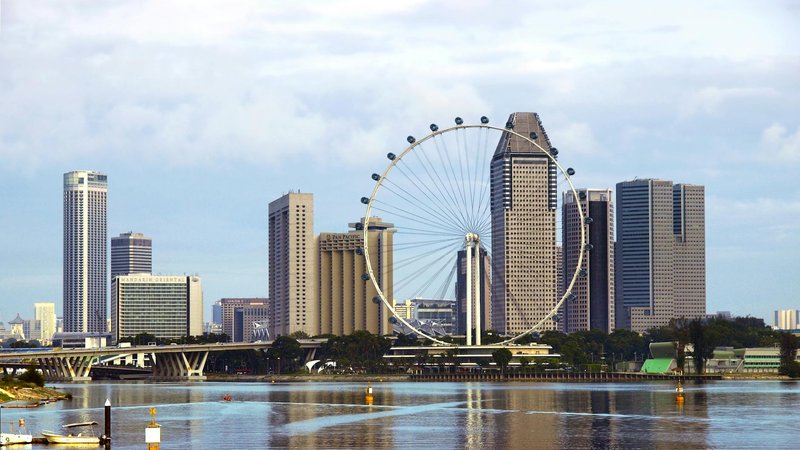
In recent years, Australia has relied heavily on Singapore for its fuel supplies. As of April 2026, Singapore accounted for 55% of Australia’s unleaded petrol, 22% of its jet fuel, and 15% of diesel, according to Australian government data. This dependency raises alarms as tensions in the Middle East threaten oil supply chains, further complicating Australia’s energy landscape.
Albanese’s visit to Singapore was a strategic move aimed at fortifying these essential supply lines. The Prime Minister’s trip took place amid rising fuel prices globally, driven by the ongoing conflict in the Middle East. The Middle East has historically been a critical region for global oil supplies, and any disruption there resonates far beyond its borders.
On this backdrop, the urgency of securing fuel supplies is accentuated not just for Australia but for the global community. With protests erupting in Ireland and Norway over fuel prices, the ripple effect could soon reach American shores, where consumers are already feeling the pinch at the gas station.
What Just Changed — and How It Works
Albanese returned from Singapore without immediate new supplies, but the visit was not in vain. He secured assurances for future cooperation on refined fuels, which could ease supply pressures if tensions escalate further. The Australian government never expected immediate results; the trip was more about laying groundwork for future negotiations.
Stage 1: The direct effect of this visit means potential stability in fuel prices for Australia, assuming tensions in the Middle East do not escalate further. The commitment from Singapore offers a glimpse of hope, but it’s not a guaranteed fix.
Stage 2: The secondary effects could involve a more robust supply chain for refined fuels, allowing Australia to weather future disruptions better. Given that Singapore is a key player in the global fuel market, any agreements made will have wider implications, potentially stabilizing prices across the Asia-Pacific region.
Stage 3: In the long term, Australia may be forced to reevaluate its energy strategy, diversifying its sources to reduce reliance on any single country. This could lead to investment in alternative energies, reshaping the landscape of energy production and consumption in Australia.
Real-World Proof
Let’s consider the case of Ireland, where protests over fuel prices have erupted recently. The Irish government faced immense pressure as fuel stations ran out of supplies, prompting drivers to buy only what they needed. This situation mirrored the fears surrounding Australia’s fuel supply post-Albanese’s visit.
By mid-April 2026, over 100 fuel stations in Ireland had run dry, with projections suggesting this number could rise to 500 in just days. The Irish experience underscores the potential volatility in fuel markets, highlighting how quickly local economies can be affected by global supply disruptions. If history serves as a guide, Australia might soon find itself in a similar predicament.
The Reaction
Market analysts reacted cautiously to Albanese’s visit. According to Reuters, the global oil market responded with a slight increase in prices following the announcement of ongoing Middle Eastern conflicts. Experts warn that unless measures are taken to secure additional supplies, we could see a further spike in prices. Whether or not Australians feel the impact of this volatility will hinge on how effectively their government manages these supply chains.
The Australian government has not yet indicated any dramatic changes to its energy policy. However, continued assurance from Singapore suggests a willingness to adapt to emerging challenges. As fuel prices continue to trend upwards, the government’s ability to navigate this complex landscape will be closely scrutinized.
The Hidden Angle
Mainstream media coverage has focused heavily on the immediate implications of Albanese’s visit, but there’s a deeper narrative here. The potential for long-term structural changes in Australia’s energy strategy remains underplayed. The reality is that just securing a promise for refined fuel isn’t enough; it highlights the need for a broader discussion on energy independence.
Moreover, with protests in Europe indicating widespread public discontent over fuel prices, Australia must be wary. The perception that government actions lag behind market realities could create political backlash. If fuel prices continue to rise, public sentiment could shift against the government, potentially impacting future elections.
Impact Scorecard
- Winners: Anthony Albanese, for his diplomatic efforts; Singapore, as a key ally in fuel supply; and Australian consumers, who may benefit from future agreements.
- Losers: Australian motorists, facing potential price hikes; and global oil markets, responding to heightened tensions.
- Wildcards: Escalation of Middle Eastern conflicts, global economic conditions affecting oil prices, and public sentiment in Australia regarding fuel prices.
- Timeline: Key dates to watch include upcoming negotiations with Singapore, ongoing conflict updates from the Middle East, and local elections in Australia.
Prime Minister Anthony Albanese’s Singapore visit has sparked discussions about bilateral relations and economic partnerships, even as concerns about diesel supply issues loom. During his meetings, Albanese emphasized Australia’s commitment to strengthening trade ties and promoting sustainable energy initiatives, highlighting the significance of regional collaboration in addressing climate change. As leaders navigate the complexities of global energy markets, the outcomes of this diplomatic engagement could reshape perspectives on sustainability and energy security in the Asia-Pacific region.
What You Should Do
As the situation unfolds, American consumers should keep an eye on fuel prices and consider alternative transportation options. If prices continue to rise, consider carpooling or using public transportation to mitigate costs. For those invested in the stock market, monitor energy sector stocks closely; fluctuations in oil prices could impact your investments.
Stay informed about geopolitical developments, as these events can directly affect your wallet. Global energy markets are interconnected, and even a small event abroad can send ripples through local prices.
The Verdict
Australia’s fuel supply landscape is precarious, hinging on both domestic actions and international relations. Albanese’s trip to Singapore might not have yielded immediate supplies, but it was a crucial step in securing future energy needs.
As tensions in the Middle East rise, Australia must act swiftly to diversify its energy sources to avoid future crises. The implications of inaction could be dire.
The future of fuel is uncertain.
Marcus Osei’s Verdict
Here’s the harder truth: is Australia’s dependency on overseas fuel suppliers putting us at risk? While the government anticipates assurances from Singapore regarding refined fuels, the looming uncertainties of global supply chains remain unaddressed. We’re not just dependent on Singapore; we’re tethered to a volatile geopolitical environment influenced by conflicts like the one in the Middle East.
The comparison with Europe during the energy crisis in 2022 is striking. Many countries waited too long to diversify their energy dependencies, which led to staggering price hikes and energy insecurity. The question remains: will Australia react in time to secure its energy future, or will we find ourselves in a similar bind?
My prediction is clear: by mid-2027, I expect Australia to forge significant new agreements aimed at enhancing energy independence. The need for proactive measures is urgent, and failure to act may lead to dire consequences.
Frequently Asked Questions
What are the key outcomes of Albanese's Singapore visit?
Albanese's Singapore visit emphasizes strengthening bilateral relations, focusing on trade, and addressing regional security concerns. Discussions highlight collaborations in technology and climate change, showcasing Australia’s commitment to engaging with Southeast Asia.
How does the diesel supply issue relate to Albanese's visit to Singapore?
The diesel supply issue arises from conversations during Albanese's visit, where energy security and supply chain stability are crucial topics. The discussions aim to explore solutions to improve diesel availability amid global supply challenges.
What insights emerged from Albanese's discussions with Singaporean leaders?
Insights from Albanese's discussions reveal a shared vision for economic cooperation and tackling climate change. Leaders focus on enhancing trade partnerships and promoting sustainable practices, reflecting the importance of collaboration in addressing common challenges.