
NASA’s Artemis II mission just made history by successfully returning from the Moon. This event is trending because it marks a new era in space exploration, with potential benefits for technology and jobs back on Earth. Your tax dollars funded this mission, so understanding its impact matters now more than ever.
Four astronauts splashed down safely off the San Diego coast on April 4, 2026, marking the end of NASA’s Artemis II mission. This historic flight was the first crewed journey beyond low Earth orbit since Apollo 17 in 1972. With the space race reignited, how does this mission impact America’s future in space exploration?
Why This Story Matters Right Now
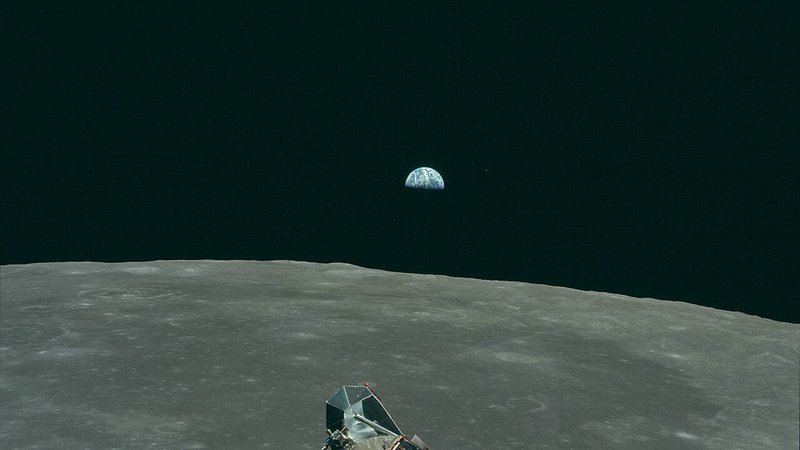
The successful splashdown of Artemis II represents a significant milestone for NASA and American space exploration. It showcases the United States’ renewed commitment to lunar exploration and sets the stage for future missions to Mars. This moment is especially relevant as geopolitical tensions rise, with countries like China rapidly advancing their space programs.
NASA’s Artemis program aims to return humans to the Moon by 2025, with the ultimate goal of establishing a sustainable human presence there by 2028. The implications of this mission extend beyond scientific discovery; they touch on national pride, technological advancement, and economic opportunity for American businesses involved in aerospace. As the world watches, will America continue to lead in space exploration, or will it fall behind?
The Full Story, Explained
Video: NASA Artemis 2 splashdown LIVE: Astronauts return after historic moon mission
The Background
The Artemis program was officially launched in 2019, marking a new era in space exploration. Its first mission, Artemis I, was an uncrewed test flight that successfully orbited the Moon and returned to Earth in December 2021. Following that success, Artemis II, featuring a crew of four astronauts, was planned for early 2024 but ultimately launched in April 2026 due to delays.
This mission included a nine-day lunar flyby, giving the crew vital experience for future missions. The astronauts aboard were Commander Reid Wiseman, Pilot Victor Glover, Mission Specialist Christina Koch, and Mission Specialist Jeremy Hansen, representing a diverse team of talent. Their spacecraft, Orion, was equipped with advanced technology, including life-support systems designed for long-duration space travel.
What Just Changed — and How It Works
Artemis II’s successful splashdown confirmed the viability of NASA’s systems and the crew’s ability to operate effectively in space. The mission’s immediate impact is twofold: it demonstrates technological advancements and provides critical data for future lunar missions. The crew’s experiences and findings will inform mission planners about life in deep space and operational challenges.
The secondary effects ripple through the aerospace sector. For instance, contractors and suppliers involved in the Artemis program benefit economically from increased funding and job stability. As NASA seeks partnerships with private companies for lunar landers and other technologies, businesses of all sizes can capitalize on opportunities in the expanding space economy.
In the long term, the Artemis program aims to establish a sustainable human presence on the Moon. This could facilitate future missions to Mars, thereby fostering advancements in technology and science that could benefit life on Earth. Establishing a lunar base would also provide a platform for international collaboration, enhancing diplomatic relations and scientific research.
Real-World Proof
Consider the case of SpaceX, which has benefited immensely from NASA contracts. The company’s involvement in the Artemis program has encouraged innovation in spacecraft design and launch capabilities. Following its successful crewed missions to the International Space Station, SpaceX has positioned itself as a leader in the space industry. This partnership illustrates how public and private sectors can collaborate effectively for mutual benefit.
In numbers, NASA’s budget allocated for Artemis II was approximately $4 billion. This funding not only supports high-tech jobs but also drives economic growth in regions with aerospace industries, such as Houston and Los Angeles. With these investments, the U.S. can expect a return of $8 for every $1 spent on space exploration, according to NASA’s economic impact studies.
The Reaction
Reactions to Artemis II’s success have been overwhelmingly positive. NASA Administrator Bill Nelson described the mission as a critical step toward human exploration of Mars. Experts across the aerospace industry echoed this sentiment, noting that the successful return of the crew bolsters confidence in future missions.
Investors have responded favorably, with stock prices for companies involved in the Artemis program rising in the days following the splashdown. Analysts project that the positive momentum from this mission could lead to increased investment in space technologies and infrastructure. As markets adjust, many are watching closely to see how this mission impacts government funding for future exploration initiatives.
The Hidden Angle

While mainstream coverage has focused on the triumph of the Artemis II mission, it has underplayed the challenges still facing NASA. Budget constraints and technological hurdles remain significant obstacles. For instance, delays in developing the lunar lander have raised questions about the feasibility of meeting the ambitious timeline for returning humans to the Moon.
This tension between aspiration and reality highlights a less-discussed concern: the risk of becoming overly reliant on private companies for mission-critical technologies. While partnerships with private firms have driven innovation, they also introduce complexities and potential vulnerabilities. This dependence could hinder NASA’s ability to maintain its leadership role in space exploration.
Impact Scorecard
- Winners: NASA, SpaceX, American aerospace contractors
- Losers: Countries investing heavily in space but lacking a comprehensive strategy, such as Russia
- Wildcards: Political shifts in U.S. leadership, unforeseen technical challenges, competition from China’s space program
- Timeline: Key dates include the next Artemis mission planned for 2028 and the Mars mission expected by 2030
The Artemis II moon mission is generating excitement as NASA prepares for its ambitious journey beyond Earth’s orbit, marking a significant leap in space exploration. As the first crewed flight of the Artemis program, this mission aims to establish a sustainable human presence on the Moon, paving the way for future Mars expeditions. With advancements in rocket technology and international collaboration, the Artemis II moon mission not only showcases America’s pioneering spirit but also inspires a new generation of scientists and engineers to push the boundaries of human spaceflight.
What You Should Do
For those interested in the future of space exploration, now’s the time to engage. Consider investing in aerospace stocks or supporting companies focused on technology development for space missions. Stay informed about upcoming Artemis missions and their implications for job creation and technological advancement.
Additionally, support policies that promote funding for NASA and other space initiatives. Your advocacy can influence the direction of America’s space program, making a difference in the future of exploration.
The Verdict
Artemis II’s successful splashdown signifies a bold step forward for America in space exploration. It reaffirms the nation’s commitment to leading the charge in lunar and Martian exploration.
However, challenges remain that could threaten this momentum. Continuous investment and strategic planning are essential to ensure the U.S. remains at the forefront of space technology. The future of exploration depends on it.
America must lead in space.
Marcus Osei’s Verdict
While NASA celebrates this triumph, China’s continual advancements in its lunar program are a stark reminder that the space race is far from over. China aims to land astronauts on the Moon in 2027, which creates pressure for the U.S. to accelerate its plans. In my view, if the U.S. doesn’t maintain its focus, it risks falling behind again.
Looking ahead, I predict we’ll see updates on Artemis III’s timeline and budget discussions by mid-2027. If these initiatives falter, the ambitious plans for human exploration beyond our planet could shift dramatically.
Frequently Asked Questions
What is the Artemis II moon mission?
The Artemis II moon mission is NASA's upcoming crewed flight aimed at orbiting the Moon. It serves as a precursor to future lunar landings and is part of the broader Artemis program, which aims to establish a sustainable human presence on the Moon by the end of the decade.
When is the Artemis II moon mission scheduled to launch?
The Artemis II moon mission is currently scheduled for launch in 2024. This mission will carry astronauts aboard the Orion spacecraft, marking a significant step towards returning humans to the lunar surface and preparing for future missions to Mars.
What are the goals of the Artemis II moon mission?
The goals of the Artemis II moon mission include testing life support systems, validating the performance of the Orion spacecraft, and gathering data for future missions. It aims to demonstrate the capabilities needed for sustained lunar exploration and eventual crewed Mars missions.