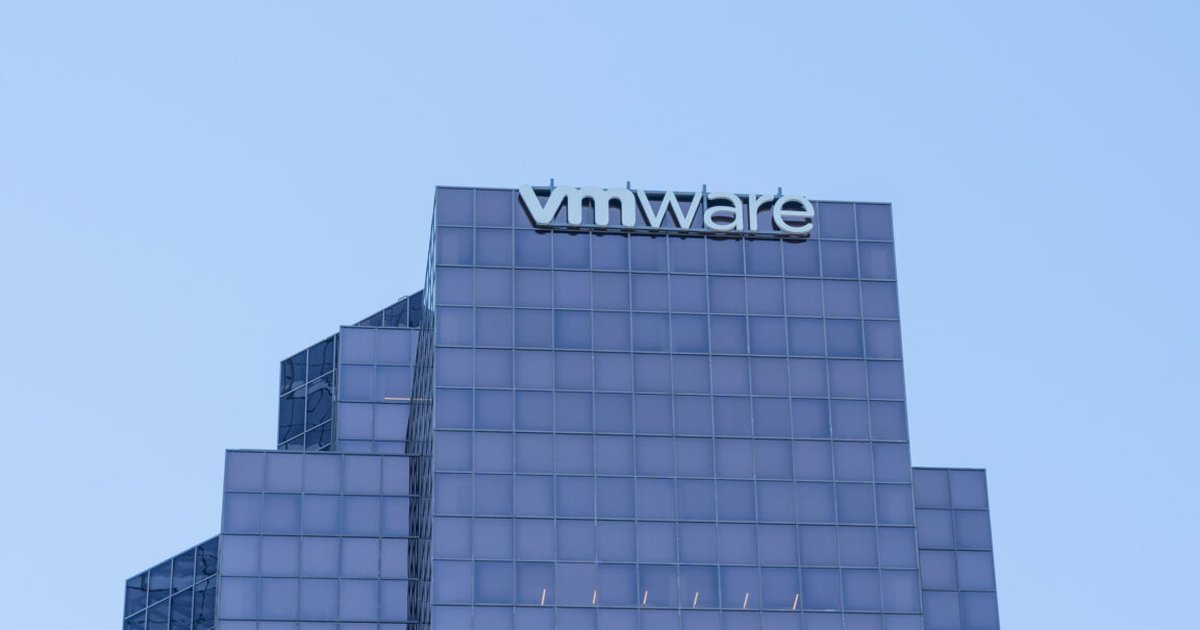
Software migrations are surging as companies rethink their partnerships. With Broadcom under fire, your business might need a new strategy. This shift could reshape the tech landscape and impact your bottom line.
30,000 customers left VMware for Nutanix in just a few months. Broadcom’s controversial acquisition of VMware is driving this migration. Are American businesses ready for the implications of such a drastic shift?
Why This Story Matters Right Now
This situation highlights a critical crossroads for American companies using virtualization technology. Broadcom’s acquisition of VMware, valued at $69 billion, has sparked significant customer dissatisfaction. As a result, competitors like Nutanix are capitalizing on this discontent, potentially reshaping the landscape of cloud computing and virtualization.
You should care about this because it directly impacts how companies manage their IT infrastructure, which affects performance, costs, and innovation. If customer sentiment continues to shift against Broadcom’s VMware strategy, we may see broader implications for the software market and investment strategies tied to these technologies.
The Full Story, Explained
Video: How to migrate virtual machine (VMotion) on the other ESXi host, with no downtime.
The Background
Broadcom Inc. is an American multinational company well-known for its semiconductor and infrastructure software products. It acquired VMware in November 2023, a move that was met with skepticism from many in the tech community. VMware, a pioneer in virtualization, had long been a leader in cloud computing solutions. This acquisition aimed to expand Broadcom’s software offerings, yet it has stirred up significant customer concerns.
In the aftermath of the acquisition, Nutanix, a competitor in cloud computing, reported that approximately 30,000 VMware customers have migrated to its platform. Nutanix CEO Rajiv Ramaswami attributed this migration to a growing negative sentiment towards Broadcom’s management of VMware. Reports suggest that customers are dissatisfied with the direction Broadcom is taking VMware, prompting them to look for alternatives.
What Just Changed — and How It Works
The immediate change was the mass exodus of VMware customers to Nutanix, highlighting a shift in customer loyalty driven by dissatisfaction. This migration reflects deeper concerns about how Broadcom intends to manage VMware’s legacy products and services. Companies that previously relied on VMware for virtualization now face uncertainty about future support and innovation.
Stage 1 of this shift is the direct impact on VMware’s customer base. Many organizations are now reevaluating their software choices, which could lead to reduced market share for VMware. The migration is significant enough that it raises questions about VMware’s long-term viability under Broadcom’s ownership.
Stage 2 involves the ripple effects throughout the software industry. As customers leave VMware for Nutanix, other companies may also reassess their partnerships with Broadcom. This could lead to a domino effect, where dissatisfaction spreads to other software providers, thus reshaping market dynamics.
Stage 3 points to long-term structural changes in the industry. If Broadcom fails to address customer concerns, it risks losing its competitive edge. This could embolden other software companies to innovate and pursue aggressive strategies to capture market share from both VMware and Broadcom.
Real-World Proof
Consider the case of a mid-sized financial services firm in Chicago that relied heavily on VMware for its virtualization needs. After the acquisition, the firm began experiencing service disruptions and a lack of clarity regarding software updates. Frustrated with the changing landscape, the firm explored alternatives and ultimately transitioned to Nutanix.
This shift allowed the firm to not only stabilize its IT operations but also realize a 20% reduction in costs associated with cloud infrastructure. This case exemplifies how the dissatisfaction with VMware’s new direction can turn into tangible business decisions that affect operational efficiency and budget allocations.
The Reaction
The response from the market has been notable. Nutanix’s claims of poaching 30,000 customers have led to a surge in its stock value, while Broadcom’s stock has faced downward pressure. Investors are closely watching how Broadcom manages VMware and whether customer sentiment will stabilize or worsen.
Experts in the tech industry have expressed concerns about Broadcom’s potential mismanagement of VMware. Many believe that the company might prioritize short-term profits over long-term customer satisfaction. Analysts recommend that investors consider these dynamics when evaluating the future of both Broadcom and VMware.
The Hidden Angle

Mainstream coverage has largely focused on customer migration numbers but has underplayed the broader implications of this shift. The narrative centers on dissatisfaction, but it also reveals a critical moment for innovation within the software industry. The exodus from VMware may signal a broader rejection of traditional software giants that fail to adapt to customer needs.
Moreover, the ongoing developments could reshape how companies view their relationships with software providers. As dissatisfaction rises, a new wave of startups and alternative solutions may emerge, offering more flexible, customer-centered approaches to virtualization and cloud computing.
Impact Scorecard
- Winners: Nutanix, which has capitalized on VMware’s customer dissatisfaction.
- Losers: Broadcom, facing declining confidence and stock pressure.
- Wildcards: Potential new entrants into the virtualization market; the fate of other software providers tied to VMware.
- Timeline: Watch for Broadcom’s Q2 earnings report in May, which may reveal more about customer retention.
As organizations increasingly pursue VMware migrations, the shift is largely driven by growing concerns over Broadcom’s recent acquisition of VMware, prompting companies to reassess their virtualization strategies. The rising trend reflects a broader industry movement towards cloud-based solutions and containerization, as businesses seek agility and cost-efficiency in their IT environments. In this context, VMware migrations are not just a technical necessity; they represent a strategic pivot to ensure operational resilience and competitive advantage in an evolving digital landscape.
What You Should Do
If you’re a business leader or IT manager, now is the time to reassess your software partnerships. Evaluate whether your current virtualization solutions still align with your business goals. Don’t hesitate to explore alternatives like Nutanix or other emerging players in the market.
For investors, keep a close eye on Broadcom’s stock performance and market sentiment. Consider diversifying your portfolio to include companies that are gaining traction in the software space. This shift could indicate broader trends worth investing in.
The Verdict
Broadcom’s acquisition of VMware has triggered significant customer migration and market uncertainty. This situation serves as a wake-up call for traditional software giants to prioritize customer satisfaction.
The dynamics of the software market are shifting, with new opportunities arising for companies that can adapt. Whether Broadcom can regain trust remains to be seen, but the landscape is changing fast.
Adapt or risk obsolescence.
Marcus Osei’s Verdict
What nobody is asking is whether this migration trend indicates a fundamental shift in how enterprises evaluate software partnerships. Companies are now wary of relying on vendors with a history of difficulties. This indeed resembles the shake-up seen in the UK telecom market after major players faced regulatory scrutiny and resulting customer exodus.
As I analyze this trend, I believe we’ll see more companies reevaluating their software choices. This could accelerate before year-end 2026, resulting in a significant reshaping of the competitive landscape. By mid-2027, expect new market leaders to emerge, driven by organizations that prioritize stability and support over brand loyalty.
Frequently Asked Questions
What factors are driving VMware migrations?
VMware migrations are rising primarily due to concerns over Broadcom's leadership and strategy. Users express dissatisfaction with management decisions that affect software innovation and support. This leads organizations to explore alternatives that align better with their operational needs.
What challenges are associated with migrating to VMware?
Migrating to VMware presents several challenges, including compatibility issues with existing infrastructure, potential downtime during the transition, and the need for staff training on new systems. Organizations must carefully plan and execute migrations to minimize disruptions and ensure a smooth process.
How does Broadcom's leadership impact VMware users?
Broadcom's leadership impacts VMware users by influencing product development, pricing strategies, and customer support quality. Negative perceptions of Broadcom's management lead to uncertainty among users, prompting many to reconsider their reliance on VMware products and seek alternative solutions.