
Chimpanzees in Uganda are embroiled in a violent conflict, leaving scientists baffled. As nature’s closest relatives, their struggles remind us of the fragility of ecosystems worldwide. The outcome could reshape our understanding of animal behavior and conservation efforts.
500,000. That’s the estimated number of chimpanzees that once roamed across Africa. Today, their population is dwindling due to habitat loss, poaching, and conflict, both with humans and among themselves. Recently, a deadly civil war erupted among chimpanzee groups in Uganda, leaving scientists puzzled about the reasons behind this brutal divide.
This situation reflects broader themes in wildlife conflict and conservation efforts. Understanding the dynamics of this civil war among chimpanzees could offer insights into human-driven conflicts and the challenges of preserving endangered species in a rapidly changing world.
As this conflict unfolds, it raises questions about what might trigger similar divisions in other animals, including humans. The lessons learned could influence conservation strategies and how we address conflicts in ecosystems worldwide.
The Bottom Line Up Front
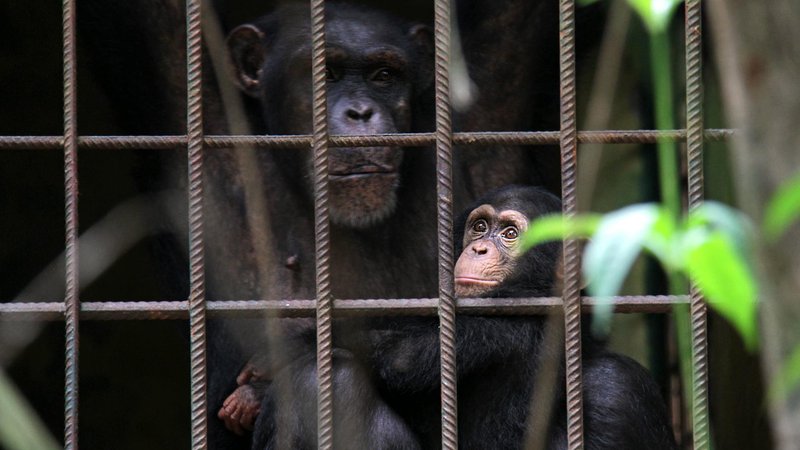
This chimpanzee civil war in Uganda matters more than it seems. It highlights the complexities of animal behavior in the face of environmental stressors and human encroachment. If we fail to understand the root causes of these conflicts, we risk not only the survival of chimpanzees but potentially all species affected by similar dynamics.
The ongoing strife signifies a tipping point for conservation efforts in Uganda and beyond. It reminds us that the survival of a species involves intricate social structures that can collapse under pressure. Without insightful analysis and proactive measures, both wildlife and their habitats face dire consequences.
Breaking It Down
Video: 200 Chimpanzees Embroiled in 'Civil War': Infants Killed, Organs Ripped Off | Vantage on Firstpost
Key Development #1 — The Core Mechanism
The chimpanzee conflict in Uganda is a complex issue that stemmed from a split within a single group. This rupture resulted in two factions fighting fiercely for territory and resources. The violence has left numerous chimpanzees injured or dead, making it one of the most documented cases of violence among primates.
Stage 1 — The proximate cause of this conflict appears to be competition over resources, exacerbated by habitat loss. As forests are cleared for agriculture and urban development, chimpanzees are pushed into smaller territories. This lack of space increases the competition among groups.
Stage 2 — The impact of this conflict extends beyond Uganda. It affects local ecosystems and conservation strategies, as organizations scramble to address the needs of these endangered creatures. The ongoing violence disrupts research efforts, making it difficult to monitor other wildlife in the area.
Stage 3 — A structural shift has emerged in chimpanzee social behavior. The normal hierarchies and alliances that assist in peaceful cohabitation are breaking down. This shift suggests that the long-term survival of chimpanzees in Uganda is now at risk, potentially leading to further fragmentation of groups.
Key Development #2 — A Real-World Case Study
To grasp the severity of this conflict, look at the Kibale National Park in Uganda, a biodiversity hotspot. Researchers have documented violent encounters between the two chimp factions over the past year. These confrontations have resulted in several deaths and many injuries among the chimpanzee population.
In one documented instance, a group of 15 chimpanzees attacked another group of 12, resulting in severe injuries for several individuals. The violence was so extreme that it drew attention from wildlife authorities, prompting a response to stabilize the situation. Yet, this intervention illustrates the broader challenges faced in conservation efforts amid escalating wildlife conflict.
Consequently, the local economy, heavily reliant on tourism, suffers. Visitors are attracted to see these unique creatures, and ongoing violence undermines that. This impact highlights the intertwining of wildlife preservation and economic stability in the region.
Key Development #3 — Historical Parallel
This kind of conflict is not unprecedented. The study of chimpanzee behavior has shown that violent encounters over territory have been documented in other regions as well. For instance, research in the Gombe Stream National Park in Tanzania revealed similar patterns of violence between groups in the 1970s.
The historical context adds a layer of urgency to the current situation in Uganda. As conservationists work to mitigate these conflicts, they must also consider the lessons learned from past violence. Understanding the cyclical nature of these issues can yield strategies to prevent future outbreaks.
The American Stakes
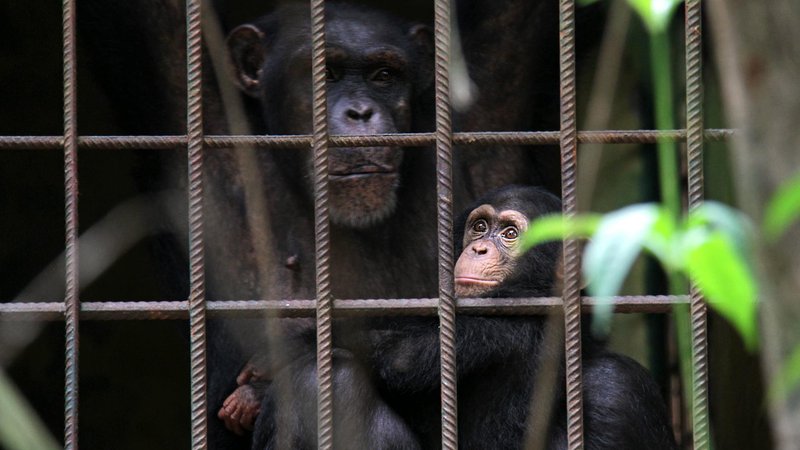
For Americans, this conflict has implications beyond conservation. The chimpanzee populations serve as indicators of broader ecological health. As environmental conditions worsen due to climate change, conflicts like this could become more common, impacting biodiversity not only in Africa but globally.
The economic ramifications are significant as well. American tourists contribute millions to conservation efforts and tourism in Uganda. A decline in chimpanzee populations could deter tourism, affecting jobs and local economies tied to the industry.
Furthermore, there are political implications at play. U.S. conservation policies and funding for international wildlife protection could shift based on the success or failure of efforts in regions like Uganda. If these chimpanzee conflicts are not addressed effectively, they could shape future funding priorities and international conservation partnerships.
The Uganda chimpanzee conflict highlights a growing tension between wildlife conservation and human interests, as local communities clash with these endangered primates over resources. The encroachment on their habitats has escalated into violent encounters, raising concerns about animal rights and the ethical implications of wildlife management. As researchers and conservationists grapple with solutions, the impact of this conflict reverberates through global conversations on biodiversity, sustainability, and the delicate balance between human development and preserving our planet’s wildlife heritage.
Your Action Plan
What can you do with this information? First, stay informed about conservation efforts and their outcomes. Understanding these dynamics helps you make educated choices about supporting organizations focused on wildlife preservation.
Next, consider advocating for policies that protect regions facing habitat destruction. Your voice can influence local and national leaders to prioritize conservation in international relations.
Finally, if you’re looking to travel, consider eco-tourism options that support conservation efforts directly. Your travel dollars can help sustain local economies while promoting wildlife protection.
Numbers That Matter
- 500,000 — estimated number of chimpanzees in Africa before significant declines.
- 12 — chimpanzees involved in a recent violent altercation in Kibale National Park.
- $12 million — revenue generated from chimpanzee tourism in Uganda annually.
- 68% — reduction in chimpanzee populations observed in some regions over the past 30 years.
- 3,000 — estimated number of chimpanzees currently in Kibale National Park.
The 90-Day Outlook
In the next three months, closely watch for updates from conservation organizations working in Uganda. The situation among the chimpanzee factions may worsen if no intervention occurs. Expect potential shifts in funding and international attention based on research outcomes and local developments.
Ultimately, if the conflict continues unchecked, it could lead to a critical decline in chimpanzee populations. That would signal broader issues within global conservation efforts.
Marcus Osei’s Verdict
Here’s the harder truth: could this conflict indicate an even deeper fracturing of chimpanzee communities globally? What implications does this hold for conservation efforts? I see parallels in the tech industry, where internal fractures at companies can lead to public disputes and brand damage, as we witnessed with Uber’s boardroom battles in 2017.
I predict that we may see new research emerging that connects these behavioral changes to environmental stress factors—possibly by mid-2027. This ongoing conflict might become a focal point for understanding the social dynamics of not just chimpanzees, but many animal species as they face similar pressures.
Frequently Asked Questions
What is the Uganda chimpanzee conflict?
The Uganda chimpanzee conflict refers to a troubling phenomenon where chimpanzee groups exhibit violent behavior towards each other, resulting in fatalities. This conflict arises from competition over resources, territory, and social dynamics among different chimpanzee communities in Uganda.
What causes the deadly split among chimpanzees in Uganda?
The deadly split among chimpanzees in Uganda is attributed to factors such as habitat loss, increased human encroachment, and competition for food. These pressures lead to heightened aggression and territorial disputes, causing previously cohesive groups to fracture.
How do scientists study the chimpanzee conflict in Uganda?
Scientists study the chimpanzee conflict in Uganda by observing behavior in the wild, using camera traps, and conducting genetic analysis. They aim to understand the underlying social structures and environmental pressures that contribute to the conflict among these primates.