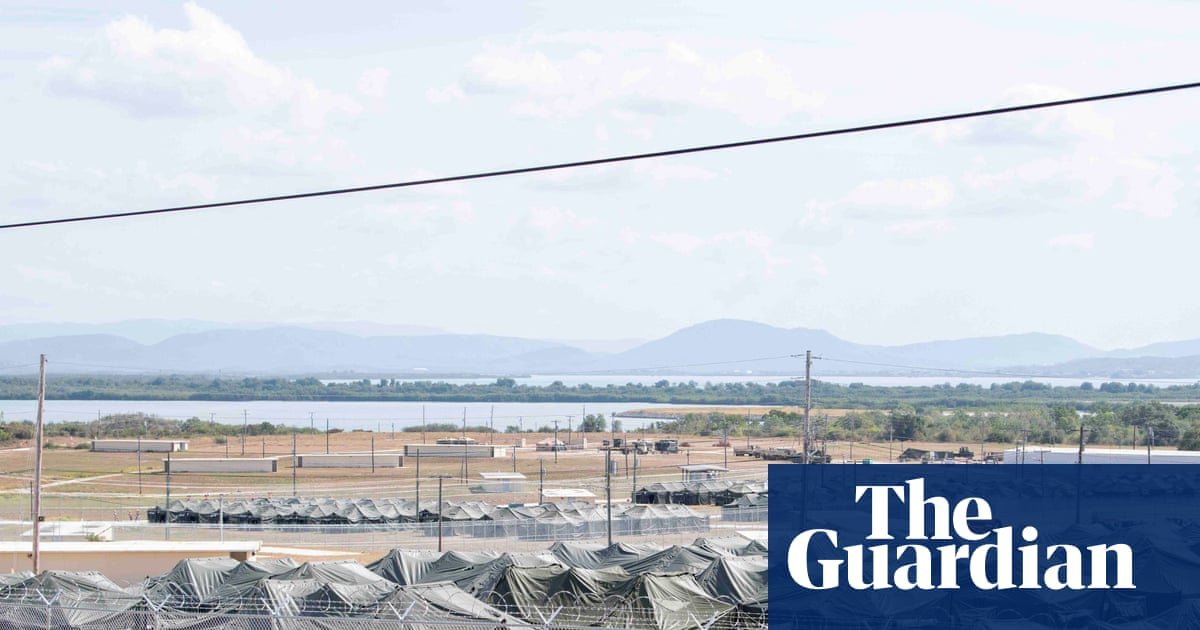
This week, the U.S. government is considering turning Guantánamo Bay into a camp for Cuban migrants. This move raises urgent questions about U.S. politics and humanitarian responsibility. As the crisis in Cuba deepens, your voice and vote could shape the future of migration policy.
85 human rights organizations are alarmed by the U.S. government’s plan to establish a migrant camp at Guantánamo Bay for Cubans fleeing a humanitarian crisis. This proposal comes after increasing unrest in Cuba, driven largely by U.S. sanctions and internal political repression. The question now is: what does this mean for U.S. politics and the future of immigration policy?
What’s Actually Happening
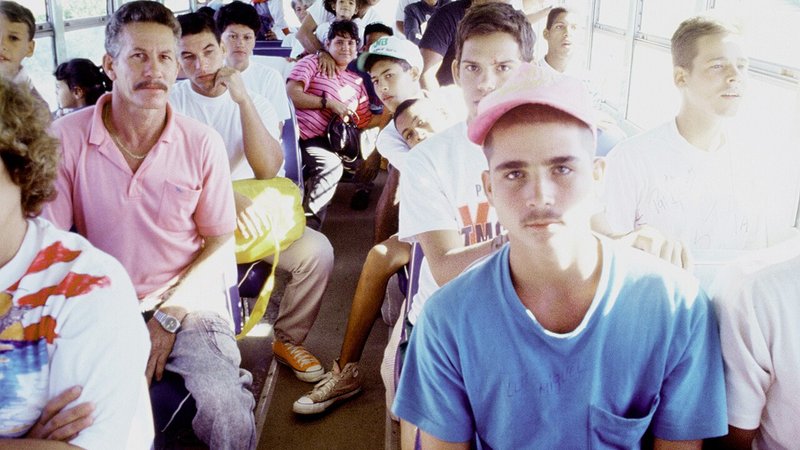
In early April 2026, a top Department of Defense commander announced plans to set up a facility at Guantánamo Bay to detain Cubans fleeing their country. This news sparked immediate outrage from numerous human rights groups, which sent a letter to Congress expressing their “profound concern” over the potential reintroduction of migrant detention at the base according to The Guardian. The groups describe the prospect as “deeply troubling and unacceptable,” highlighting the ongoing human rights issues tied to U.S. immigration policy.
The timing of this announcement is crucial. Cuba has been facing significant economic turmoil, prompting many to seek refuge elsewhere. Since 2021, Cubans have attempted to migrate in increasing numbers, contributing to a broader migration crisis that the Biden administration has struggled to manage. In 2025 alone, an estimated 250,000 Cubans attempted to reach the U.S., marking a significant increase from previous years.
The Bigger Picture
Video: Hundreds of Migrants Are Turning Up in the Florida Keys
Escalating Political Tensions with Cuba
This situation is more than just a humanitarian crisis; it’s a complex intersection of U.S. foreign policy and domestic politics. Understanding this requires examining three critical stages: the immediate effects, the ripple effects, and the long-term implications.
Stage 1: The immediate response to this proposed migrant camp is a surge in political backlash against the Trump administration. Many see this as a continuation of harsh immigration policies that ignore the humanitarian needs of migrants, especially those fleeing oppressive regimes. You can expect increased protests and lobbying efforts from human rights organizations and advocacy groups as they push back against this move.
Stage 2: The secondary ripple effects will likely involve increased scrutiny of U.S.-Cuba relations. Critics argue that such a migrant detention camp could reignite tensions and undermine diplomatic efforts aimed at normalizing relations between the two countries. The Biden administration may face pressure to either support or oppose this facility, complicating its foreign policy agenda.
Stage 3: Long-term structural consequences could reshape U.S. immigration policy entirely. If this camp becomes a reality, it could set a precedent for how the U.S. deals with migrants from other countries facing humanitarian crises. We could see an expansion of detention facilities at military bases, which raises ethical questions about the treatment of migrants and the wider implications for human rights.
Case Study: The Mariel Boatlift
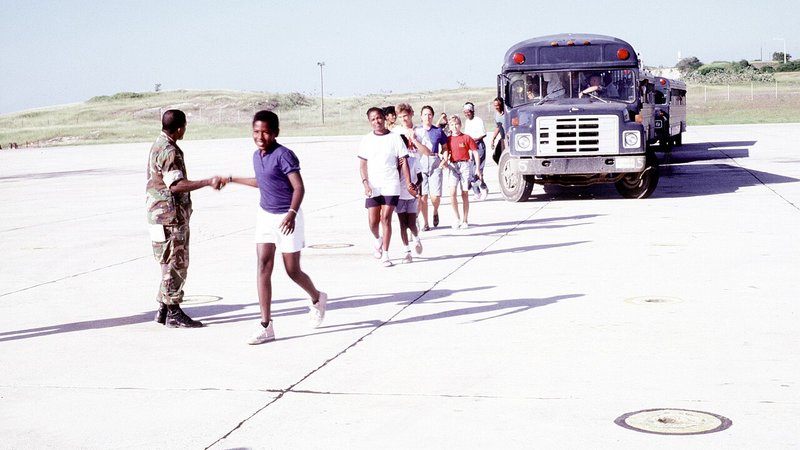
A historical parallel can be drawn to the Mariel Boatlift in 1980. During that event, roughly 125,000 Cubans fled to the U.S., leading to significant political upheaval and debates over immigration policy. The influx put immense pressure on U.S. resources and created a public outcry over how the government managed these migrants. After some initial chaos, the U.S. eventually settled many of these refugees, leading to a significant Cuban-American community in South Florida.
Fast forward to 2026, the proposed Guantánamo facility could lead to similar sociopolitical consequences. With the Cuban-American population now influential in Florida politics, how the U.S. responds to this new wave of Cuban migrants could have far-reaching implications for upcoming elections. The outcome of these decisions will echo in local and national politics for years to come.
What This Means for America
This Guantánamo proposal isn’t just a foreign policy issue; it directly impacts American workers, consumers, and voters. First, let’s consider the labor market. Many migrants contribute significantly to sectors that rely heavily on low-wage workers, such as agriculture and hospitality. Restricting migration could lead to labor shortages in these industries, driving up costs for consumers per Bureau of Labor Statistics.
Second, the political landscape is set for dramatic shifts. As the 2026 midterm elections approach, candidates will be forced to take clear stances on immigration. This will likely polarize voters, especially in key battleground states with large immigrant populations, putting pressure on representatives to choose between humanitarian principles and party lines.
Lastly, there are ripple effects for American businesses. A negative image tied to migrant detention at Guantánamo could affect international relations, impacting trade with countries across Latin America. U.S. companies looking to expand or operate in these regions may face increased scrutiny and operational challenges.
What This Means for You
As an American, you should care about this issue because it affects your job, your community, and your wallet. If you work in sectors reliant on immigrant labor, like agriculture or hospitality, be prepared for potential shifts in labor availability. A reduction in the workforce can lead to increased prices and decreased service quality.
Moreover, if you’re concerned about human rights and humanitarian issues, this situation is a litmus test for U.S. values. The government’s actions could either reinforce or undermine your belief in the principles of democracy and liberty. It’s vital to stay informed and voice your opinion, especially as the midterm elections approach.
The Cuban migrant crisis has intensified as thousands flee to escape economic hardship and political repression, seeking refuge in the United States. As Guantánamo Bay shifts from a site of detention to a temporary processing center, the implications of this crisis resonate throughout international relations and domestic policy debates. The influx of Cuban refugees raises urgent questions about immigration reform, humanitarian responsibilities, and the U.S. response to Cuba’s ongoing political turmoil, highlighting a growing urgency for comprehensive solutions to address regional instability.
Key Takeaways
- 85 human rights organizations oppose the U.S. plan for a migrant camp at Guantánamo Bay.
- 2025 saw an estimated 250,000 Cubans attempt to migrate to the U.S.
- The proposed camp could escalate U.S.-Cuba tensions and complicate foreign policy.
- Historical parallels exist with the Mariel Boatlift, suggesting potential political upheaval.
- This situation will likely impact labor markets and consumer costs in the U.S.
- Prepare for significant political discourse as the 2026 midterms approach.
- Stay informed and engaged; your voice matters in shaping U.S. policy.
What Happens Next
In the next 90 days, watch for Congressional hearings and public demonstrations against the proposed migrant camp at Guantánamo Bay. Expect heated debates among lawmakers as they grapple with the implications of this policy. This will be a turning point in shaping U.S. immigration policy and its humanitarian stance. The verdict? The stakes are higher than ever.
Marcus Osei’s Verdict
What nobody is asking is this: How will detaining vulnerable populations at Guantánamo impact the US’s long-term relationships with Latin America? This move doesn’t just affect migrants; it could galvanize anti-American sentiment in the region.
By drawing parallels to Australia’s offshore detention centers for asylum seekers, we see another example of a country attempting to manage migration through harsh measures. These policies faced immense backlash both domestically and internationally. In my view, the US must learn from these missteps rather than repeat them.
The evidence points to a pattern where heavy-handed immigration tactics lead to crisis, not resolution. I predict that by mid-2027, this plan will either be dismantled amid public outcry or become a point of serious contention in the upcoming elections. Depending on the political climate, you could see significant protests or legislative pushback aimed at halting this plan.
Frequently Asked Questions
What is the Cuban migrant crisis and how does it relate to Guantánamo?
The Cuban migrant crisis refers to the surge of Cuban nationals seeking asylum or better living conditions due to political and economic instability in Cuba. Guantánamo, historically a detention center, has recently been repurposed as a processing site for these migrants, reflecting the complex political dynamics surrounding their plight.
What human rights concerns are associated with Guantánamo's role in the Cuban migrant crisis?
Human rights organizations express concern over the treatment of Cuban migrants at Guantánamo, highlighting issues such as inadequate living conditions, lack of legal representation, and potential violations of international asylum laws. These organizations advocate for the migrants' rights and push for more humane treatment.
How are political tensions influencing the situation for Cuban migrants at Guantánamo?
Political tensions between the U.S. and Cuba significantly affect the situation for Cuban migrants at Guantánamo. As relations fluctuate, U.S. policies regarding asylum seekers and border control shift, impacting the migrants' access to refuge and the overall handling of their cases.