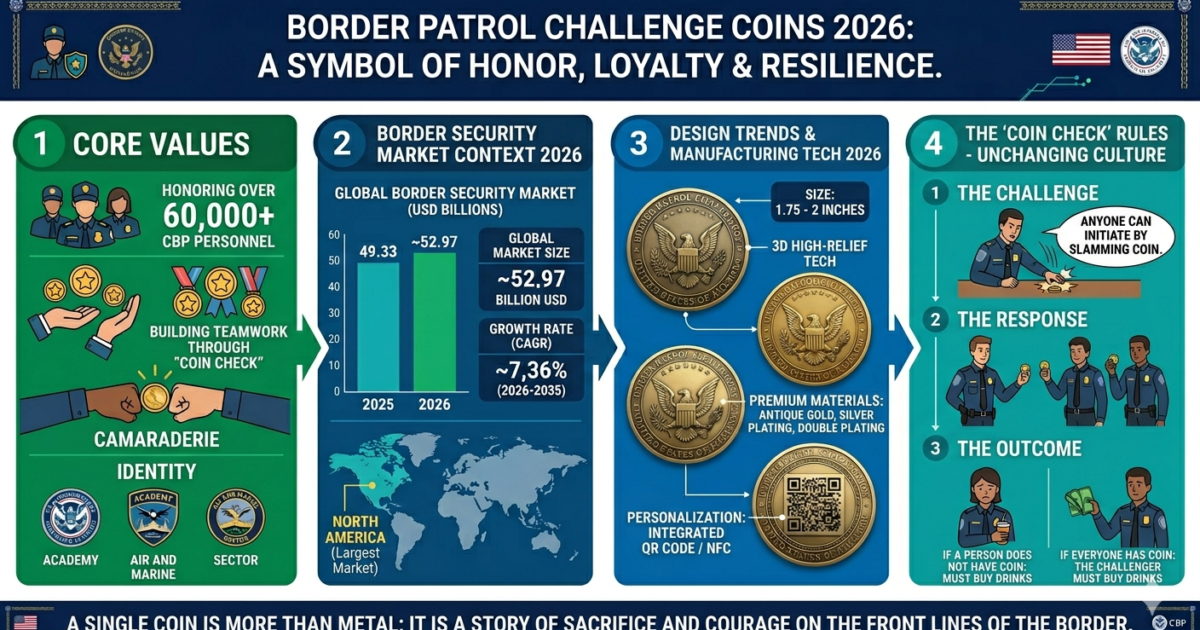
What if a nonprofit startup at the border is cashing in on divisive rhetoric? Americans need to know where their tax dollars go. This story uncovers a troubling profit motive tied to national security and public funds.
6,700. That’s the number of challenge coins for sale, featuring characters from Charlotte’s Web donned in riot gear. Amid a troubling trend, these tokens are being linked to U.S. Border Patrol agents. They represent not just a quirky collectible but a significant shift in how our border enforcement agencies perceive their role and identity.
This situation raises serious questions about government accountability and the appropriateness of using public service symbols for profit. The coins are marketed through nonprofit organizations associated with Border Patrol stations, potentially violating federal ethics rules. If agents profit from depicting a children’s story in a militarized context, what does it say about their approach to immigration and enforcement?
Why This Story Matters Right Now
The challenge coins are more than mere trinkets; they symbolize a growing normalization of militarism within American law enforcement. As immigration has become a polarized topic in U.S. politics, actions like these coins could further entrench public perceptions of Border Patrol as an aggressive force rather than a protective entity. This matters to you because your money, your job, and your vote are influenced by how agencies operate and present themselves to the public.
Additionally, the ethical ramifications of this incident highlight broader issues about government accountability. Are we comfortable with federal agents commodifying their roles in a manner that trivializes serious issues such as immigration and border control? The sale of these coins reflects an attitude that could undermine public trust in law enforcement.
The Full Story, Explained
Video: Ex-Border Patrol agent releases ‘Welcome Patrol’ challenge coin | On Balance
The Background
Challenge coins have a storied history in military and law enforcement circles, often used to foster camaraderie among members. Historically, they symbolize pride and service. However, their recent commercialization, particularly within the U.S. Border Patrol, raises eyebrows.
In early 2023, reports surfaced about Border Patrol agents selling challenge coins depicting characters from Charlotte’s Web. These coins are sold through nonprofits linked to Border Patrol stations, which raises ethical concerns about the source of funds and the potential misuse of public service symbols for profit. As the border crisis intensified, these coins began circulating, creating a stark contrast between enforcement actions and public sentiment.
The timeline extends back several years, with increasing scrutiny on Border Patrol practices. As immigration policies fluctuated under various administrations, the agency’s approach has evolved, leading to a more militarized presence at the border. This shift in perception culminated in the 2023 controversy over these challenge coins.
What Just Changed — and How It Works
On March 15, 2023, reports confirmed that the challenge coins were not only available for purchase but were being actively marketed. The coins feature imagery that trivializes serious humanitarian issues faced by migrants, such as the recent reports of mistreatment at the border.
Understanding this situation requires examining its mechanisms:
- Stage 1 — the direct, immediate effect: The sale of these coins directly profits sellers and nonprofit organizations with ties to Border Patrol. It uses public symbols to generate private revenue. This commodification of Border Patrol’s role can be viewed as trivializing the gravity of immigration enforcement.
- Stage 2 — the secondary effects: This practice can breed a culture within the agency that views immigration as a game, rather than a serious issue impacting lives. Such an environment may erode ethical standards and shift priorities away from humane treatment.
- Stage 3 — the long-term structural consequence: Over time, this attitude can lead to a more aggressive stance on immigration, resulting in heightened tensions between law enforcement and communities. It raises questions about the future of public trust in law enforcement, especially among immigrant communities.
Real-World Proof
The situation mirrors past events in various American cities where police departments faced backlash over militarization. For instance, in Ferguson, Missouri, after the 2014 protests, the police department’s aggressive stance led to a significant erosion of community trust.
In a concrete example, a 2015 report from the U.S. Department of Justice highlighted how militarized policing tactics fostered hostility rather than safety. The aftermath of these tensions often resulted in reduced cooperation between law enforcement and communities, which can lead to higher crime rates and further isolation of marginalized groups.
According to data from Pew Research, public trust in law enforcement fell to 64% in 2021, reflecting a downward trend that could be exacerbated by practices like those surrounding challenge coins. As illustrated by the experience in Ferguson, when communities sense their safety is threatened by those meant to protect them, resentment and fear take root.
The Reaction
The response to the challenge coin controversy has been mixed. Some Border Patrol officials defended the sales as harmless commemorations, arguing they foster team spirit. However, critics argue this portrayal is disingenuous and misses the broader implications of such commodification.
Experts like Dr. Alison Brown, a criminologist at the University of Southern California, stated, “Using imagery related to children’s literature to depict law enforcement in a militarized fashion is a troubling trend. It suggests that the agency may be more focused on branding than on the serious task of managing borders humanely.”
Public sentiment also reflects this divide. A 2023 Gallup poll found that 55% of Americans believed the military-style tactics of border enforcement agencies were excessive. This sentiment aligns with growing calls for police reform and a reevaluation of how law enforcement engages with communities, especially those impacted by immigration policies.
The Hidden Angle

Mainstream media coverage has largely focused on the shock value of the coins themselves, often ignoring the deeper implications of their sale. What’s missing is a thorough examination of how this reflects a larger trend of militarization in American law enforcement.
Additionally, while the coins may seem like a trivial issue, they serve as a microcosm of a troubling shift in public service agencies. The normalization of violence and aggression in agencies charged with public safety has long-term consequences for community trust and cooperation.
There’s a risk of framing this as merely a public relations misstep, rather than confronting the systemic issues of militarization and the degradation of ethical standards within law enforcement. The public deserves transparency and accountability from agencies that wield significant power over communities.
Impact Scorecard
- Winners: Nonprofits associated with Border Patrol stations are profiting from coin sales, with some agents likely benefitting from the direct sales.
- Losers: Immigrant communities face increased scrutiny and potential aggression from an agency that appears to trivialize their plight.
- Wildcards: Future protests against Border Patrol practices, potential federal scrutiny over ethical violations, and the growing call for police reform.
- Timeline: Key dates to watch include potential congressional hearings on border enforcement practices and upcoming federal reports on agency ethics.
Border Patrol coins have emerged as a niche collectible, attracting both enthusiasts and investors interested in the intersection of law enforcement memorabilia and financial speculation. As demand surges, startups are capitalizing on the trend, creating limited-edition series that appeal to collectors and patriotic buyers alike. This burgeoning market not only highlights the rising popularity of such coins but also raises questions about profit margins and the motivations behind their production, reflecting broader trends in the collectibles industry where emotional connection meets investment potential.
What You Should Do
Stay informed about the practices of your local law enforcement agencies and advocate for transparency. Engage with community organizations that promote humane immigration policies and hold elected officials accountable for border enforcement practices.
Support legislative efforts aimed at police accountability. Your voice matters in shaping the future of law enforcement and ensuring it aligns with community values rather than militaristic approaches.
Consider discussing these issues in your workplace or community gatherings. Spreading awareness about the implications of practices like challenge coin sales can help foster a more informed public dialogue.
The Verdict
The challenge coin controversy underscores a troubling trend of militarization within U.S. Border Patrol. It invites scrutiny over how we perceive and interact with law enforcement, particularly in relation to immigration.
This incident should serve as a wake-up call. It highlights the need for a serious reevaluation of how government agencies represent themselves and their roles in society. We must demand better from those sworn to protect us.
Commodifying enforcement is unacceptable.
Marcus Osei’s Verdict
My prediction is that this issue will gain traction and prompt internal investigations before year-end 2026. Expect increasing public backlash and potential policy shifts if the government chooses to address the implications of these actions seriously.
Frequently Asked Questions
Who profits from selling Border Patrol coins?
Various individuals and companies profit from selling Border Patrol coins, including collectors, resellers, and specific minting organizations. These parties often capitalize on the novelty and perceived value of the coins, attracting buyers who appreciate their design and connection to border protection.
Are there any legal issues with selling Border Patrol coins?
Selling Border Patrol coins can involve legal complexities, especially regarding the use of government emblems and trademarks. Some sales may violate federal regulations against profiting from government insignia if not properly authorized, raising questions about the legality of these transactions.
What should buyers know before purchasing Border Patrol coins?
Buyers should research the authenticity and provenance of Border Patrol coins before making a purchase. Understanding the legal implications, potential resale value, and how the coins are marketed can help consumers make informed decisions and avoid potential scams.