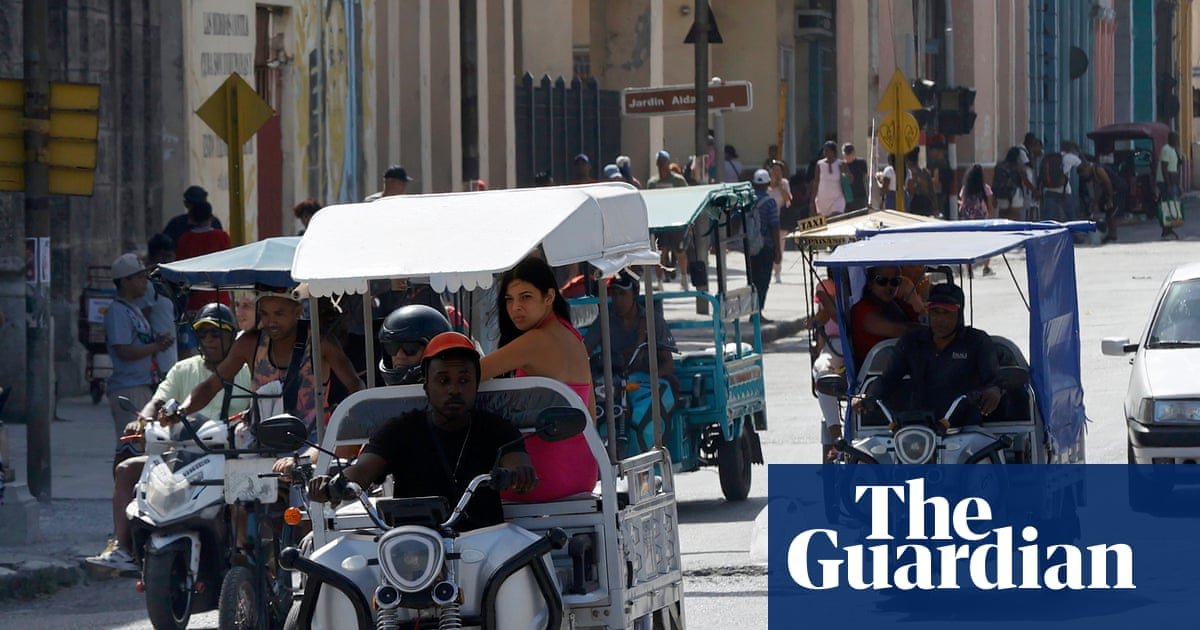
What happens when US policy causes suffering abroad? House Democrats are trending for calling out a blockade that impacts not just Cuba but US credibility too. The stakes are high for your money and global standing.
Why This Story Matters Right Now
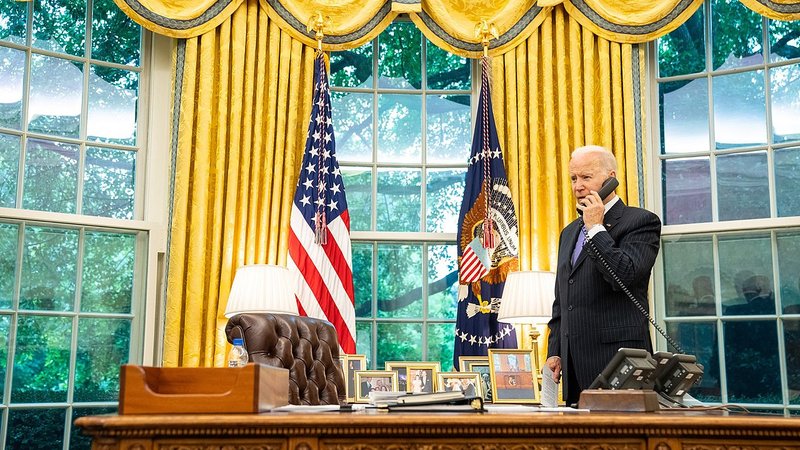
The U.S. energy blockade against Cuba is no longer a distant issue; it’s a prominent topic impacting American politics and international relations. House Democrats are rallying for change, labeling the blockade as “cruel collective punishment.” This demand comes after key lawmakers witnessed firsthand the devastation caused by the blockade during their recent trip to Cuba.
Your political voice matters as these discussions unfold. The actions taken today could redefine U.S.-Cuba relations and affect your job, investments, and even gas prices. Understanding these developments is crucial, as they could lead to shifts in policy that directly impact your financial landscape.
The Full Story, Explained
Video: U.S. allowing Russian oil into Cuba is "uncomfortable," but understandable, congresswoman says
The Background
The U.S. imposed an energy blockade on Cuba in 1960, primarily as a response to the Cuban Revolution. Over the decades, it evolved into a comprehensive economic embargo that restricts not just oil but all trade with the island. In 2022, the Biden administration began to reconsider some restrictions, mainly concerning remittances and travel, but the blockade largely remains intact.
Key players in this narrative include Representative Pramila Jayapal and Representative Jonathan Jackson, who recently visited Cuba. Their five-day trip included meeting with President Miguel Díaz-Canel and other officials. They witnessed the dire consequences of the blockade on Cuba’s infrastructure and economy, leading them to speak out against it.
As the world focuses on energy transitions and climate goals, the U.S. stands out by maintaining such restrictive measures against a neighboring country. This contradiction raises questions about America’s commitment to promoting democracy and human rights in its foreign policy.
What Just Changed
On April 6, 2026, Jayapal and Jackson issued a statement calling for an end to the blockade, describing it as “an economic bombing of the infrastructure of the country.” They emphasized the need for immediate action to alleviate Cuba’s suffering. This statement gained traction, especially within progressive circles of the Democratic Party.
The blockade’s effects are stark. Cuba faces severe shortages in essential goods, leading to a humanitarian crisis. According to a report by the UN, over 60% of the population lives in poverty due to these restrictions. The political landscape in America is shifting as more lawmakers recognize the blockade’s harmful impacts.
This moment comes at a time when U.S. energy policy is under scrutiny. As Americans deal with fluctuating gas prices and energy costs, the call to reassess U.S. foreign policy concerning energy is more urgent than ever.
The Reaction
In response to the lawmakers’ statement, several market analysts and policymakers weighed in. Experts noted that lifting the blockade could open new markets for American businesses, particularly in renewable energy and agricultural exports. An article from Reuters highlighted that U.S. companies could benefit from increased trade opportunities if the blockade ends.
However, critics of the blockade remain skeptical. They argue that Havana’s governance issues must be addressed alongside any policy changes. Experts from think tanks like the Council on Foreign Relations argue that without reforms in Cuba, lifting the blockade may not yield the intended benefits for either party.
This debate is not just confined to political circles; public opinion is also shifting. Polls show that a growing number of Americans support easing restrictions, particularly among younger voters. If this trend continues, it may pressure Congress to reconsider its long-standing stance on Cuba.
The Hidden Angle
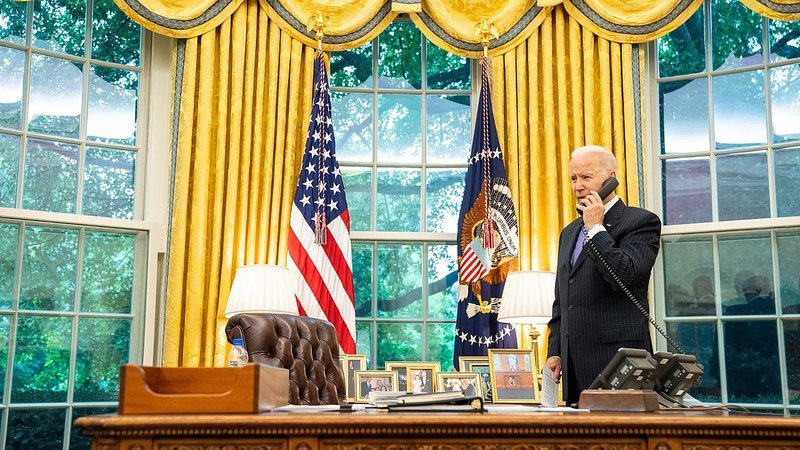
While mainstream coverage focuses on the humanitarian aspects, there is an underlying economic narrative that deserves attention. Ending the blockade could significantly benefit American businesses looking to expand into new markets. The potential for trade in agriculture and renewable energy sectors is ripe, especially as the U.S. seeks to increase its energy independence.
Moreover, the regional dynamics in Latin America are shifting. Countries like Brazil and Mexico are advocating for stronger ties with Cuba, aiming to break the isolation imposed by the U.S. This could lead to a broader regional alliance that marginalizes U.S. influence in the area. The geopolitical implications of maintaining the blockade are far-reaching.
Consider the possibility that lifting the blockade could also facilitate diplomatic relations with other countries that view the U.S. as a bully. By reassessing its approach to Cuba, the U.S. could redefine its image globally, aligning itself more closely with progressive values of cooperation and trade.
Impact Scorecard
- Winners: Pramila Jayapal, Jonathan Jackson, American businesses in agriculture and renewable energy
- Losers: Hardline supporters of the blockade, companies with vested interests in maintaining the status quo
- Wildcards: Shifts in public opinion, Cuban government reforms, upcoming elections in the U.S. and Cuba
- Timeline: Key dates to watch include the U.S. midterm elections in November 2026 and any potential policy announcements from the Biden administration
House Democrats are increasingly vocal about the repercussions of the US energy blockade, arguing that it disproportionately impacts lower-income communities and exacerbates existing inequalities in energy access. As domestic production remains stifled and fossil fuel dependency persists, rising costs and limited availability of renewable resources leave consumers vulnerable. The ongoing debate over energy policy highlights the urgent need for a balanced approach that addresses climate goals while ensuring affordable and equitable energy distribution across the nation.
What You Should Do
Monitor developments regarding U.S.-Cuba relations closely. These discussions could lead to tangible changes in trade policies that affect markets and jobs. You might want to engage with your local representatives and express your views on this issue.
Consider diversifying your investments to include companies poised to benefit from opening trade with Cuba. If the blockade lifts, sectors like agriculture and renewable energy may see significant growth, offering potentially lucrative opportunities.
Stay informed about public sentiment and upcoming legislative actions. Your engagement can influence congressional decisions, especially as midterm elections approach.
The Verdict
The current push to end the blockade reflects an evolving consensus among progressive lawmakers that it’s time for a change. The humanitarian crises in Cuba coupled with potential economic benefits for the U.S. create a compelling case for policy reform. The blockade is increasingly seen as an outdated relic of Cold War politics.
By the end of 2026, I predict there will be significant steps toward easing restrictions on Cuba. If lawmakers continue to pressure for change, we could see tangible reforms that reshape U.S.-Cuba relations and open new avenues for American businesses.
Marcus Osei’s Verdict
My assessment is straightforward: the U.S. energy blockade on Cuba isn’t just about geopolitics—it’s about the human cost. The lawmakers’ call to end what they termed “cruel collective punishment” raises an uncomfortable issue that mainstream media often sidesteps: why are we consistently willing to inflict suffering on innocent civilians for political leverage?
This predicament isn’t isolated to Cuba; look at the recent humanitarian crises in Venezuela, where U.S. sanctions have contributed to widespread suffering without achieving intended political outcomes. Both scenarios highlight a troubling pattern of using economic warfare as a foreign policy tool, leaving ordinary people to bear the brunt.
I predict that pressure will mount on the Biden administration to rethink its Cuba policy. By mid-2027, we could see significant shifts influenced by both humanitarian concerns and changing political tides domestically, as more lawmakers align with the perspective that these blockades do more harm than good.
Frequently Asked Questions
What is the US energy blockade and how does it affect Cuba?
The US energy blockade refers to the restrictions imposed by the United States on trade and energy resources with Cuba. This blockade significantly limits Cuba's access to fuel and energy supplies, impacting its economy, infrastructure, and daily life for its citizens.
What are the main arguments House Democrats present against the energy blockade?
House Democrats, including Pramila Jayapal and Jonathan Jackson, argue that the energy blockade harms the Cuban people by stifling economic growth and limiting access to essential resources. They advocate for lifting the blockade to promote humanitarian support and foster diplomatic relations.
How does the US energy blockade influence US-Cuba relations?
The US energy blockade creates significant tension in US-Cuba relations, as it represents a long-standing policy that Cuba views as hostile. This barrier complicates diplomatic efforts and hinders potential collaborations on various issues, including trade, health, and climate initiatives.