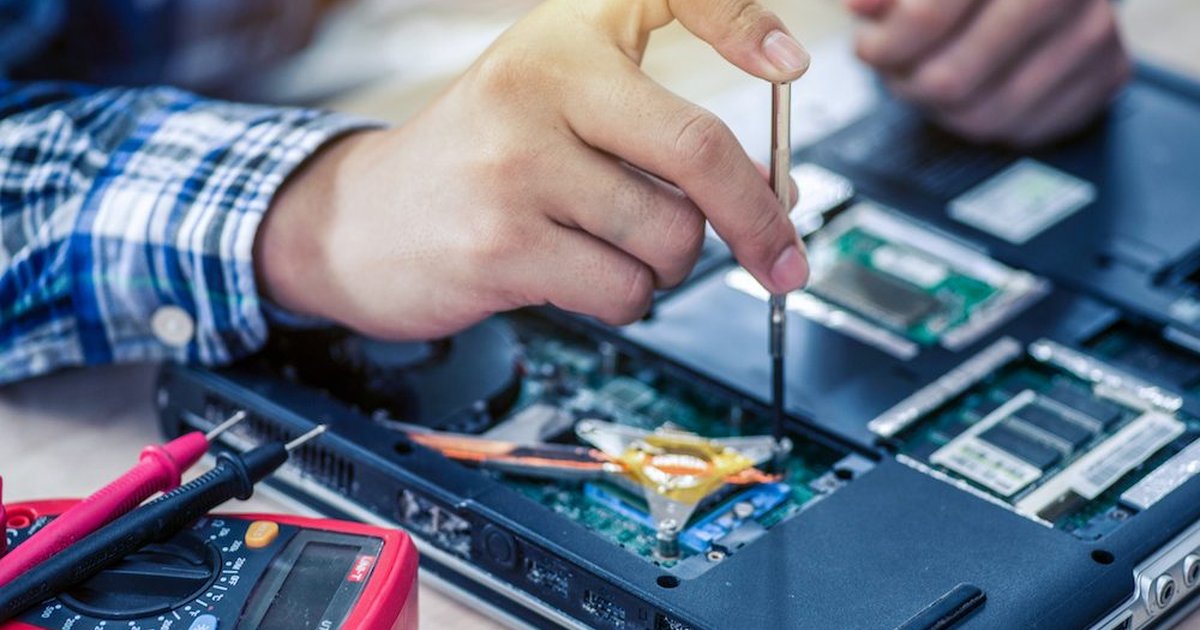
What happens when tech giants push back against your right to repair? Colorado’s new law could reshape tech regulation nationwide. Your ability to fix your devices — and your money — hangs in the balance.
The Bottom Line Up Front

The battle over Colorado’s right-to-repair law isn’t just a local issue; it’s a national signal of how tech regulation will shape consumer rights. In a landscape where tech giants like Apple and Microsoft resist user empowerment, Colorado has made strides to ensure that consumers can repair their own products. This landmark legislation is under threat as powerful corporations lobby for modifications that could weaken these rights.
You should be concerned because this isn’t merely about fixing broken gadgets. It’s about your rights as a consumer, the future of tech regulation, and the scope of corporate power in your life. How this plays out in Colorado could set a precedent for similar initiatives across the United States, impacting your wallet and your choices.
Breaking It Down
Video: Farmers champion "right to repair" laws
Key Development #1: Colorado Takes the Lead
In 2022, Colorado passed significant legislation promoting the right to repair. This law, which empowers consumers to fix their own devices, covered a range of products including agricultural equipment, wheelchairs, and consumer electronics. Advocates like Danny Katz, executive director of CoPIRG, hailed Colorado as a leader in consumer rights. However, tech companies are actively pushing back against these rights, seeking to dilute the provisions that allow consumers to repair their devices without facing legal repercussions.
This battle has significant implications for consumers nationwide. As more states consider similar legislation, the outcome in Colorado could either serve as a model for consumer empowerment or a cautionary tale of corporate overreach. The stakes are high, as almost every American relies on technology for daily tasks, and the ability to repair it could lead to substantial savings and increased sustainability.
Key Development #2: Corporate Pushback Intensifies
Tech giants are not sitting idle. Companies like Apple and Microsoft have been vocal opponents of the right-to-repair movement. They argue that loosening restrictions could compromise product security and safety. For instance, Apple has claimed that unauthorized repairs may lead to safety hazards, echoing similar sentiments from other tech companies.
This corporate resistance is not just limited to public statements. Reports suggest that these companies are lobbying state lawmakers to amend Colorado’s progressive laws. Their goal is to ensure that repairs can only be performed by authorized service providers, effectively maintaining control over the repair market and keeping prices high. This could mean you pay more for repairs or are forced to buy new products sooner than necessary.
Key Development #3: Historical Context and the Wider Implications
The right-to-repair movement is not a new phenomenon. It echoes the early days of automotive repair legislation, which fought against monopolistic practices from car manufacturers. Just as car companies once sought to control who could fix their vehicles, tech companies are attempting to do the same with electronic devices.
This historical parallel highlights the importance of consumer advocacy in the face of corporate interests. As legislation like Colorado’s gains traction, it could inspire a broader push for similar rights in other states. This movement could empower consumers across the nation, allowing them to demand fair prices and access to repair information.
The American Stakes

This struggle over repair rights has immediate repercussions for American jobs and markets. If consumers can repair their own devices without exorbitant fees, it may stimulate local economies. Independent repair shops could thrive, creating jobs in your community and providing a more sustainable alternative to disposable consumer culture.
Politically, this issue is a litmus test for regulatory attitudes towards tech companies. Lawmakers who support consumer rights may find themselves at odds with powerful lobbying efforts from major corporations. This tension will play out in upcoming elections, influencing candidates’ positions and strategies.
In terms of winners and losers, independent repair shops stand to gain significantly from the right-to-repair movement. Consumers would benefit from lower prices and increased choice. Conversely, tech giants would lose some control over pricing and consumer interactions, potentially impacting their profit margins. Your choices as a consumer could dictate the future of this industry.
As the Colorado Right-to-Repair Law gains momentum, tech giants are pushing back, fearing the implications for their profit margins and consumer electronics ecosystems. This landmark legislation aims to empower consumers with the ability to fix their devices, challenging the long-held practices of planned obsolescence and restrictive repair policies. By fostering a more sustainable tech environment, the Colorado initiative could inspire similar regulations nationwide, prompting discussions about product longevity, corporate accountability, and the rights of consumers in an increasingly digital world.
Your Action Plan
So what can you do with this information? Here are concrete steps to consider:
1. **Stay Informed**: Monitor developments in your state regarding the right-to-repair legislation. Your involvement can influence local lawmakers and the trajectory of consumer rights.
2. **Support Local Repair Shops**: Whenever possible, choose local repair options over sending your devices to the manufacturer. This keeps money in your community and supports the right-to-repair movement.
3. **Advocate for Your Rights**: Contact your representatives to express support for right-to-repair legislation. Let them know that consumer choices matter to you.
4. **Educate Yourself and Others**: Share information about the right-to-repair movement with friends and family. Awareness can lead to collective action, amplifying your voice in the political arena.
Numbers That Matter
- 8 states have passed right-to-repair laws, according to the Repair Association.
- 47% of consumers support the right to repair, per a recent survey by PIRG.
- $1.5 billion is the estimated market size for independent repair shops by 2025, per Market Research.
- 75% of Americans feel that repair rights are fundamental to consumer choices, according to Consumer Reports.
- $4.3 billion in repairs could be saved annually if consumers had access to repair information, per NPR analysis.
The 90-Day Outlook
In the next three months, watch for potential shifts in state legislation regarding the right to repair. The outcome of ongoing negotiations could either strengthen consumer rights or embolden corporate interests. One confident prediction is that if Colorado’s law faces significant amendments, expect a backlash from consumer advocacy groups, which could result in intensified lobbying efforts in other states. Your engagement on this issue can play a pivotal role in shaping the future of tech regulation in America.
Marcus Osei’s Verdict
What nobody is asking is how far corporations will go to protect their profits at your expense. Tech giants are not shy about pushing back against regulations that threaten their bottom line. This situation parallels the automotive industry’s historic pushback against safety regulations in the early 2000s, where companies prioritized profits over user safety.
Internationally, this mirrors the EU’s proactive stance on digital rights and repairability. The EU has enacted regulations mandating longer-lasting products and improved repair options, contrasting sharply with the U.S.’s corporate-driven narrative. You should consider how this discrepancy in regulations affects your choices and wallet.
Looking ahead, I predict that this battle over your right to repair will escalate. By mid-2027, we will have a clearer picture of whether consumers can reclaim control over their devices or if corporations will clamp down even harder on repair freedoms.
Frequently Asked Questions
What is the Colorado Right-to-Repair Law?
The Colorado Right-to-Repair Law allows consumers and independent repair shops to access the necessary tools, parts, and information to repair electronic devices. This legislation aims to reduce waste and promote sustainability by giving individuals the right to fix their own devices without relying solely on manufacturers.
How are tech companies undermining the Right-to-Repair law in Colorado?
Tech companies often lobby against the Right-to-Repair law by introducing proprietary technologies or restrictive practices. These companies may limit access to repair manuals, software updates, and necessary parts, effectively making repairs more difficult and costly for consumers and independent technicians.
What impact does the Right-to-Repair law have on consumers?
The Right-to-Repair law empowers consumers by providing them with more choices regarding device repairs. It promotes competition by enabling independent repair shops to operate, which can lead to lower repair costs and more options for consumers, ultimately enhancing their control over their devices.