For the first time in two-and-a-half years, Russia made almost no territorial gains in Ukraine. This stagnation could reshape international relations and impact America’s strategic interests. As military dynamics shift, your vote may influence how the U.S. responds to this crisis.
What’s Actually Happening
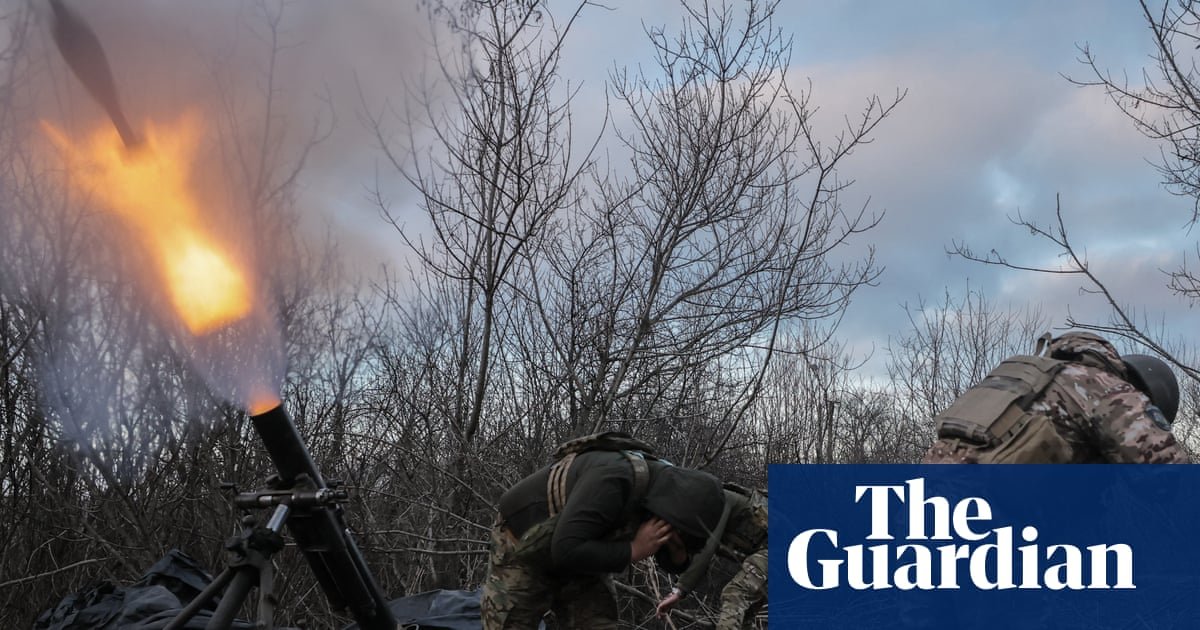
For the first time in two and a half years, the Russian army has recorded almost no territorial gains in Ukraine. In March 2026, they seized only 23 square kilometers, a stark contrast to previous months where they gained hundreds of kilometers. This stagnation highlights a significant shift in the ongoing conflict, underscoring Ukraine’s effective counteroffensives and Russia’s operational challenges, including restrictions on communication technologies like Starlink.[The Guardian]
The Institute for the Study of War (ISW) reported that the Russian military’s advances have slowed since late 2025. Factors contributing to this include Ukrainian local breakthroughs, operational failures, and the Kremlin’s clampdown on communication tools like Telegram. This stagnation not only affects the battlefield but also resonates through international relations and global military strategies.
The Bigger Picture
Video: Where things stand in the Russia-Ukraine war and how peace talks have unfolded
Shifting Dynamics in International Relations
What many reports overlook is the broader context of this military stalemate. The conflict has been a crucial testing ground for NATO’s strategic posture in Eastern Europe. As the Russian advances have slowed, NATO countries are reassessing their military readiness and strategic commitments. This could lead to increased military support for Ukraine, which directly impacts U.S. foreign policy and defense strategies in the region.
Moreover, the international sanctions imposed on Russia have begun to bite. Reports suggest that these sanctions have severely limited Russia’s ability to sustain its military operations, especially since they rely on advanced technologies that are now restricted. The effectiveness of sanctions highlights the interconnectedness of global economies and military capabilities. As Russia struggles for resources, it may provoke more aggressive strategies, raising the stakes for American foreign policy in the region.
Historical Parallels: The Afghan War
History often provides insights into current conflicts. The situation in Ukraine mirrors aspects of the Soviet Union’s war in Afghanistan in the 1980s. Just as Soviet forces became bogged down due to local resistance and international support for the Mujahideen, Russia now faces a similar quagmire in Ukraine. The U.S. and its allies’ military assistance to Ukraine could replicate the support given to Afghan fighters, which played a critical role in the Soviet withdrawal.
This historical parallel emphasizes the importance of international relations as external support can shift the tide in conflicts. As Ukraine successfully defends its territory, the U.S. and NATO may deepen military cooperation, leading to a more entrenched geopolitical landscape.
What This Means for America
The implications of this stagnation extend directly to American consumers, workers, and investors. As the Russian military fails to achieve its objectives, the potential for a protracted conflict increases. This could lead to higher energy prices, especially as Europe seeks alternatives to Russian oil and gas. For Americans, this means paying more at the pump and facing inflationary pressures across various sectors.
Moreover, the conflict’s impact on global supply chains cannot be underestimated. The ongoing hostilities have already disrupted grain exports from Ukraine, a major global supplier. If the conflict drags on, food prices could rise, affecting your grocery bills and overall cost of living.
In terms of defense spending, a prolonged conflict may lead the U.S. government to increase military budgets. This could result in job growth in defense sectors but may also divert funds from essential services like education and healthcare. Understanding these dynamics is crucial as they influence not only national security but also domestic policy decisions that affect your daily life.
What This Means for You
As the situation in Ukraine evolves, it’s essential to consider how it affects you directly. Your job may be impacted by shifts in the economy driven by rising energy prices. If you work in industries reliant on stable energy costs, prepare for potential disruptions or cost increases.
Your investments could also be affected by heightened geopolitical risks. Markets often react to international tensions, and increased volatility may impact your portfolio. Staying informed about developments in Ukraine and global responses can help you make better financial decisions.
Finally, as the U.S. government reassesses its foreign policy, your vote matters more than ever. Support for military funding and international aid will likely be central to upcoming elections. Understanding candidates’ positions on foreign policy can help you make informed choices that align with your values.
The current stagnation in Russia Ukraine relations signals a potential turning point in global diplomacy and security dynamics. As the conflict drags on, the repercussions are felt in international alliances, economic sanctions, and military strategies, reshaping the geopolitical landscape. Countries are reassessing their ties with Moscow, while Ukraine’s resilience has garnered increased support from Western nations, highlighting the shifting balance of power. This evolving situation could redefine existing treaties and alliances, indicating a broader trend of recalibrated foreign policies worldwide.
Key Takeaways
- For the first time in over two years, the Russian army made negligible territorial gains in Ukraine, only 23 sq km in March 2026.
- The slowdown in Russian advances is attributed to effective Ukrainian counteroffensives and communication restrictions from the Kremlin.
- International relations are shifting as NATO reassesses its strategies in Eastern Europe amidst the ongoing conflict.
- The historical parallel between Ukraine and the Soviet-Afghan War highlights the potential for external military support to influence the conflict’s outcome.
- Rising energy prices and inflationary pressures in the U.S. may result from prolonged conflict and disrupted supply chains.
- Job growth in the defense sector could occur due to increased military spending, but this may come at the expense of other essential services.
- Your investments and financial decisions may be impacted by heightened geopolitical risks and market volatility.
- Staying informed about international relations and foreign policy can help you make better financial and electoral decisions.
What Happens Next
In the next 30 to 90 days, monitor how the international community reacts to the ongoing military stalemate. Look for potential increases in military aid to Ukraine from the U.S. and NATO as they seek to bolster Ukraine’s defenses. This support could reshape the conflict and international relations, influencing both regional security and global economic conditions.
By mid-2026, expect more discussions surrounding energy supplies and sanctions against Russia. If the situation continues to deteriorate, American consumers and investors should prepare for potential economic impacts as the West recalibrates its approach to dealing with Russia.
Marcus Osei’s Verdict
What nobody is asking is this: how long can Russia sustain its aggressive posturing without tangible victories? With Ukrainian forces reclaiming territory and the Kremlin resorting to daytime strikes, it seems clear that desperation is setting in. This is reminiscent of the prolonged conflict in Syria, where external support and local knowledge often turned the tide against better-equipped forces.
In my view, Russia’s inability to capture significant territory signals a turning point. I predict that if this trend continues, by mid-2027, we could see a major reevaluation of Western support for Ukraine. The current funding crisis in Ukraine adds another layer of urgency; without legislative action, the country risks losing momentum in its fight. So, keep a close eye on Ukraine’s legislative progress, Russia’s military communication strategies, and the broader international response to these developments.
Frequently Asked Questions
What is the current state of Russia Ukraine relations?
Russia Ukraine relations are characterized by ongoing conflict and stagnation. Military engagements and political tensions have persisted since 2014, particularly following Russia's annexation of Crimea. This situation leads to significant implications for global security and international diplomacy.
How does Russia's stagnation in Ukraine affect international relations?
Russia's stagnation in Ukraine creates a challenging environment for international relations. It prompts NATO and the EU to reassess their security strategies, increases sanctions against Russia, and encourages alliances among countries that oppose Russian aggression.
What are the potential outcomes of Russia's actions in Ukraine?
Potential outcomes of Russia's actions in Ukraine include prolonged conflict, further isolation from the West, and possible shifts in global power dynamics. Additionally, the situation may lead to increased support for Ukraine from Western nations and a reevaluation of energy dependencies.