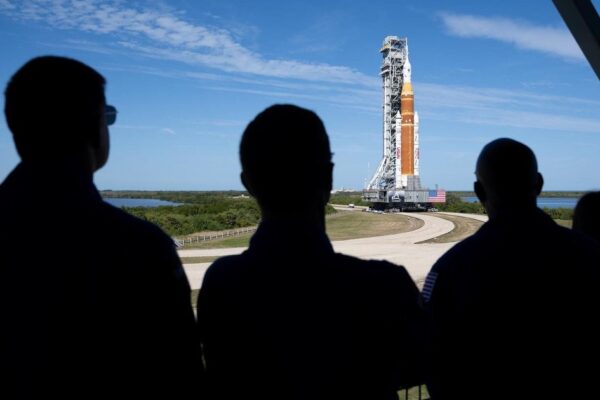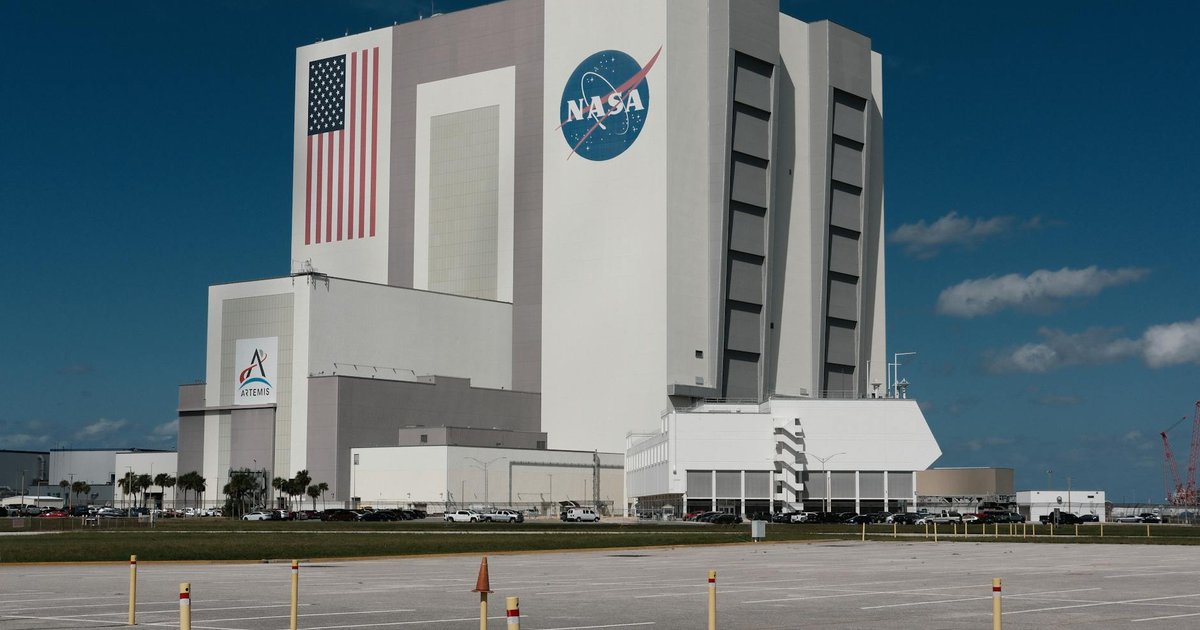
This week, NASA’s Artemis II mission marks a pivotal moment in space exploration. As the U.S. reasserts its leadership in this field, the economic implications ripple across industries. Your job, your investments, and your future could all be influenced by this new era of space discovery.
Why This Story Matters Right Now
NASA’s Artemis II mission, which launched successfully in April 2026, marks a pivotal moment in space exploration and America’s role in it. With astronauts embarking on a journey around the Moon, this mission signifies not just a return to lunar exploration, but a bold step towards Mars and beyond. Your tax dollars, your vote, and your future economy are all intertwined in this monumental effort.
This mission matters right now because it reflects America’s commitment to advancing its leadership in space. The United States faces increasing competition from nations like China and Russia, who are ramping up their space programs. The successful launch of Artemis II could bolster national pride, inspire new generations in STEM fields, and ultimately secure a competitive edge in future technologies.
The Full Story, Explained
Video: Artemis II launch
The Background
The Artemis program has roots dating back to the mid-2010s, when NASA began laying the groundwork for a new era of lunar exploration. The goal was to return humans to the Moon and establish a sustainable presence there by the end of the decade, leading to future missions to Mars. In 2022, Artemis I successfully tested the Space Launch System (SLS) and the Orion spacecraft, paving the way for crewed missions.
Fast forward to April 2026, Artemis II launched with a crew of four astronauts: Reid Wiseman, Victor Glover, Christina Koch, and Jeremy Hansen. This ten-day mission will orbit the Moon, testing essential systems needed for future deep-space exploration. NASA’s Artemis II mission is more than a flight; it’s a crucial test of technologies that could pave the way for humanity to become a multi-planetary species.
Key players in this endeavor include NASA, international partners like the European Space Agency (ESA), and private companies such as SpaceX, which are all working together to enhance space exploration capabilities. The Artemis program embodies a blend of governmental ambition and private sector innovation.
What Just Changed
The launch of Artemis II on April 12, 2026, was a landmark event, showcasing the culmination of years of planning and development. The rocket, designed to be the most powerful ever built, lifted off from Kennedy Space Center in Florida without a hitch, which was a significant improvement over the delays faced during Artemis I’s uncrewed mission.
During this mission, the astronauts will execute a flyby of the Moon, coming within 6,400 kilometers of its surface. This proximity will allow them to test critical systems and gather vital data that will inform future lunar landings and potential Mars missions. NASA expects to gather approximately 15 terabytes of data during the mission, which will be crucial for evaluating the spacecraft’s performance.
Upon their return, the crew will land in the Pacific Ocean, completing the mission successfully. The implications of this mission extend far beyond the immediate goals; they create a framework for human exploration on Mars, planned for the late 2030s.
The Reaction
Markets have reacted positively to the successful launch. Stocks of companies involved in aerospace and technology saw a noticeable uptick following the announcement of Artemis II’s successful liftoff. According to Bloomberg, shares in aerospace firms like Northrop Grumman and Boeing rose by 4% and 3% respectively, highlighting investor confidence in the future of space exploration.
Politically, the launch has garnered bipartisan support in Congress. Lawmakers recognize the strategic importance of maintaining U.S. leadership in space as a means of fostering innovation and economic growth. Senator Ted Cruz, a vocal advocate for the Artemis program, emphasized its role in securing American jobs and technological leadership. He stated, “We are not just going back to the Moon; we are paving the way to Mars.”
Experts in aerospace and defense are also weighing in. NASA Administrator Bill Nelson remarked that Artemis II “is not just about lunar exploration; it’s about the future of humanity in space.” This perspective underscores the mission’s broader implications for international collaboration and technological advancement.
The Hidden Angle
Mainstream coverage of Artemis II often highlights the technical achievements and the crew’s profiles. However, it tends to overlook the socio-economic implications of such missions. The U.S. investment in space exploration could yield significant returns not only in terms of scientific discovery but also in the form of economic growth, tech innovation, and job creation.
Moreover, while the focus is often on the immediate goals of lunar exploration, the mission may also serve as a catalyst for addressing pressing issues on Earth. Technologies developed for space travel often find applications in other sectors, leading to breakthroughs in sustainability, healthcare, and materials science. These connections are not just coincidental; they demonstrate the potential for space exploration to solve terrestrial challenges.
Impact Scorecard
- Winners: NASA, SpaceX, Northrop Grumman, contractors for Artemis II
- Losers: Competitors in the global space race, especially nations lagging in technological advancements
- Wildcards: Potential budget cuts to NASA, geopolitical tensions affecting international collaboration, advancements in rival nations’ space programs
- Timeline: Key dates include the crew’s return expected by April 22, 2026, and announcements regarding the next Artemis missions later in 2026
What You Should Do
As an American citizen, consider how the success of Artemis II might shape your future. Advocate for continued investment in STEM education and support policies that prioritize technological innovation. Your vote influences funding for space exploration and related industries, which could define the job market in the coming decades.
If you’re an investor, keep a close eye on aerospace and technology stocks. The success of Artemis II could lead to a surge in opportunities as private companies increasingly collaborate with NASA. Diversifying your portfolio to include aerospace technology could prove lucrative as demand for innovation grows.
The Verdict
Navigating the complexities of space exploration requires a blend of ambition, investment, and public support. The successful launch of Artemis II is a testament to what can be achieved when these elements align. However, it also presents a clear challenge: to maintain momentum and ensure that the U.S. leads the world in space exploration for years to come.
Looking ahead, I predict that by the end of 2026, we will see a renewed focus on lunar missions and increased international collaboration in space. The outcomes of Artemis II will likely shape not only future lunar explorations but also the technological landscape of the next generation.
Marcus Osei’s Verdict
I predict that if NASA fails to secure robust funding and public interest, we may stall or even reverse gains made in lunar exploration by mid-2027. This isn’t just about sending astronauts to the moon; it’s about inspiring the next generation, fostering innovation, and maintaining our position in a rapidly evolving global landscape.