What if your smartphone is no longer just a gadget, but a status symbol? Apple’s luxury transformation redefines consumer expectations and market dynamics. This smartphone review explores how a simple material shift reshaped an entire industry and your purchasing power.
What’s Actually Happening

Apple’s influence on the smartphone market cannot be overstated. As it celebrates its 50th anniversary in 2026, the tech giant continues to redefine consumer expectations around luxury and technology. Since the launch of the first iPhone in 2007, Apple transformed smartphones from basic communication tools into coveted luxury items, leading to a shift in how consumers perceive value in technology.
The iPhone generated over $200 billion in revenue in 2023 alone, making it a central pillar of Apple’s business strategy. Apple’s move into premium materials, particularly aluminum, set the stage for smartphones to be viewed as stylish, high-end devices rather than mere gadgets. This transformation has paved the way for an ongoing conversation about the merging of technology and luxury.
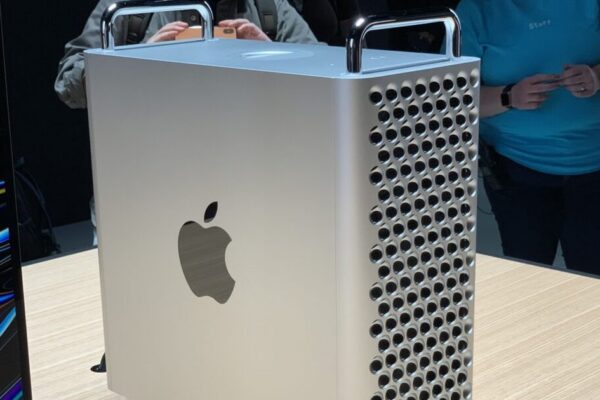
Apple’s decisions under Tim Cook’s leadership have also highlighted a broader trend of technology companies embracing premium branding. In a recent interview with The Wall Street Journal, Cook discussed how the company’s initial use of aluminum in products like the PowerBook G4 back in 2003 changed consumer perception. This shift has had lasting implications for the smartphone market and tech industry.
The Bigger Picture
Video: How Apple Became the King of Luxury Tech
The Intersection of Technology and Luxury
While many reports focus on Apple’s sales performance, they often overlook how the company has redefined luxury in the tech sector. By using premium materials like aluminum and emphasizing design, Apple elevated the smartphone from a functional device to a lifestyle accessory. This shift has had ripple effects throughout the industry, prompting competitors like Samsung and Google to follow suit.
The luxury smartphone market has grown significantly since the introduction of the iPhone. In 2022, luxury smartphones accounted for 17% of the global smartphone market, up from just 5% a decade earlier, according to Counterpoint Research. This trend has led to increased profit margins for manufacturers who can command higher prices.
Lessons from the Past: The Rise of Premium Brands
Apple’s journey mirrors that of other iconic brands, notably in the automobile industry. Consider how luxury car manufacturers like Mercedes-Benz and BMW have marketed their vehicles. They turned basic transportation into status symbols through superior engineering, design, and branding. Apple applied this formula to smartphones, creating a cultural shift that redefined what consumers expect from their devices.
The introduction of the iPhone in 2007 was a watershed moment, similar to how the Ford Model T revolutionized the automotive industry in the early 20th century. Just as the Model T made car ownership accessible, the iPhone made smartphones ubiquitous while simultaneously establishing a premium brand identity. This historical parallel illustrates how Apple has not only shaped consumer technology but also influenced broader market trends.
What This Means for America
The implications of Apple’s strategy extend beyond consumer products. For American workers, this shift towards premium branding has consequences for job markets in tech, manufacturing, and retail. The focus on high-end materials necessitates skilled labor in design and production, potentially leading to job growth in those sectors. However, it may also contribute to job losses in lower-end manufacturing as companies shift focus to premium products.
American investors should pay close attention to how Apple continues to innovate and affect stock markets. As of 2023, Apple was the most valuable company worldwide, with a market capitalization of over $2.8 trillion. Changes in its strategy can significantly influence stock prices, impacting your retirement savings and investment portfolios. When Apple thrives, so does the tech sector, which in turn helps lift the broader economy.
Moreover, the rising popularity of luxury smartphones affects consumer spending. As more Americans invest in high-end devices, this trend reflects a willingness to spend on technology that offers both functionality and status. This consumer behavior can have broader implications for economic growth and inflation, affecting prices across various sectors.
What This Means for You
As a consumer, the evolution of smartphones impacts your purchasing decisions. If you value high-end design and functionality, investing in an Apple product may be worthwhile. However, as competition increases, brands are likely to offer similar features at lower prices, giving you more options.
Keep an eye on upcoming smartphone releases and reviews. Your money is tied to how these trends evolve. For instance, new models from competitors may offer features that challenge Apple’s dominance while remaining at a lower price point. This could change your buying habits and influence your expectations for future devices.
Also, consider the broader implications of your smartphone choices. As luxury branding continues to grow, it might impact job markets, pricing strategies, and even the tech race between companies. Staying informed allows you to make savvy choices that impact not just your wallet but also the industry as a whole.
Key Takeaways
- Apple generated over $200 billion in revenue from iPhone sales in 2023, highlighting its dominance in the market.
- Luxury smartphones now account for 17% of the global market, indicating a shift in consumer expectations.
- Apple’s use of premium materials like aluminum has set new standards in technology design.
- Investing in high-end technology may yield better functionality but also carries higher costs.
- Monitor competitor releases for potential shifts in pricing and technology that could benefit your purchasing choices.
- Understanding these trends can help you anticipate changes in the job market and consumer spending.
- Stay informed on the tech sector’s growth to make educated investment decisions.
- Be aware of how your purchasing decisions contribute to broader economic trends.
What Happens Next
Over the next 12 months, expect increased competition in the smartphone market. Companies like Samsung and Google are likely to release new models that challenge Apple’s pricing and features. This could lead to lower prices for high-quality smartphones and more choices for consumers.
By the end of 2026, keep an eye on how these shifts affect not just your smartphone options but also the tech landscape as a whole. The ongoing evolution in smartphone technology will continue to shape consumer behavior, market dynamics, and possibly even economic outcomes.
Marcus Osei’s Verdict
We also see parallels in the fashion industry, where luxury brands like Gucci have transformed materials like canvas into high-priced fashion statements. Consumers worldwide are embracing the allure of luxury, but that can lead to a backlash against waste and overconsumption.
My prediction is that by mid-2028, we’ll see a significant shift in consumer sentiment towards Apple’s luxury positioning. The question will be whether Apple adapts or faces erosion of its hard-won brand equity.