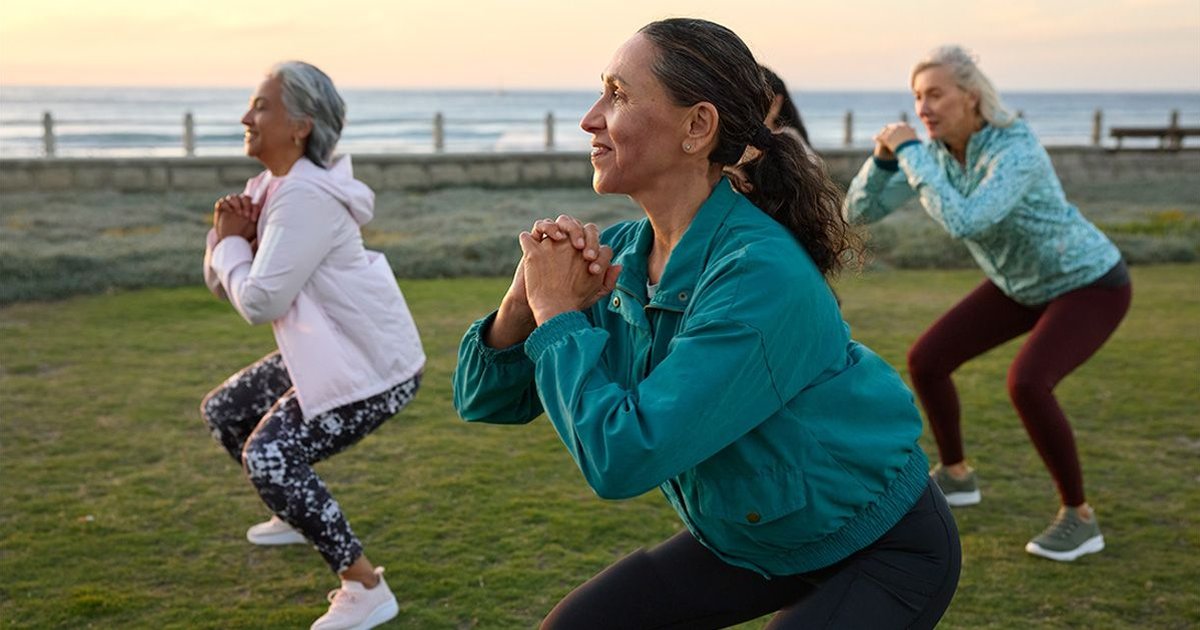
Women who exercise during midlife can cut their early death risk by 50%. New medical research shows that staying active is vital for longevity and overall health. With rising life expectancies, your fitness today impacts your tomorrow.
What’s Actually Happening
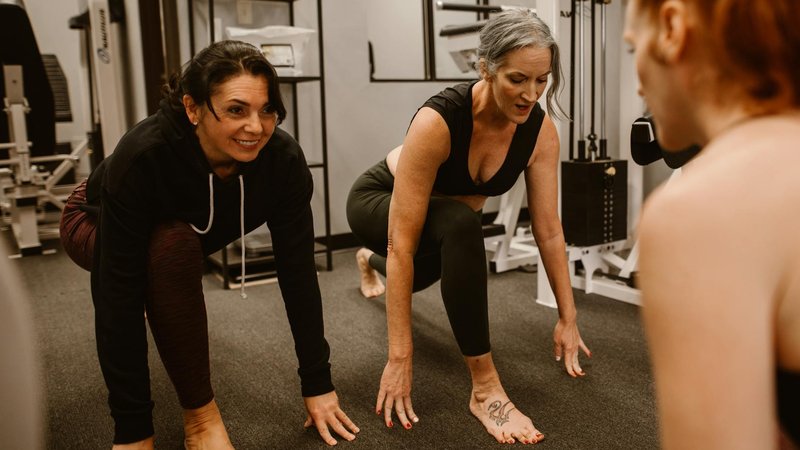
Midlife exercise can cut the risk of early death for women by 50%. This staggering figure comes from a recent study published in PLOS Medicine, which tracked over 11,000 Australian women born between 1946 and 1951. The study highlights how reaching the World Health Organization’s (WHO) recommended 150 minutes of moderate to vigorous exercise weekly is not just beneficial—it’s essential for longevity.
Researchers monitored the participants’ physical activity every three years over 15 years. They found that women who consistently adhered to exercise guidelines had a significantly lower risk of dying prematurely compared to those who fell short. The implications are clear: staying active can meaningfully improve health outcomes as you age.
The Bigger Picture
Video: How I Transformed My Body & Mind After 50 With No Diets & No Gym
Exercise as a Lifesaver
This study sheds light on a crucial aspect often overlooked in discussions about women’s health. The focus has been on diseases, but what about prevention? Regular physical activity is one of the most effective preventive measures available. Women’s health narratives traditionally center on reproductive health or chronic illnesses, sidelining the importance of physical fitness in midlife. This study brings the conversation back to exercise, an easily accessible preventive tool.
Furthermore, this research resonates with findings from the Centers for Disease Control and Prevention (CDC), which emphasizes that only 23% of adults meet these physical activity guidelines. The implications for public health are significant. If more women engaged in regular exercise, we could witness a notable decline in healthcare costs associated with chronic diseases.
A Historical Parallel: The Smoking Epidemic
We’ve seen similar patterns with smoking cessation campaigns. For decades, medical research has shown that smoking is detrimental to health, and public health initiatives successfully reduced smoking rates in the U.S. between the 1960s and 2010s. The same proactive messaging is needed for exercise: emphasizing that physical activity is not just a lifestyle choice but a vital component of health, particularly for women as they age.
In the 1980s, the Surgeon General’s report on smoking helped shift public perception, leading to bans in public places. Similarly, targeted campaigns focusing on the importance of exercise could reshape how we prioritize physical activity in our lives, especially for women facing hormonal changes during midlife.
What This Means for America
The implications of this research extend far beyond individual health. For American consumers, the findings could influence everything from healthcare costs to fitness industry growth. As the population ages, the demand for preventive health measures will increase. Companies that prioritize wellness programs may find a competitive edge as individuals seek out ways to enhance their longevity.
Investors should pay attention too; businesses focused on health technology, fitness apps, and home exercise equipment are likely to see increased demand. As public awareness grows about the importance of midlife exercise, products and services that facilitate physical activity will be at the forefront. This could reshape market dynamics in sectors like health and wellness, as businesses align themselves with the growing trend toward proactive health management.
Moreover, the ripple effects can influence policymakers. A healthier population means reduced healthcare spending, which can free up funds for other initiatives. If lawmakers recognize the cost-effectiveness of promoting physical activity, we could see more support for community fitness programs and infrastructure that promotes active living.
What This Means for You
As an American reader, this study is a wake-up call. Your longevity could hinge on your activity levels during midlife. If you’re among the many who struggle to fit exercise into your busy life, now is the time to make changes. Understanding that just 150 minutes a week can halve your risk of premature death is a strong motivator.
Implementing small, manageable changes can lead to significant health benefits. Whether it’s taking the stairs instead of the elevator or walking the dog a bit longer each day, every minute counts. You don’t need to hit the gym for hours; just find ways to make movement a regular part of your routine.
Additionally, consider the broader impact of your choices. Encouraging friends or family members to join you can create a supportive community committed to health. You can lead by example, helping others understand the importance of staying active and its long-term benefits.
Key Takeaways
- Women who engage in regular exercise cut their risk of early death by 50%, according to a study published in PLOS Medicine.
- The CDC states that only 23% of American adults meet exercise guidelines, highlighting a significant public health challenge.
- Investing in wellness programs could yield long-term savings in healthcare costs for Americans.
- Community health initiatives promoting physical activity could reshape public policy and improve health outcomes.
- Small lifestyle changes, like increasing daily activity, can have substantial health benefits.
- Engaging friends and family in fitness can create a supportive community focused on health.
- Keep track of your activity with fitness apps, which can help motivate you to stay active.
- Prioritize functional fitness to ensure you can perform daily activities as you age.
What Happens Next
In the next 30 days, watch for increased media coverage around women’s health and exercise. As public awareness grows, we can expect more community initiatives focused on encouraging physical activity, especially for middle-aged women. This could take the form of local fitness challenges, subsidized gym memberships, or even corporate wellness programs aimed at keeping employees healthy.
By the end of 2026, we may see a shift in how medical research influences public health policy, with greater emphasis on preventive measures like exercise. Monitoring these developments will be key for anyone interested in health outcomes, whether as a consumer, investor, or voter.
Marcus Osei’s Verdict
My prediction is that by mid-2027, we’ll see a notable shift in how midlife health is discussed in America, with more emphasis on preventative measures through exercise. This could inspire changes in insurance coverage and community health initiatives focused on physical activity.